

 Scroll through any major streaming platform in 2026, and you’ll notice something odd: two channels can air the same title, yet one has five times the views. It’s easy to believe that the game is the magnet, but this theory begins to fail the longer you watch. Personalities, tone, and pacing often carry more weight than what’s happening on screen.
However, it is not a clean split. Game selection is important, sometimes a lot, and the real story lies somewhere in the conflict between the two. That tension is what determines whether audiences stay for five minutes or five hours.
The Personality Pull: Why People Stay
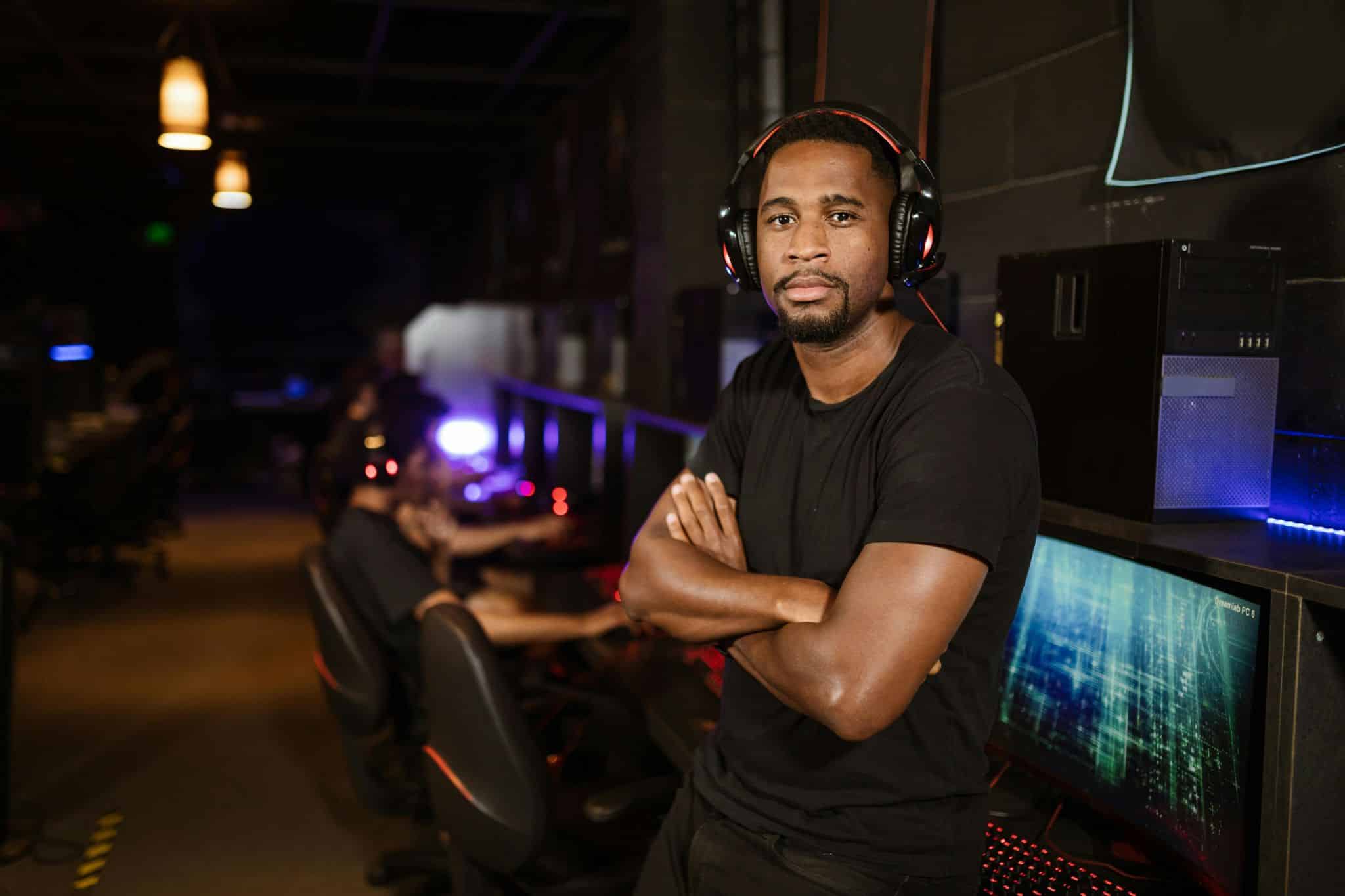
There is a reason why fans remember streamers long after they forget specific matches or playthroughs. Personality impacts the overall experience, which is where loyalty begins. A streamer who reacts in unexpected ways, whether through humor or controlled frustration, creates a rhythm that viewers can predict.
While mechanics and images attract the initial click, it is the human layer that ensures engagement. Viewers now see interpretation, discussion, and, on occasion, turmoil, rather than just gameplay. Although slick production used to be the standard, raw realism has gradually gained control, especially among younger audiences who prefer spontaneity over perfection.
This move reflects broader media trends. Platforms such as Twitch and YouTube Gaming have said that viewing time has become more centered on producers rather than titles, allowing even older or less popular games to reappear when partnered with the appropriate voice. Despite frequent releases, audiences often prefer familiarity when presented by someone they trust.
At the same time, audiences’ evaluations of streamers have become more detailed, particularly as data-driven talks about engagement and viewer behavior continue to grow. As a result, viewers who want to learn more about how streamer identity, habits, and audience patterns intersect can get more info here, where broader context around streaming ecosystems is explored in detail without losing sight of how personality anchors the experience.
However, personality alone isn’t always enough. Even the most interesting streamer may suffer if the game does not provide moments worth reacting to, which is where the balance becomes more delicate.
Game Choice: The First Click Still Matters
Although personality builds retention, game selection often drives discovery. Trending titles, esports events, and newly launched games all drive search traffic, which is why many streamers still plan their schedules around launch dates or competitive seasons.
This is especially noticeable during big esports championships, when viewership surges. A streamer covering a live match or reacting to important moments might ride that wave, combining their personality with the event’s excitement. While the game gives background, the streamer adds meaning, and the two work together to produce something more compelling than each could alone.
There is also a strategic component here. Some developers actively chose less saturated games to stand out, and others focus on high-traffic titles despite the competition. Neither strategy promises success, but both can be effective with proper implementation.
Where Betting Culture And Streaming Quietly Intersect
In some areas of streaming, including those related to sports and esports, there is an additional layer of interaction that combines real-time data and viewer engagement. Discussions about live scores, odds adjustments, and in-game momentum create a dynamic environment in which viewers analyze events alongside the streamer.
That crossover has become more and more obvious as live updating and analysis tools have increased. Viewers who follow fast-moving events often look for context, not just commentary, which is why platforms that provide real-time stats and comparisons have gained popularity. Due to this, streamers that can incorporate these insights into their material tend to stand out, however discreetly.
At the same time, content that blends analytical thinking with entertainment is similar to the approach of podcast-driven communities, where discussions often move between numbers, instinct, and reaction. That overlap is where streaming culture feels most connected to broader sports discussion.
The Hybrid Viewer: What 2026 Audiences Actually Want
Viewer behavior this year is not one-dimensional. People rarely tune in for a single reason, which is why the most effective streams run on multiple levels together. A viewer may come because of a popular game, stay for the streamer’s personality, and return because of the community that builds around both.
Although metrics like concurrent viewers and chat activity still dominate performance analysis, they don’t fully capture why someone chooses one stream over another. Subtle factors—tone of voice, pacing, even how a streamer handles downtime—play a larger role than most analytics dashboards can measure.
There’s also a growing expectation for interactivity. Viewers want to feel involved, whether through chat, polls, or shared reactions to live moments. While this isn’t new, the intensity has increased, especially as audiences become more selective with their time.
Despite all of the data available, predicting what will resonate remains difficult. A streamer can follow every trend and still miss the target, whilst another may find success by leaning into their natural style. That unpredictability is part of what keeps the space interesting, even for seasoned observers.