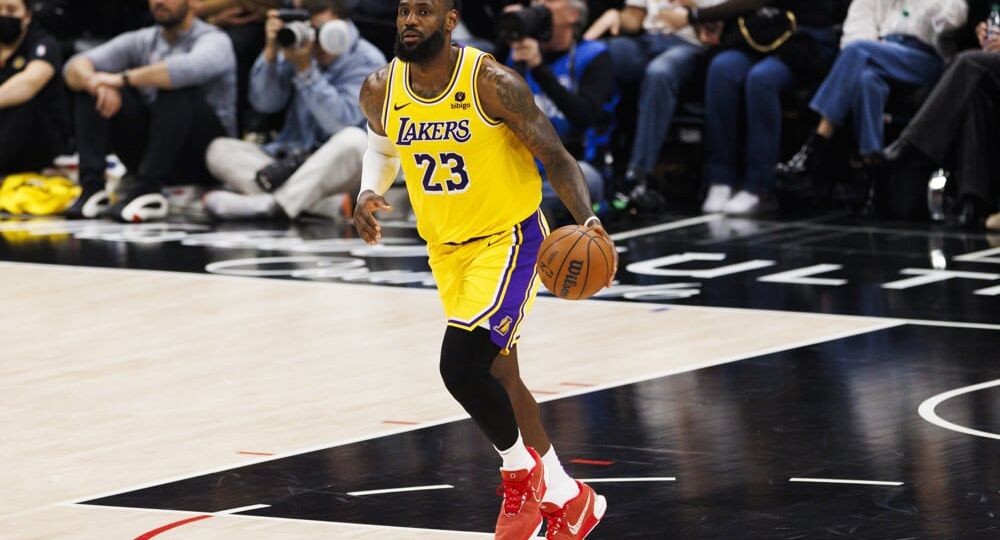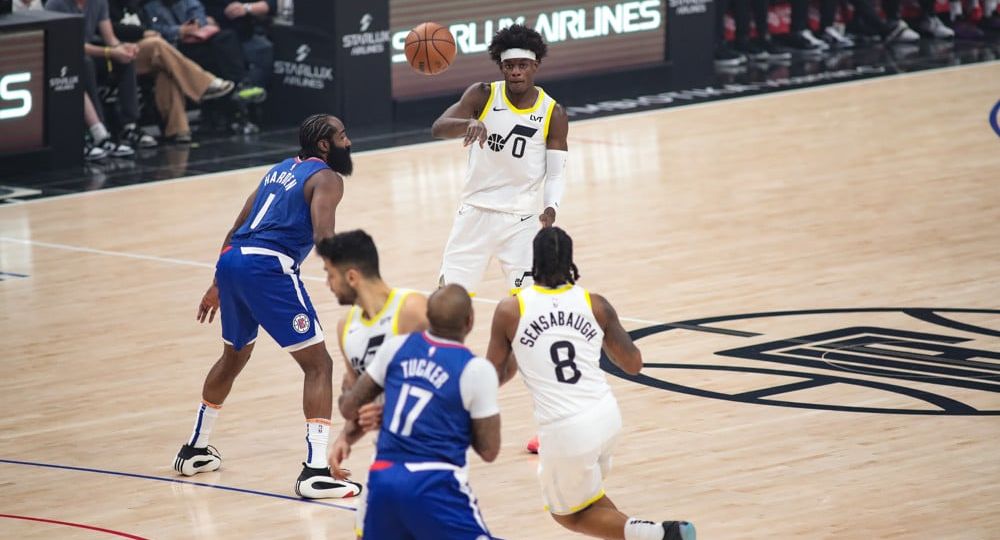


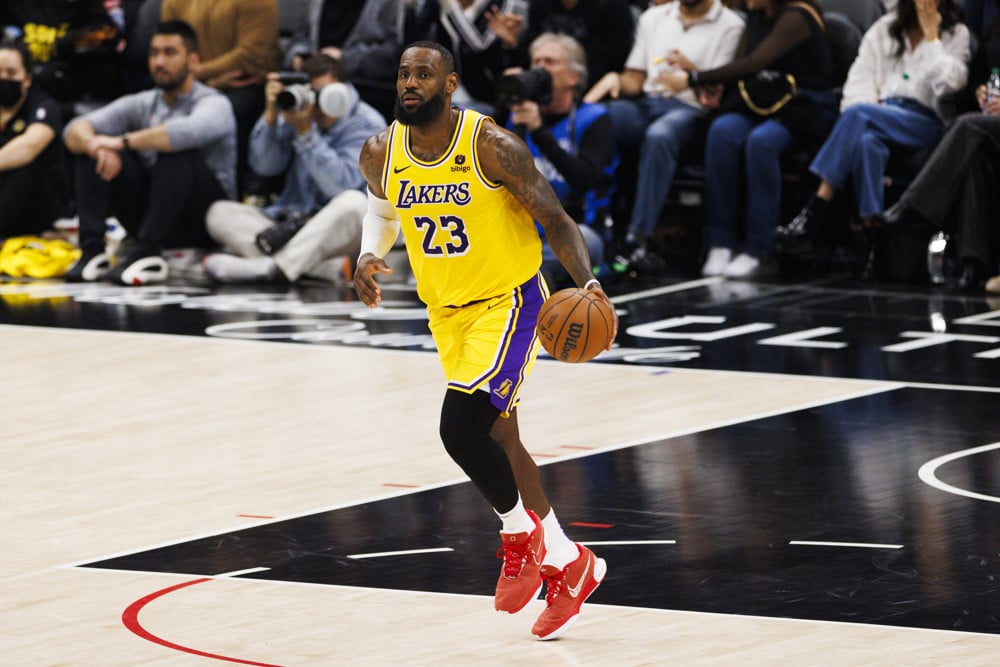
In basketball, the ball is more than equipment. It’s an extension of the player. The way someone dribbles reveals their confidence, composure, and creativity. Strong ball handlers don’t just move the ball up the court. They control tempo, create space, and keep defenders guessing.
Great dribbling starts with control. Before crossovers and spin moves, players need to master basic ball handling. Stationary dribbles might seem simple, but they build the foundation. Repeating strong, controlled dribbles at different heights strengthens the fingers and improves touch. Players learn to keep their eyes up, scanning the court instead of staring at the ball. That awareness becomes critical in real game situations.
Once control improves, movement drills come into play. Cone-based dribbling drills are especially effective. By weaving through cones, players simulate navigating defenders. Each change of direction must be sharp and balanced. The hips stay low, the shoulders relaxed, and the ball protected on the outside of the body. With practice, these movements become automatic.
Changing pace is another key skill. Many defenders rely on rhythm. When an offensive player moves at one steady speed, they become predictable. But when that speed suddenly shifts—slow, then explosive—the defender often reacts too late. Drills that emphasize hesitation and burst teach players how to manipulate tempo. This isn’t just physical training; it’s tactical awareness.
More advanced players often work on two-ball dribbling to improve coordination. Managing two balls at once forces the brain to adapt and strengthens hand independence. While it may feel awkward at first, over time it enhances control and confidence when handling a single ball under pressure.
Modern training increasingly blends physical and cognitive development. In games, players react to defenders, teammates, and spacing in real time. To mirror that unpredictability, some coaches integrate reactive drills into practice. For example, a visual cue might signal when to cross over or change direction. Light-based systems such as BlazePod are sometimes used to add randomness and decision-making elements to dribbling sessions. The focus isn’t on the technology itself, but on improving reaction speed and mental processing while maintaining ball control.
For a structured set of progressions and drill ideas, this detailed resource on dribbling drills basketball explores ways to develop stronger handles at different skill levels.
Partner-based drills also play an important role. In a controlled area, one player dribbles while another applies light defensive pressure. The goal isn’t to steal the ball aggressively but to challenge the ball handler’s control. Learning to stay calm under pressure builds resilience. Over time, that composure carries into competitive games.
Like any skill, dribbling improves through consistency. Short daily sessions often produce better results than occasional long workouts. Ten to twenty focused minutes can be enough to build meaningful progress. The key is intention—each repetition should have purpose.
As players develop stronger handles, the entire game opens up. Driving lanes appear wider. Passing angles become clearer. Shot opportunities feel less forced. Dribbling becomes more than a technical skill; it becomes a source of creative freedom.
In basketball, confidence with the ball changes everything. And that confidence is built one controlled bounce at a time.