


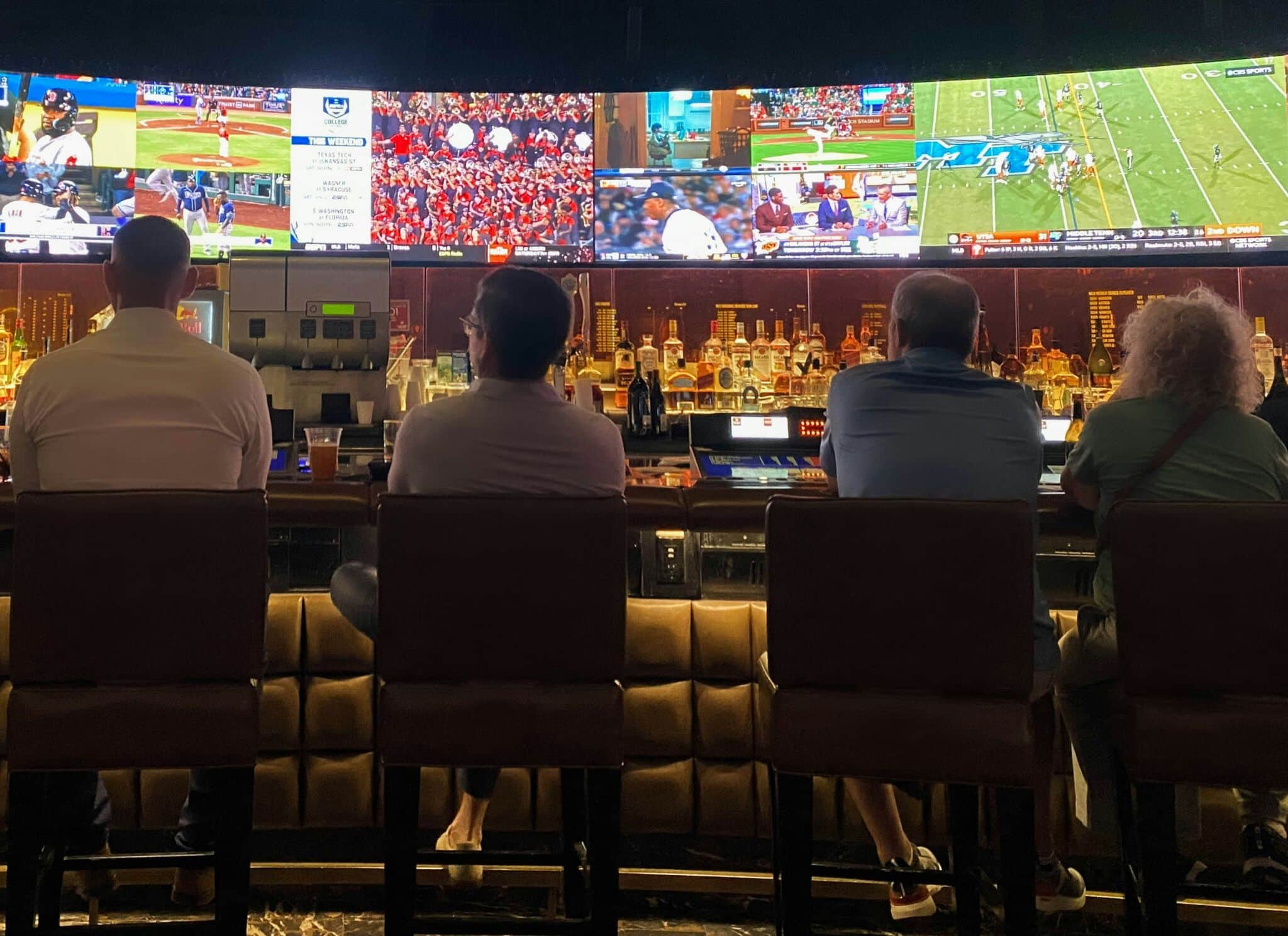
Mobile betting now feels routine across the market. Yet casinos still fund large physical sportsbooks. These spaces need counters, screens, seating, and staff. They also demand rent, technology, and daily management. So why do such costly rooms remain profitable?
The answer reaches beyond wagers placed at counters. Direct betting income forms only one layer. Retail sports betting draws visitors into casino properties. Match days lift footfall during quieter trading periods. Guests then spend more on food and drinks. Some also move from bets to other products. That flow supports wider casino sportsbook revenue. In this model, the sportsbook acts as traffic engine. Its value lies across the whole property. The betting margin matters, but secondary spending matters too.
Retail Betting as Part of the Broader Casino Economy
A casino sportsbook requires a wider financial assessment. Accepted stakes minus payouts show one result. They do not capture the full visitor value. The room may bring new guests indoors. It can also keep existing guests longer. Extra time may lead to more purchases. Bars, restaurants, hotels, tables, and slots can benefit. This sports betting business model tracks total spending. It does not isolate the betting desk.
This wider accounting changes the profitability debate. For more context on the economic structure, see The Gambling Journal on retail betting, which examines value beyond wagers. Land-based sportsbooks may post modest direct margins. Their visitors can still create income elsewhere. Match schedules may lift restaurant and bar sales. Busy screens can also support slower casino periods. Some guests then move towards other paid products. Their full contribution may therefore remain commercially useful.
The Direct Economics of a Casino Sportsbook
We use three terms to assess core income. The first is handle. Handle means every stake accepted by the book. It measures betting volume, not actual earnings. Most accepted money returns through customer payouts. Gross gaming revenue shows the retained amount. It covers stakes received minus winnings paid. However, it is not net profit. Operating costs still require deduction.
Hold percentage provides another useful measure. It shows gross revenue against total handle. A large handle can therefore mislead readers. Heavy betting volume may still produce thin returns. Casinos earn through the margin inside their odds. Traders may also change prices as bets arrive. This helps limit one-sided financial exposure. It does not remove uncertainty from results. It keeps liabilities under closer control.
Costs then shape the final outcome. Staff handle wagers and customer queries. Technology supports prices, payments, and account records. Screens, terminals, and payment units need upkeep. Casinos also fund licences, security, and compliance. The room itself requires cleaning and maintenance. Direct profit therefore depends on volume, pricing, and cost control.
Sportsbooks Turn Games Into Casino Traffic
A betting room can provide steady casino foot traffic. This simply means more people entering the property. Sports give casinos fixed dates for demand. Finals, play-offs, and tournaments draw timed visits. Weekly fixtures create further booking patterns. One guest may arrive for a wager. Another may only watch the match. Both can spend beyond the betting area.
Dinner may come before kick-off. Drinks may follow during play. Late matches can support hotel bookings. Some visitors later use tables, slots, or poker. These linked purchases can carry real commercial weight. The bet may begin the visit, but it does not always define total spending.
Sports calendars also support advance planning. Casinos know many fixture dates months ahead. They can schedule staff around expected demand. Restaurants can prepare for busier trading periods. Hotels can connect packages with major matches. Weekday fixtures may support quieter evenings. Afternoon events can fill slower hours. The betting room therefore supports the wider property.
Why Bettors Still Visit in Person
Smartphones make remote betting quick and private. Still, some customers prefer shared match viewing. They may value company more than speed. Large screens help groups follow key moments. Several broadcasts can run at once. Friends can compare selections before kick-off. They can also discuss changing odds during breaks. Staff remain nearby for practical questions.
This format does not suit every customer. Its role differs from app-based betting. Retail sports betting can form part of shared leisure time. The wager becomes one part of the outing. Casinos can support this demand through seating, food, and drinks. Multiple feeds help guests track numerous events. Match-day programmes can also mark major finals.
The physical room therefore serves a social purpose. It joins betting with food and company. Mobile wagering cannot fully copy that group setting. For some visitors, the shared occasion matters as much as the bet.
Retail and Mobile Betting Work Together
Retail counters and mobile apps need not compete. A casino can connect both customer routes. The physical room may provide first brand contact. Visitors can register or fund accounts there. Staff can explain basic account processes. Customers may then watch a major fixture. Later bets can move through the same app.
The movement can also work in reverse. Mobile offers may prompt property visits. Match-day messages can highlight screenings or dining. Hotel deals may create another reason to attend. This joined model gives operators better behavioural data. They can link betting with restaurant spending. Hotel bookings may show another customer pattern. Loyalty accounts can connect these separate purchases.
We see value in that broader customer picture. It helps casinos plan relevant rewards and communication. The physical room may feed digital activity. Mobile betting may then support later visits. Neither channel must replace the other. Each can strengthen the same commercial relationship.
More Than a Betting Counter
Casinos keep betting rooms for linked reasons. Sport supplies a steady calendar of visits. Those visits may lead to wider purchases. Mobile products can then extend the relationship. Still, sportsbook profitability is never automatic. Large rooms carry heavy property costs. Staff, screens, terminals, and security add more. Local rules can also limit operating choices.
Casino size and location shape demand. Tourist flows may raise seasonal attendance. Local customers may support weekly fixture traffic. Poor transport links can weaken both groups. Operators must also monetize time beyond wagers. Weak restaurant sales can reduce total value. Limited hotel demand can do the same. A quiet gaming floor offers little support. The room works best as a property asset. Betting margin alone may not justify its cost.
The Bottom Line
Physical sportsbooks remain profitable through combined effects. Direct betting revenue still plays a role. Yet the wider property creates greater commercial depth. Major fixtures lift attendance at useful times. Guests may spend on food and drinks. Some book rooms or visit gaming floors. Others later use the operator’s mobile service.
The sportsbook therefore supports several revenue channels. Its value does not rest on hold alone. It is more than a betting counter. It is a commercial centre for sports audiences.