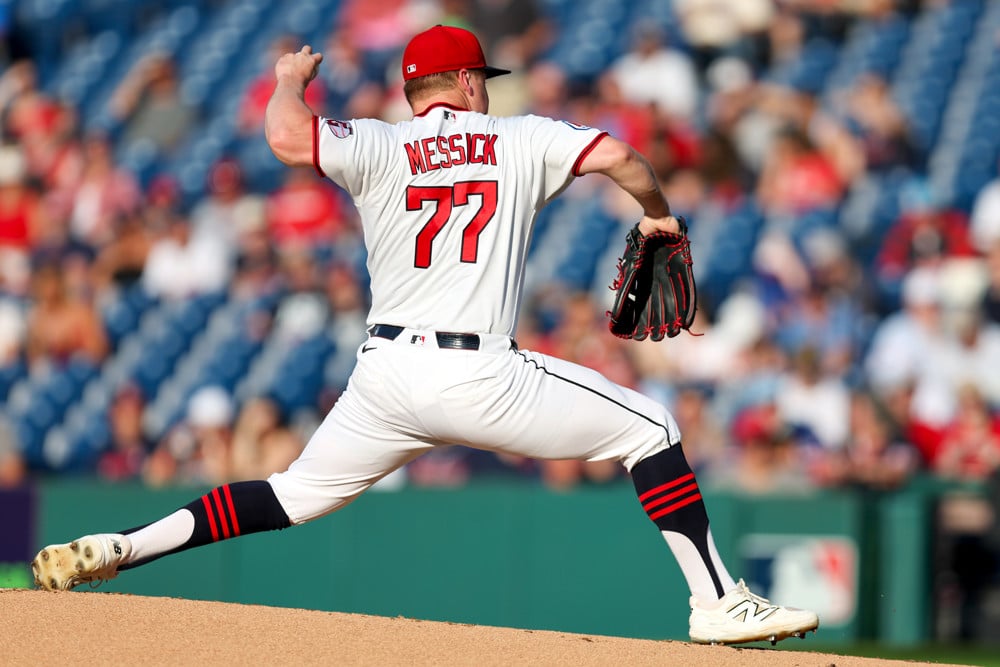


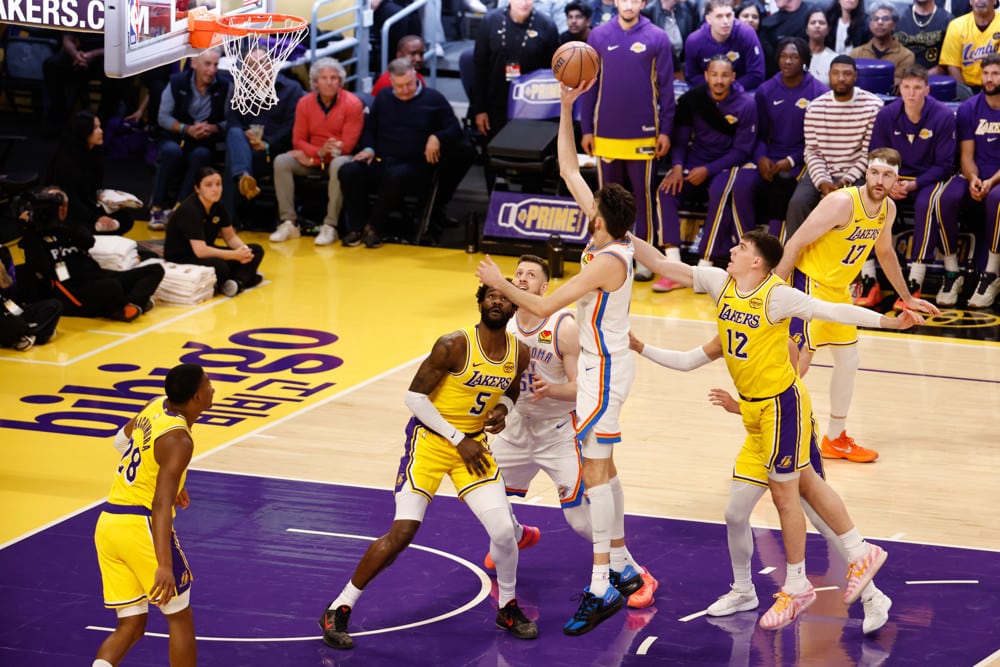
From fantasy lineups to quick mobile games between fixtures, sports fans are staying plugged into competitive entertainment throughout the week rather than only during live events.
Sports fandom does not stop when the final whistle blows. You check injury reports while eating breakfast, scroll through fantasy updates during work breaks and glance at odds movement before the next round of fixtures even begins. Following sports has become a constant cycle of interaction rather than something limited to kickoff and full-time whistles.
That behavior is becoming more visible across American sports culture in 2026. The NFL season may still dominate Sundays, but fan engagement now stretches far beyond kickoff windows.
Even after the Seattle Seahawks won Super Bowl LX earlier this year, conversation around futures odds, fantasy implications, offseason trades and roster depth continued across apps, podcasts and social feeds for weeks afterward.
At the same time, many sports fans are spending those quieter periods between games inside other forms of interactive entertainment, including social casino games built around quick sessions, progression systems and mobile accessibility.
Sports Fans Rarely Fully Disconnect From Competition
Modern sports culture encourages constant engagement.
One game ends and attention immediately turns toward playoff scenarios, fantasy waivers, betting markets or player availability for the next slate. According to IBM’s 2025 sports fan study, 82 percent of surveyed attendees used sports apps during live events, while 91 percent of those app users actively engaged with mobile features during games through statistics, commentary and other interactive tools.
That habit naturally carries into the gaps between matchdays.
Instead of fully disconnecting between NFL weekends or NBA playoff games, many fans now gravitate toward short-form entertainment that still provides unpredictability, progression and a sense of momentum. Social casino games fit neatly into that pattern because they are designed around rapid interaction and repeat engagement.
Research firm Mordor Intelligence valued the global social casino market at more than $8 billion in 2025, with the sector projected to continue growing over the next several years. The category has expanded well beyond traditional slot-style gameplay too. Game-show formats, daily login systems, community competitions and collectible reward mechanics are now common across many platforms.
Fantasy Sports Helped Build The Habit
Fantasy sports arguably prepared fans for this kind of behavior long before social casino games became widely discussed.
You became used to checking lineups throughout the day, monitoring injuries before kickoff and refreshing standings during commercial breaks. The emotional rhythm of sports consumption changed. Following your team was no longer confined to watching the game itself.
Social casino games often tap into that same loop.
Daily rewards, progression systems and leaderboard mechanics create short bursts of interaction during slower parts of the sports week. A few quick sessions between fixtures can feel similar to checking fantasy standings or tracking prop markets before a prime-time matchup.
That crossover becomes especially noticeable during quieter stretches of the calendar. Long baseball road trips, international breaks in soccer or the days between playoff rounds still leave fans looking for some form of interactive competition or entertainment.
Why Free-To-Play Casino Games Are Finding A Sports Audience
Accessibility plays a major role here too.
Many social casino platforms position themselves closer to casual gaming and mobile entertainment than traditional gambling environments. You can open a browser, jump into a game for a few minutes and leave without needing the kind of commitment associated with a full sports broadcast.
An online social casino platform like ACE.com, for example, focuses heavily on free-to-play casino-style gaming using a Gold Coin system rather than direct real-money wagering. The site features slots, Slingo games, game-show formats and daily reward systems designed around short-form entertainment sessions. ACE.com also emphasizes browser-based access without downloads, alongside community features and interactive experiences aimed at American players looking for casual gaming between other forms of entertainment. Its editorial team reviews games based on accessibility, safety and overall player experience, which helps explain why social casino platforms are increasingly appearing within broader conversations around mobile gaming and sports entertainment ecosystems.
That distinction is important.
Many sports fans trying these games are not necessarily searching for a replacement for sports betting. In many cases, they are simply looking for something interactive during the long stretches between live events.
Sports Culture Has Become Constantly Interactive
Sports audiences now consume games differently than they did even a decade ago.
A 2025 YouGov survey found that 70 percent of basketball fans, 68 percent of soccer fans and 63 percent of football fans regularly look up statistics while watching games. Sports consumption has become heavily tied to second-screen habits, mobile interaction and live data.
That environment naturally overlaps with social casino gaming.
You can see it in how fans move between fantasy apps, live scores, podcasts, highlight clips and short-form games throughout the week. The same audiences who enjoy tracking player props or lineup changes often enjoy fast-paced mobile experiences built around rewards, streaks and competition.
As sports culture becomes even more app-driven and mobile-focused, social casino games are likely to remain part of that broader entertainment ecosystem between matchdays.