


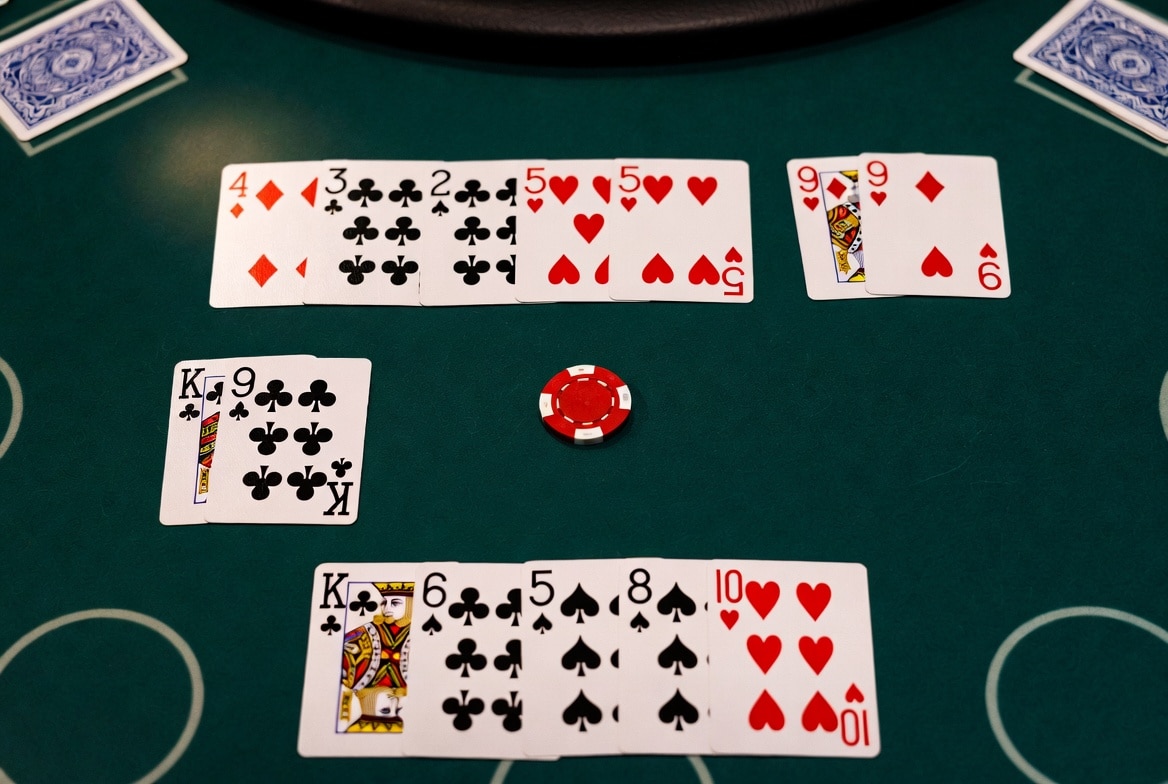
Pai Gow Poker is an extremely unique game that mixes poker excitement with the calm pace of an ancient tile game. It appeals to beginners and veterans alike. You only face the dealer, not other players. This means there’s no bluffing required. The action feels relaxed, yet strategic. Players receive seven cards and split them into two hands. The goal is to beat the dealer on both hands. Many love the social table talk and steady rhythm of this game. It offers lower pressure than fast games like blackjack. With smart choices, the odds stay fair. Here’s a how-to on Pai Gow Poker, including strategy and tips.

Pai Gow Poker: How To Play and Strategy Tips
The Basics Of Pai Gow Poker
Pai Gow Poker uses one standard deck plus a single joker. That totals fifty-three cards. Up to six players join the dealer at the table. Each person places a bet before the cards arrive. The Joker can be wild, to a degree. It becomes an ace most of the time. It can also complete a straight or flush in the five-card hand. In the two-card hand, it always counts as an ace.
Standard poker rankings apply to both hands. Pairs beat high cards. Flushes beat straights. Full houses beat flushes. The five-card hand must always outrank the two-card hand. Otherwise, the entire wager is lost. The dealer follows fixed house rules. These stay posted at every table. Understanding this setup doesn’t take too long and sets the stage for fun play.
How The Cards Are Dealt
The dealer shuffles the deck thoroughly. Then, seven cards go face down to each player and the dealer. A random button determines who receives the first set to keep everything fair. Players look at their seven cards privately. No one sees the others’ hands yet. You arrange them quietly at your spot.
The five-card hand sits in the back position, and the two-card hand goes in front. Once set, players turn both hands face up. The dealer reveals the house hand last. Comparisons happen one hand at a time, which slows the pace of the game. A full round often lasts a few minutes, which gives you time to think. Everyone watches the action unfold together.
Arranging Your Hands
Arranging hands forms the core skill in Pai Gow Poker. Start by sorting your seven cards from highest to lowest and begin looking for what makes sense. Look for pairs, straights, or flushes first. Place your strongest five-card combination in the back. Keep the two-card hand in front.
Remember, the five-card hand must beat the two-card hand. If it does not, the hand fouls and loses automatically. For no pair, put the highest card in back. Send the next two highest to the front. With one pair, keep the bair in the back. Move the next two highest cards to the front.
Two pairs often split. Put the higher pair in the back and place the lower in the front. Stronger pairs usually split while weaker ones stay together with a high kicker up front. Practice a few sample hands at home. It builds quick confidence. You can also ask the dealer for house guidance at any time. Many tables and casinos allow it to keep play fair and simple.
Pai Gow Poker Strategy
Pai Gow Poker strategy centers on balance above all else. Players who win avoid making one monster hand at the cost of the other. This gives both hands a fighting chance.
For example, keep pairs in the five-card hand unless splitting improves overall win odds. Two pairs with jacks or better often split. However, lower pairs stay together with an ace or king kicker up front.
The Joker helps complete draws in the backhand. It should be used there first. You never want to weaken the front hand too much, though. A solid pair in the front beats most dealer high cards.
Watch for three of a kind, as you will almost always keep them in the back. Send the two highest remaining cards forward, and always remember to check that the back hand outranks the front. Small adjustments matter and push more pushes into wins over time.
Beginners improve fast by copying the house at first, and then tweak based on results. Consistent balance lowers the house edge.
Winning, Losing, And Payouts.
Winning both ands pays even money minus a five percent commission in most casinos. This is because, unlike other games, the house doesn’t have much of an edge over you. Losing both hands means the bet is lost. Splitting one win and one loss results in a push. Your money returns untouched.
Optional bonus bets sometimes appear. They pay extra for strong seven-card hands like a four of a kind. However, stick to the main bet first and keep it straightforward. The house edge sits around two and a half percent with solid play. That is player-friendly for a casino table game. Track your wins and pushes, and you will notice a steady flow.
Don’t forget, you can cash out anytime. Many players enjoy long sessions without big swings. The game rewards patience and smart setting.
Final Tips
Start at the lower limit tables to learn life flow. Watch a few hands before you jump in to get a feel for it and see how the house acts. Don’t be afraid to chat with the dealer. Most of them enjoy explaining the game.
Pai Gow Poker rewards calm decisions, so make sure you stay relaxed. Avoid chasing huge hands every round because balance wins more often. Try online versions if you want zero pressure. Many online places will let you practice for free.
The social vibe is the best part of this game, so find a good table in a casino with active and friendly people. Enjoy the game as it offers hours of steady fun with friends, though it can be fun solo as well.