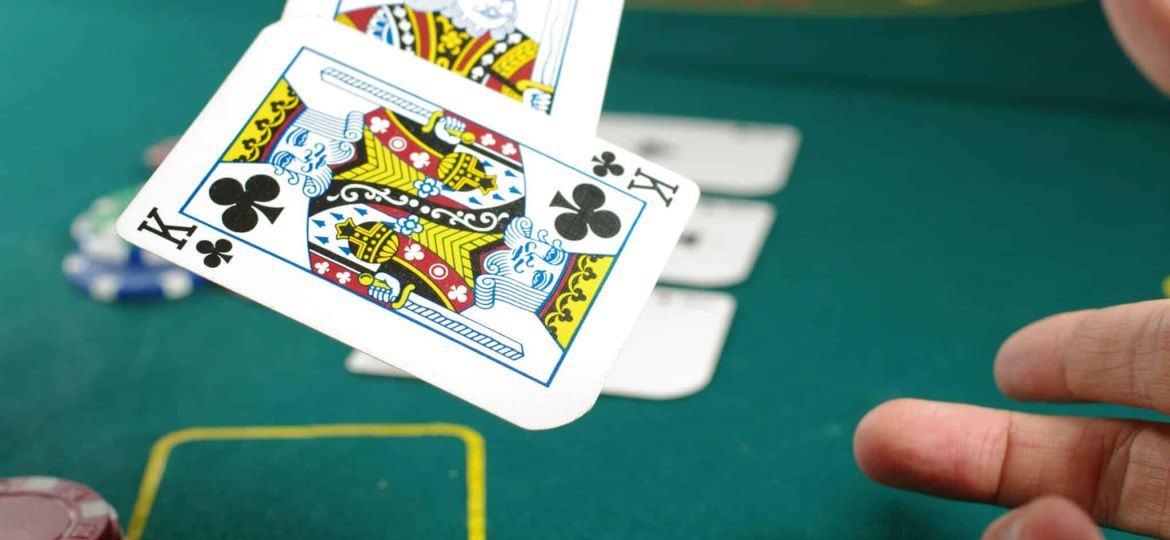


 Think about that six-leg parlay you’re looking to back on Tuesday night, the same logic could easily land you sitting in front of a high volatility slot game come Wednesday. The risky nature of betting isn’t a feature confined to a football stadium, it just comes draped in a different kit.
There’s a phenomenon that people don’t discuss, It’s basically the same brain that’s putting together a multi-leg bet on a Sunday and then jumping into a super high-stakes slot machine in the afternoon. You can scroll through Reddit all day and will find threads from people who claim to have figured it all out. All of the characteristics that make long odds betting attractive have been present in casino games all along as well. It’s not about the patterns existing, it’s about people realizing they exist for what they really are.
The Favorite-Longshot Bias Does Not Care About Your Research
Longshots return around -60% or worse, while heavy favorites sit near zero. That’s not a one-off fluke. Bets on longshots lose more than bets on favorites because bookmakers’ odds don’t reflect true probabilities; it’s a feature of how margins are set, not a glitch. Platforms like SpinBit, offering 9,000+ titles from providers like Microgaming, NetEnt, Evolution, and Pragmatic Play, all independently audited for RNG and fairness, understand this crossover.
Bookies tend to be optimists where long shots are concerned. Who doesn’t prefer a bit of fantasy to the boring facts? NZD is native on the SpinBit site, players fund via Visa, Mastercard, POLi, bank transfer, e-wallets, including Skrill and Neteller, and a few cryptos, and hopping from a bombed parlay to a high volatility slot machine is probably three seconds away.
This same psychological anomaly (bias to over-weight low probabilities) is what draws individuals toward massive progressive jackpots in the first place. It’s well documented that in sports betting people over rely on their expertise and think that knowing about teams or the weather gives them a statistical edge. That’s classic illusion of control. At a casino people put their money on certain machines not because of any knowledge they have of probability but on the pure spin of the wheel. The science is almost identical for the two, only the package is very different.
Where Accumulators and Same-Game Multis Meet the Casino Floor
Accumulators are the sports betting equivalent of a multi-line slot with a progressive jackpot: small stake, enormous potential payout, vanishingly tiny probability of actually hitting. In cases where data is published, parlay wagering makes up half or two-thirds of what operators make and Americans wager trillions on them each year and lose billions. Wagers are increasingly unfavorable with each “leg” added to a wager. Wager odds decrease exponentially, while payout odds increase much more slowly.
Same-game multis roll multiple outcomes into one ticket, first goal scorer, total corners, yellow cards, all tied together in a 90-minute window with colossal multiplier potential. Micro-betting on the next point in tennis or the next ball in cricket creates payout intervals as short as a few seconds, closer to slot machine frequency than traditional betting. Features like in-play or micro-betting increase event frequency, potentially reducing time between decisions.
Michael A. Buzzelli of the Ohio Casino Control Commission laid it out saying: “Even if they do know, because some probably do, some are pretty savvy, they just don’t care. Risk-taking is fun. Risk-taking is enjoyable. It’s partially about money, but it’s also about that excitement and thrill of: ‘I got it right. I knew what I was doing.’”
Lia Nower from Rutgers joined in: “People do all kinds of gymnastics in their head. They think they have a system that’s foolproof. They think they can outsmart random chance.”
Who cares about math when the mood is high and your phone’s blowing up with comments in the group chat? The guy that dropped a 5-legger last weekend won’t shut up about it and now you feel like it’s your turn. The bookie knows this song and dance all too well.
| Feature | Sports Betting Equivalent | Casino Equivalent | Shared Risk Pattern |
|---|---|---|---|
| Multiplier potential | Accumulator or parlay | Progressive jackpot slot | Small stake, huge potential payout, low probability |
| High frequency | Micro-betting on next point/ball | High-volatility slot spins | Rapid decisions, short payout intervals |
| Correlated outcomes | Same-game multi | Multi-feature bonus round | Multiple conditions must align for max payout |
| Illusion of control | Knowledge of teams | Hot slot machines | Belief that skill affects random outcomes |
The Illusion of Control Crosses Over Seamlessly
Sports fans think their insight on the playing field helps to provide them the winning bet. Casino games depend exclusively on chance to make both players get that sense of control. According to some findings from an ICRG study, there’s a clear connection between people who bet on sports a lot and other behaviors. It looks like there’s a link between regularly studying stats and betting, whether you’re placing money on different machines or not at the same table.
The data reveals about 1-2% of the general population may meet criteria for gambling disorder. That number climbs to 16% for online sports bettors. A significant jump. The Washington Post analysis reinforces the pattern: in New Jersey, bettors lost $1.41 for every dollar won on parlays, compared with $1.10 on over-unders. Parlays made up over three-quarters of bets placed. Hold percentages for parlays sit three to four times higher than for all other bets. In New Jersey this year, sportsbooks kept 20% on parlays and just 5% on everything else. That spread tells you exactly where the real action sits, and it’s not on the straight bets.
How Modern Platforms Are Connecting the Dots
It was natural for these two worlds to cross over anyway. For the sportsbetter to switch to high variance slots or blackjack doesn’t exactly represent a seismic shift, particularly given that platforms are now built to feel of a similar ilk. In fact the sportsbetter who keeps themselves updated on the 2026 World Cup through various sports podcasts often finds themselves feeling entirely comfortable in scrutinizing an RTP value or bonus offer. After all they’re doing much the same thing to seek out value as they are when they are constructing that acca bet or even looking for that big money mega jackpot.
What This Means for Bettors Who Think They Know the Game
The percentage of wagers that the sportsbooks get to keep has increased year after year since 2018. It’s not that gamblers are suddenly losing ability to select winners. People are flocking toward products that are more profitable for the sportsbooks, more of a bet against the listed prices, namely parlays, accumulators and same-game multis.
This gives gamblers an idea of a value which yields very different expected results than real bets that would win in other forms of gambling. Searches for help with problem gambling are up 61% since legalization.
Since 2017, the total amount wagered is up from $4.9 billion to $121.1 billion. It’s surprising how much money sports betting is bringing in lately. What’s going to happen next? How does this affect gamblers and the issue of problem gambling? If someone with a gambling problem is betting against the house edge on a different team, they’re just as likely to get caught up in it.
- Favorite-longshot bias means longshots lose more than favorites, full stop.
- Parlays and accumulators compound the house edge with every added leg.
- Micro-betting delivers slot-machine frequency with sports stakes.
- Illusion of control operates identically across both environments.
- SpinBit is built to make that crossover feel effortless and instinctive.
Gambling involves risk and should be entertainment, not a money-making strategy. Set limits before you start, and never chase losses. If it stops being fun, support is available through professional helplines and counseling services. Know your limits and play within them.
Author Bio: David Fox is an experienced iGaming specialist with deep knowledge of online casinos, licensing standards and player-focused platforms. His background in sales and affiliate partnerships gives him a unique understanding of how operators work behind the scenes. David delivers clear, reliable insights that help readers navigate the gambling world confidently.