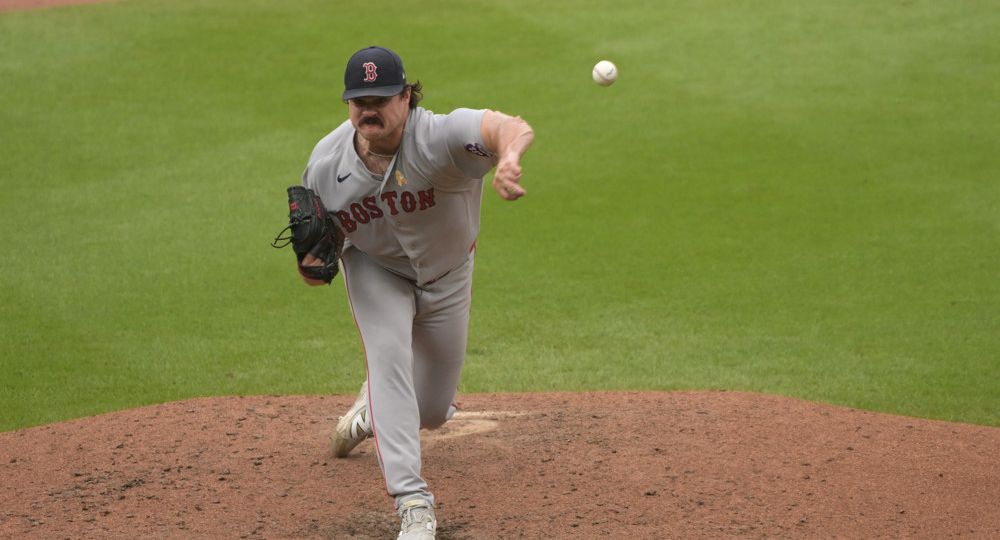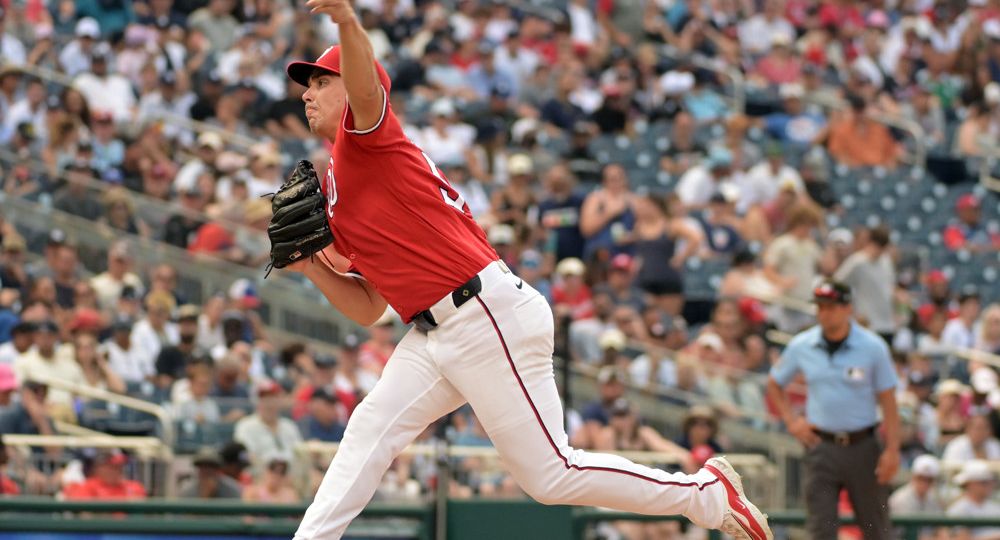


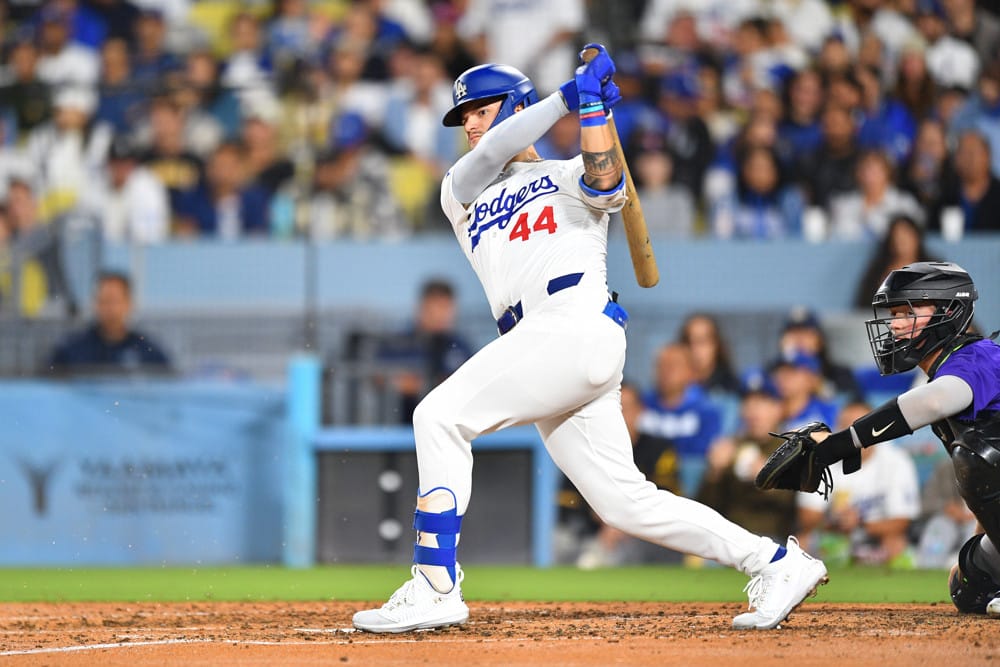
 Baseball betting can feel overwhelming at first glance. The numbers shift constantly, pitching matchups change quickly, and sportsbooks react to new information at speed. But over time, the logic behind the odds becomes much easier to follow.
That’s partly because baseball runs on a near-daily rhythm. Teams play almost every night, trends build slowly, and then can disappear just as fast. A single starting pitcher can reshape a betting market in under an hour. For experienced bettors, much of the real analysis happens before first pitch. Understanding how sportsbooks price games, why lines move, and which stats matter most gives a clearer view of the market, and that’s where a lot of the intrigue sits.
Understanding American Odds Format in Baseball
At first, American betting odds can look unnecessarily complicated. Negative numbers, positive numbers, fluctuating prices, it feels dense until the pattern clicks into place. Then it becomes surprisingly intuitive.
A favorite listed at -160 means a bettor would need to stake $160 to win $100. That pricing reflects market expectation, with sportsbooks viewing the favorite as more likely to win outright, though outcomes are never certain, and upsets remain very much in play. On the other side, a +140 underdog returns $140 profit for every $100 wagered, rewarding those who back the less-favoured result.
The market rarely stays still for long, either. Baseball odds move throughout the day based on pitching confirmations, injury news, weather shifts, and betting volume coming from the public. Sometimes a line adjustment reflects genuine information. Other times, it reflects perception more than reality.
That distinction matters; even bettors focused primarily on baseball often monitor futures markets in other sports to understand broader betting behavior, including major international events and the evolving odds to win the World Cup 2026. Different sports attract different betting patterns, but the underlying psychology behind odds movement tends to overlap more than people expect.
Comparing prices across sportsbooks also becomes important over time. Small differences matter in baseball because the season spans so many games that pricing efficiency eventually shapes long-term results in subtle ways.
Baseball Statistics That Actually Influence Betting Markets
Casual fans often focus on team records. Sportsbooks dig much deeper. ERA still matters because it reflects how many earned runs a pitcher allows across nine innings and directly impacts baseball betting odds. Still, WHIP frequently reveals underlying problems more clearly by tracking baserunners allowed through walks and hits.
And baserunners usually change games. Offensively, on-base percentage often gives a clearer picture than batting average alone, since consistently reaching base builds pressure over the course of nine innings. RBI totals can also be meaningful in certain matchups, especially when evaluating how effectively hitters capitalize on scoring opportunities. The real edge comes from understanding which statistics genuinely influence scoring before the market fully adjusts.It starts to read more like a conversation unfolding in real time among sportsbooks, bettors, and the sport itself.
Reading the Run Line Without Overthinking It
The run line functions as baseball’s version of a point spread, though it behaves differently from spreads in football or basketball. In most games, the line sits at 1.5 runs regardless of matchup strength.
Favorites on the run line must win by at least two runs. In exchange, bettors receive better pricing than they would on a standard moneyline wager. Underdogs can become attractive in different ways: they can either win outright or lose by a single run and still cover.
That can create real tension late in games. A team that looks comfortably ahead in the seventh inning can quickly turn a promising run line ticket into a tough loss if one bullpen mistake changes the momentum. Baseball produces those moments constantly because leads rarely feel entirely secure until the final out arrives.
Starting pitching heavily influences run line betting. Elite starters increase the chances of separation because dominant outings force opponents into uncomfortable offensive approaches early. Bullpen reliability matters just as much, though, particularly during long stretches of consecutive games where relief staffs become overworked.
Some franchises consistently generate late scoring opportunities. Others struggle badly once opposing bullpens enter games. Those details rarely feel dramatic beforehand, but they shape run line outcomes all season long.
Why Totals Betting Feels Different in Baseball
Totals betting shifts attention away from choosing winners entirely. Instead, bettors focus on combined scoring between both franchises. It sounds simple. Sometimes it is. Other nights, one inning changes everything instantly.
Most baseball totals fall between seven and nine runs, depending on the pitching matchup and ballpark conditions. Strong starting pitching often nudges totals lower. On the other hand, weaker rotations, fatigued bullpens, or hitter-friendly venues can push numbers upward even before the first pitch is thrown.
Weather plays a bigger role than many casual fans realize. Wind direction alone can swing scoring conditions in outdoor stadiums, while warmer air generally helps the ball travel further and colder conditions tend to suppress offense. Altitude is another factor, with Coors Field in Colorado consistently standing out as a venue where the ball carries differently, something regularly highlighted in sports news and trend coverage and tracked in resources such as FanDuel Research.
Bullpen fatigue also becomes critical during long series. Relief pitchers who are asked to throw multiple consecutive days tend to lose sharpness, creating vulnerability late in games. Many overs don’t materialize until the seventh, eighth, or ninth inning once starters exit and tired relievers inherit difficult situations. Baseball totals rarely unfold cleanly. That unpredictability is part of the appeal.
The Mistakes Newer Baseball Bettors Repeat Constantly
Most newer baseball bettors eventually make the same mistakes. Usually more than once. Backing popular franchises without much deeper analysis is one of the most common missteps. Baseball’s long, unpredictable season makes it difficult for reputation alone to hold steady value over time. Even elite teams lose regularly across 162 games, sometimes against opponents that look dramatically weaker on paper.
Pitching changes create another problem. A bettor placing an early wager may suddenly discover the listed starter scratched hours before game time. Sportsbooks react quickly when replacements are announced, and those adjustments can completely reshape the betting landscape before first pitch.
There’s also a tendency to overreact to short-term streaks. A lineup scoring heavily for three games straight may immediately run into dominant pitching the next night. Baseball constantly corrects emotional assumptions because the sample size becomes enormous over six months.
Ballpark conditions are constantly overlooked, too. Some stadiums suppress offense naturally because of dimensions or weather patterns. Others encourage scoring almost nightly. Ignoring those variables leaves gaps in how games are evaluated before odds are even considered. Baseball rewards patience and observation more than impulse. Usually, the market exposes rushed conclusions in the end.
Reading the Market Is Part of the Experience
Baseball betting odds aren’t just numbers sitting beside a matchup. They reflect perception, information, pitching quality, weather conditions, public opinion, and sometimes pure uncertainty all at once. The closer the first pitch gets, the more those forces start colliding visibly.
For sports fans, learning how to interpret those shifts adds another layer to the game itself. You begin noticing why certain franchises attract public attention, why pitching changes matter so dramatically, and how subtle statistical edges influence entire markets before a single inning begins. And over time, the board stops looking chaotic.