

 Fan engagement used to mean noise. The fan engagement used to involve louder music, brighter lights, and a mascot performing backflips. Cute. Also shallow. Smarter engagement treats attention like inventory and trust like currency, then prices both with discipline, ensuring that fans are not just passive consumers but active participants in the experience. Ticketing, media rights, sponsorship, and merchandise all hinge on the same question. Does the fan feel seen or merely processed? Data answers that question, but only when leadership stops worshipping vanity metrics and starts chasing behavior. A sellout crowd looks great. A returning crowd keeps payroll funded.
From Applause to Proof
The modern club can’t survive on vibes. It needs receipts. That’s why loyalty programs in sports matter when they stop acting like punch cards and start acting like a map of intent. Points mean nothing if they don’t predict renewal, upsell, and advocacy. The sharp operators tie rewards to moments that reveal preference. These moments can include seat upgrades, concessions, parking, streaming habits, and even the players who elicit a click. Some purists call this cold. Fine. Revenue feels cold until it pays for a better roster. Smart programs also set rules that prevent discount addiction.
The Stadium as a Sensor
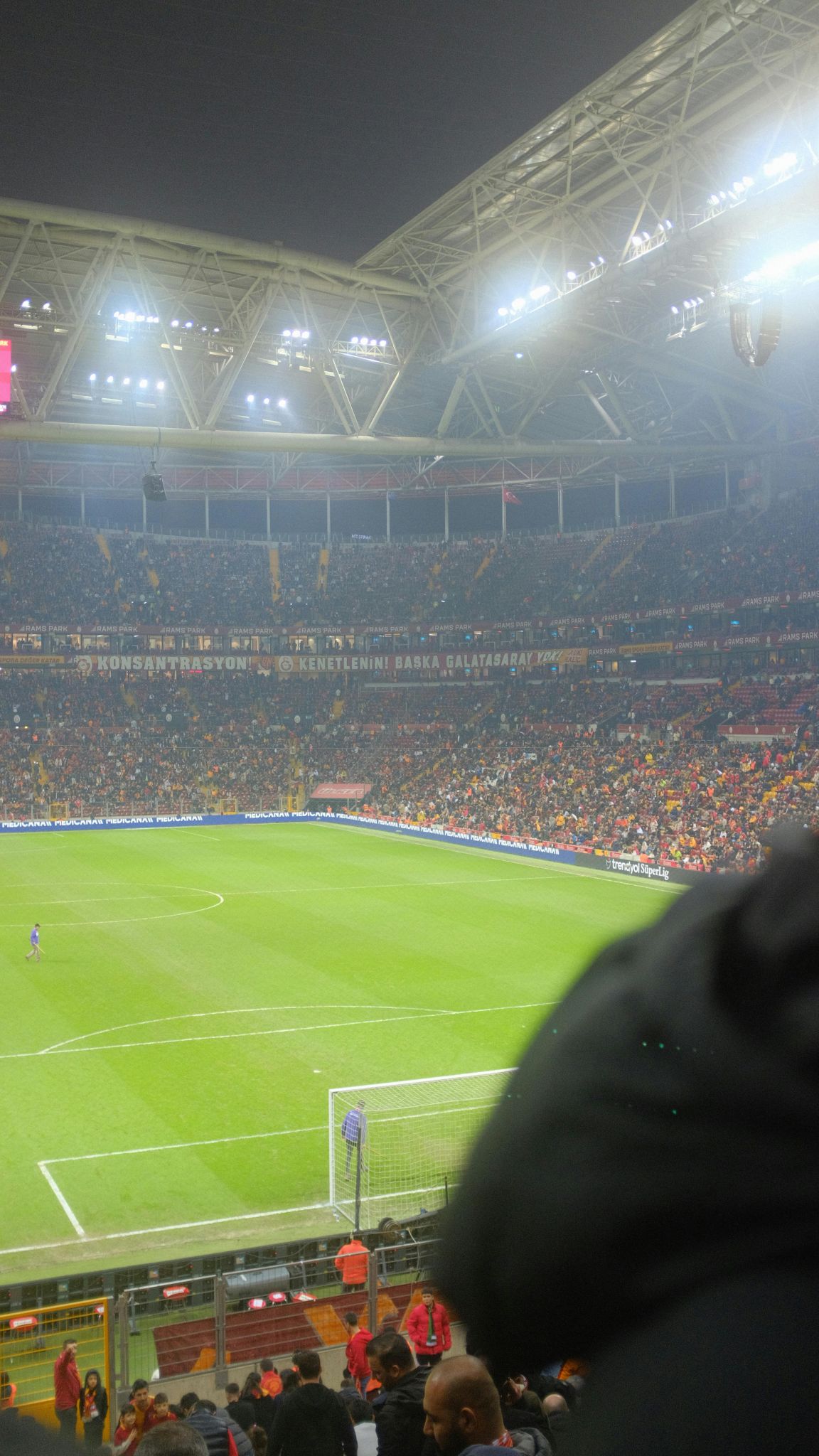
A venue now behaves like a living lab. Entry lines, dwell time, Wi-Fi pings, and mobile orders show what fans want and what they tolerate. That tolerance has a price. If the beer line steals a quarter of a quarter, spending drops, and frustration rises. Fixing it isn’t glamorous. It’s profitable. Smart engagement means friction dies quickly. Dynamic staffing, pre-order windows, and targeted bundles beat random discounts. A team that measures the walk from gate to seat understands something most front offices miss. Convenience sells. Clean bathrooms sell too. Ignore that, and season tickets wobble.
Sponsors Want Signals, Not Logos
Brand partners don’t crave another banner hung above section 214. They want a measurable link between exposure and action. Smarter engagement gives them that link without turning the fan into a billboard with legs. Segment audiences by behavior, not age stereotypes. A craft beer buyer differs from a family four-pack buyer. Sponsors can fund experiences that match those patterns. QR codes and trackable offers are indeed helpful. The real prize comes from repeat engagement. A sponsor who can demonstrate lift renewals is a valuable asset. A sponsor who guesses complains. Inventory shifts from signage to moments fans actually remember.
Media Isn’t a Megaphone Anymore
Scarcity formerly governed broadcasting. Attention now spans clips, creators, group conversations, and second screens. Teams that schedule content lose. The team that treats it like a product wins. Fans stay connected to data and offers with personalized highlights, behind-the-scenes access, and interactive statistics. Furthermore, pricing becomes wiser. Targeted trials, which are specific offers for a limited time; game-based passes that allow access to games for a fee, and micro-subscriptions, which are small, recurring payments for content, beat the all-or-nothing bundle. Irony hurts. Businesses must become more disciplined when the media fragments. One viral video can sell if the path is straightforward.
Conclusion
Smarter fan engagement isn’t a charming digital add-on. It’s a management philosophy that drags sports commerce out of superstition and into accountability. The best organizations connect experience and data and embed design in a loop that keeps getting sharper. They respect privacy, because scandals destroy trust faster than losses do. They also respect time, because fans notice every wasted minute. Great teams still need outstanding players. Yet the business side can’t wait for a championship to rescue it. Engagement that learns and adapts keeps the lights on regardless. Even losing seasons can keep momentum when fans feel value and control.