

Every week, sportsbooks post different opening numbers on the same game… And gamblers still refuse to check more than one board before they bet. That habit costs money in a normal week. On the opening weekend of the NFL season, when public interest sits at its highest point of the year and books are still calibrating their models, it can cost you a lot more.
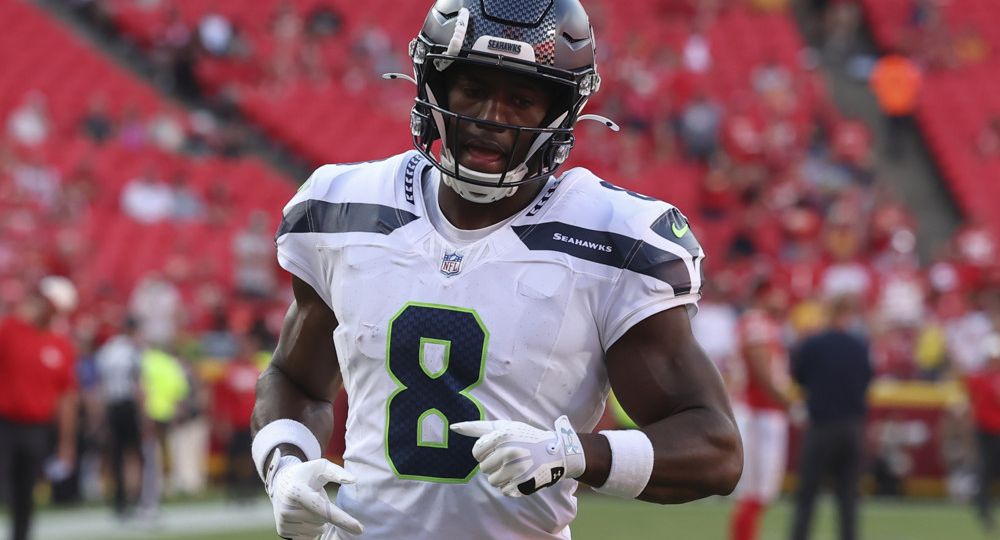
Nine of the sixteen games on Week 1’s slate carry spreads of a field goal or smaller. The Los Angeles Chargers sit alone as the only double-digit favorite, laying 11.5 points on the Arizona Cardinals. Everywhere else, half a point here or there is the difference between winning and losing. Wednesday night brings a Super Bowl LX rematch between the Seahawks and Patriots, the league’s first Wednesday opener since 2012. Thursday sends the Rams all the way to Melbourne as 3.5-point favorites over the 49ers, in the NFL’s first regular season game on Australian soil. Sunday night pits the Cowboys against the Giants, before Monday closes the week with Patrick Mahomes and the Chiefs hosting the Broncos. Neither number on any of these games is guaranteed to sit still between now and kickoff; neither is guaranteed to look the same from one app to the next.
Why the Number You See Isn’t the Final Word
Every sportsbook builds its own model and carries its own tolerance for risk. That means the same game can carry a different spread, total, moneyline or alternate line depending on where you’re looking. A half point rarely feels like much in the moment. Stack it across sixteen games in Week 1 and a full season beyond it and it starts to look like the single easiest edge available to a bettor who hasn’t changed anything else about how they bet.
The juice attached to a bet matters just as much as the number itself. Standard pricing runs at -110 on either side of a spread, but plenty of books quietly shade that to -105 or even -100 on select games to attract action. That gap looks small on one bet; it adds up fast once you’re placing dozens of them across a season, since you need a lower winning percentage just to break even at the better price.
Line shopping doesn’t require a model or a fresh angle on a game you already like. It just asks that you check more than one number before you commit to it. The size of the American market makes that simpler than it used to be. Commercial sportsbooks around the country took in a record $166.94 billion in wagers last year. That kind of volume keeps plenty of operators competing hard for your business, producing price differences that a bettor willing to compare gets to exploit.
Moneyline Prices Can Move Just as Much
Line shopping matters even when there is no point spread involved. Moneyline prices can vary from one sportsbook to another, meaning the same team might be available at +140 on one app and +150 somewhere else, or a favorite might cost -155 instead of -165.
Those differences affect the return directly. A bettor who regularly accepts the first moneyline they see can give up value without changing their opinion on the game at all. The pick stays the same; only the price improves.
Totals Deserve the Same Comparison
Totals can create another obvious reason to check more than one sportsbook. An over at 44.5 is not the same bet as an over at 43.5, just as an under at 45 can be more attractive than one at 44.
Even a small difference can matter when NFL scoring lands close to commonly posted totals. Bettors should therefore compare both the number and the price attached to it before settling on an over or under.
Shopping the Sportsbook, Not Just the Line
The same comparison habit can start before the first wager is placed. Sportsbooks compete on more than spreads and moneylines, with differences in welcome offers, rewards and the conditions attached to them. A large headline number does not necessarily make one offer more useful than another if reaching that maximum requires considerably more wagering or comes with tighter restrictions.
Fanatics is one example. A breakdown of the current Fanatics sportsbook promo by the experts at Covers explains their offer of up to $1,000 in FanCash across a new customer’s first 10 consecutive days, along with the qualifying odds, daily limits, eligible locations and expiry conditions. Those details matter because the full advertised value depends on how the offer is actually used rather than simply opening an account.
It follows the same principle as line shopping. A bettor comparing -110 with -105 should also be willing to compare the conditions attached to two apparently similar promotions. In both cases, the headline number is only useful once you understand what sits behind it.
More Than One Way to Beat the Line
Shopping isn’t limited to picking the better of two point spreads either. Once you’ve settled on a side, the standard spread bet is only the starting point. Crossing a key number with a teaser can turn a shaky favorite into a far safer play, since a large share of NFL games get decided by margins of exactly three or seven points. A two-team, six-point teaser that moves a favorite from 7.5 down to 1.5 crosses both numbers at once – which is worth a great deal more than a similar move that skips over them.
There’s no reason to stop there, either: totals, moneylines, props and futures deserve the same scrutiny. A total sitting at 44.5 on the Patriots-Seahawks game is a different bet than one sitting at 43, no matter how confident you feel about the over. Alternate lines widen the gap even further, letting you buy extra points on a spread or shift a total up or down in exchange for a worse price. The value of that trade shifts noticeably from one book to the next. This week’s prop rundown and win total locks worked through season-long bets and first touchdown props for the opening slate, numbers that move just as unevenly across books as the spreads do.
Player Props Can Show Even Bigger Gaps
Player props often vary more noticeably than the main spread or total. One sportsbook might list a quarterback passing-yard line at 247.5 while another sits at 252.5. Receiving, rushing and touchdown markets can also carry different prices even when the underlying bet looks almost identical.
That makes prop shopping especially important in Week 1, when books are working with less current-season data and player roles may still be settling. Checking several operators can reveal a better number without requiring a different read on the player or matchup.
Check the Market Again Before Kickoff
Line shopping is not only about comparing sportsbooks at one moment. NFL numbers can move throughout the week as betting action, injuries and new information enter the market.
A bettor who checked a spread on Tuesday may see a different number by Sunday morning. Comparing several books again before placing the wager can therefore matter just as much as the initial research. The best available number earlier in the week may no longer be the best one closer to kickoff.
Building the Comparison Habit for Week 1
None of this demands hours of extra research. Here’s the habit it actually asks for: check a second app before you lock in a number, notice the juice attached to it, weigh whether a teaser crosses a key number and treat a sign-up offer the same way you’d treat a spread. The Chargers-Cardinals mismatch and the Rams’ trip to Melbourne give you plenty of reasons to bet Week 1. Shopping every part of that bet, not only the number everyone already agrees on, is what turns a good read on the games into a genuinely profitable one over the eighteen weeks still ahea