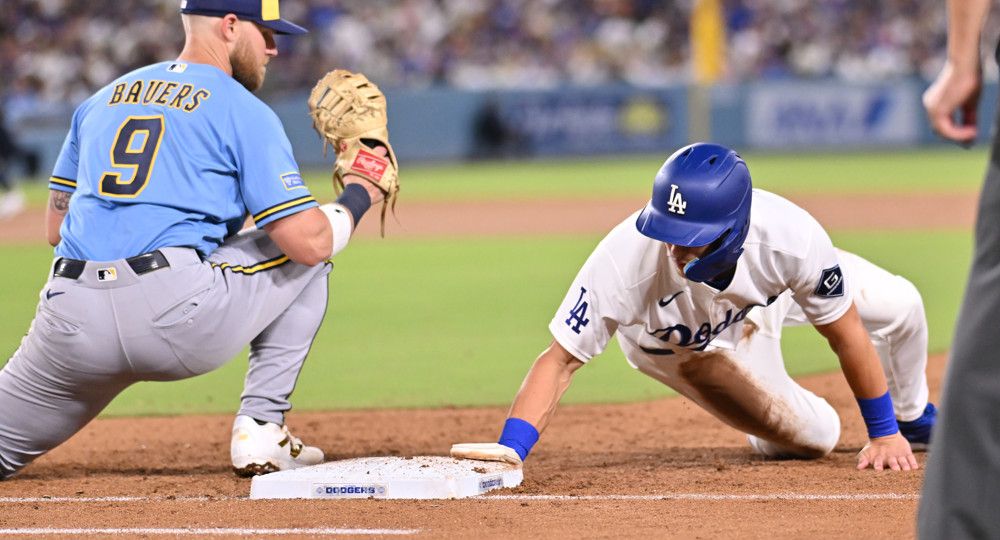


If you’ve come from betting NFL spreads or NBA point totals, the MLB run line looks deceptively simple at first glance.
A fixed 1.5-run spread, two sides, pick one. How hard can it be? Harder than it looks, as plenty of bettors find out the expensive way.
Baseball’s low scoring nature makes that 1.5-run margin far more significant than it appears, and the run line catches out more people than almost any other market in the sport.
The Run Line Is Not Just a Spread
The number never moves, it’s always 1.5. What changes is the price.
In the NFL, a spread might shift from -3 to -4.5 based on public money or injury news. The MLB run line doesn’t work like that as the odds do all the heavy lifting instead.
That changes the whole way you need to approach it. Most spread betting is about whether a team covers a number.
Baseball run line betting is about whether covering 1.5 runs at this specific price is actually worth it and that second part is where most people stop doing the work.
Covers.com has a solid breakdown of how the pricing works in practice, worth a read before you start putting money down.
Favourites on the Run Line Are a Trap
Heavy favourites look tempting at -1.5 because the odds are so much better than the moneyline.
You’re backing a team you already think will win, just at a nicer price.
The problem is the math doesn’t care how confident you feel.
Around 28-30% of all MLB games are decided by exactly one run, meaning even when your favourite wins, there’s a real chance they win by precisely the margin that loses you the bet.
Favourites fail to cover the -1.5 roughly 61% of the time at home and 56% on the road. Backing blind run line favourites across a full season is a losing strategy, no matter how good the team looks on paper.
When the Run Line Actually Makes Sense
That said, there are situations where -1.5 is genuinely the right call.
An ace pitcher with a low ERA going up against a weak lineup is the textbook spot, games that tend to get away from one side rather than staying tight.
The SGPN MLB Picks page is worth checking daily for that kind of matchup context, it helps you find the specific spots rather than just defaulting to whatever team looks best on the surface.
The Reverse Run Line: An Underused Angle
The underdog at +1.5 is genuinely underappreciated, and honestly it’s where the softer value tends to sit.
Public money piles onto run line favourites, books see it coming and price it in.
Taking advantage of best betting offers across multiple platforms is one of the simplest ways to avoid adding to that problem by also accepting a worse price than you need to.
The +1.5 underdog wins the bet if they win outright, or if they lose by exactly one run. That second scenario alone covers nearly a third of all MLB games.
You’re not asking the underdog to pull off an upset, you’re asking them to stay within a margin that happens regularly.
Shopping Lines Makes a Real Difference
Because the line number is fixed, the price is the only variable, and it moves around more than people realise.
You don’t need a complex model or insider knowledge to get an edge here. You just need the habit of checking more than one price before you commit.
Over a full 162-game season, that discipline alone is worth its weight in gold.
The run line looks simple, it isn’t. But once you understand what that fixed 1.5 actually means in a sport where one run decides the game nearly a third of the time, it all clicks into place.