

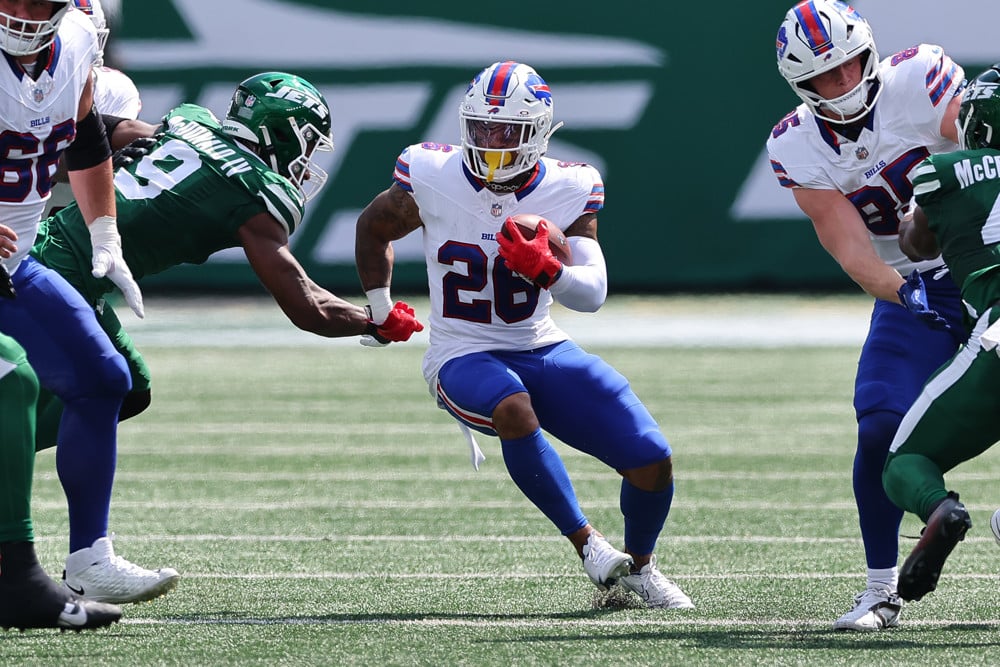
 There’s that moment in the week when everything shifts. It’s midweek, maybe Wednesday or Thursday, and suddenly the weekend feels loaded. You check the schedule again, even though you already know it by heart. Injury updates pop up in your feed. A quick text from a buddy: “You seeing this lineup?” The air changes. Not dramatically—just enough to notice. That low hum starts building. It’s the electric buzz before the first whistle, and honestly, it’s one of the best parts of being a sports fan.
You don’t need to be at the stadium or glued to a screen yet. The game hasn’t started, but your mind’s already there. You’re imagining plays, rooting for comebacks that haven’t happened, replaying last week’s highlights in your head. It’s anticipation in its purest form—pure potential, zero outcome yet. And that feeling? It carries you through the rest of the week like a secret fuel.
Why the Build-Up Hits Different
Anticipation isn’t just waiting; it’s active. Your brain releases dopamine when you expect something good. Not only when it happens, but while you’re looking forward to it. Psychologists talk about this a lot—how expecting positive events boosts mood, sharpens focus, even eases stress from daily grind. In sports, that pre-game window is perfect for it. The outcome’s uncertain, but the possibility feels real. Your team could pull it off. That star player might go off. The underdog story could write itself.
I’ve had weeks where work dragged, but Thursday rolled around and suddenly I had energy. I’d refresh stats, debate matchups with friends online, even plan snacks or rearrange the couch setup. It wasn’t about the game itself yet—it was the buildup. That shared excitement made ordinary days feel charged. No wonder so many fans say the lead-up is half the fun.
Rituals That Amp the Vibe
Everyone has their thing. Some people blast team playlists on the drive home Friday. Others rewatch classic games or dig into podcasts breaking down schemes. My routine used to be simple: grab takeout Thursday night, fire up a preview show, and text the group chat predictions. Nothing fancy, but it turned the countdown into something social and fun. Those little rituals make the wait feel intentional instead of empty.
The best part is how it connects people. A casual “Who you got?” text turns into a full debate. Memes fly. Inside jokes form. Even if you’re watching solo, you feel part of something bigger. Social media lights up with the same energy—polls, hot takes, throwback clips. It’s a collective pulse. Strangers bond over shared hope or nerves. That community vibe keeps the buzz alive.
Handling the Nerves That Come With It
Not all anticipation is pure joy. Sometimes nerves creep in. A big rivalry. Playoff implications. Your team’s on a skid. That knot in your stomach is real—fans call it “fanxiety” for a reason. A little stress sharpens focus and alertness, which is why some say it feels good in small doses. It’s your body gearing up for the emotional ride ahead.
The key is balance. Lean into the excitement without letting worry take over. Deep breaths, a quick walk, reminding yourself it’s entertainment. Most fans ride the wave and come out fine—win or lose, the shared experience matters more than the final score.
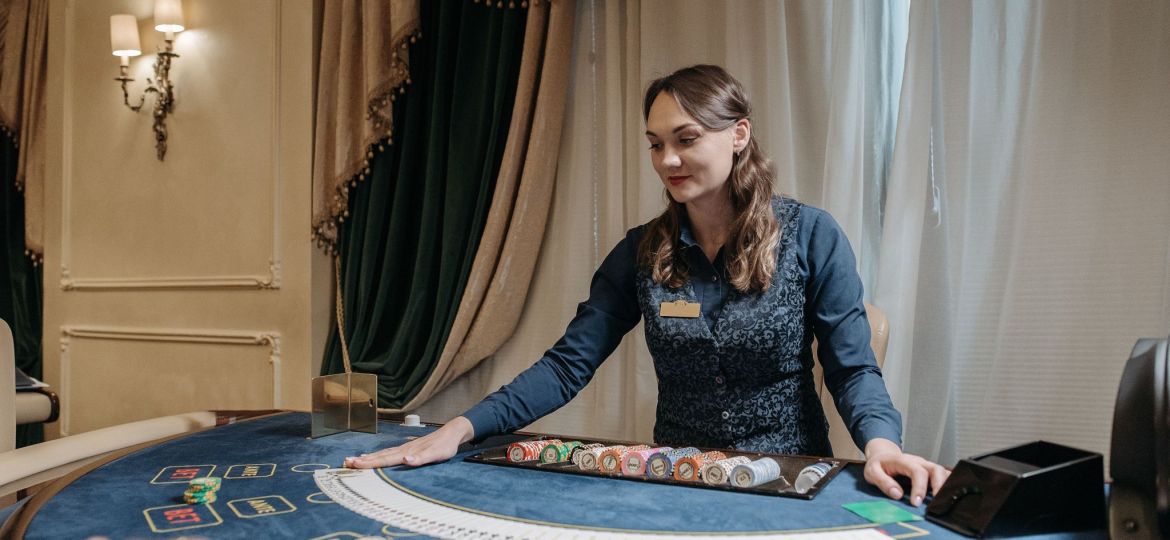
If that pre-game rhythm of buildup and shared tension sounds familiar—especially in slower-building games like those with cards where the energy mounts hand by hand—plenty of folks casually ask is online poker legal in florida when exploring similar vibes in other spaces.
Carrying the Energy Forward
The buzz doesn’t vanish when the whistle blows. It lingers in post-game chats, recaps, replays. A win amplifies it for days; a loss stings, but the next matchup already looms. That cycle—anticipation, action, reflection—keeps fans coming back. It’s healthy in moderation: mood lift from dopamine, social connection, a break from routine.
Studies back this up. Anticipating positive events like games improves well-being. It gives permission for leisure, builds community, even helps navigate tougher times. In a fast world, having something to look forward to matters.
For more on why anticipation feels so rewarding for fans, this Psychology Today piece on anticipation as part of fandom dives into the dopamine surge and mental health perks of looking forward to games.
Another solid read is Psychology Today’s look at why fans get so excited during events, which covers loyalty, storytelling, and the emotional buildup that makes sports special.
The Best Part of the Week
So next time midweek hits and that buzz starts humming, lean in. Text your people. Check the previews. Let the anticipation do its thing. Because before the first whistle, anything’s possible—and that possibility is electric.