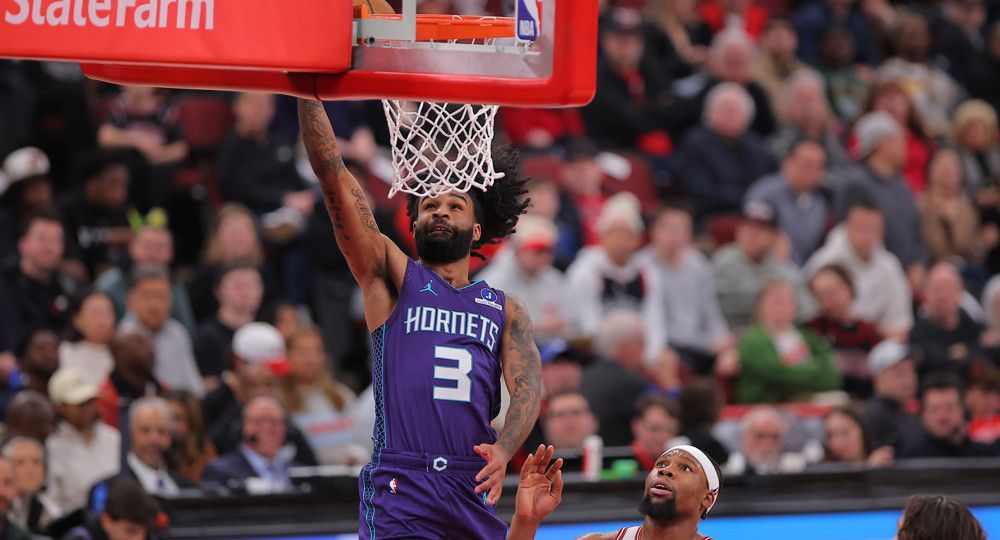


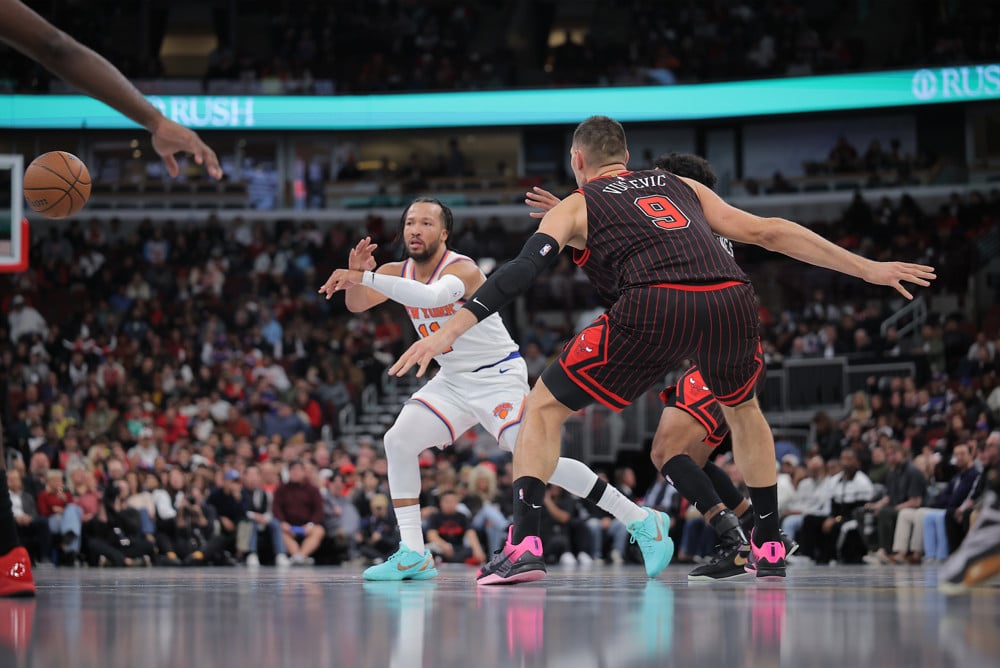
Two franchises own the sports-game business in 2026. In Circana’s full-year chart for 2025, NBA 2K26 was the second best-selling game in the United States of any kind, behind only Battlefield 6; EA Sports FC 26 sat eighth, below Madden and College Football, because FC’s money comes from the rest of the world and from phones. Between them, basketball and soccer have built the only two sports-game ecosystems that run all year without a real-world season to lean on. Soccer has the reach and basketball has the hours per player; everything else spikes around its season and goes quiet.
Global Scale vs. Per-User Engagement
EA does not publish player counts, so its money tells the soccer story. In the fiscal year to March 2026 the company booked $8.03 billion, up 9 percent, and said its football business grew “with growth across EA SPORTS FC 26, FC Online, and FC Mobile.” A quarter earlier it had credited FC’s growth to “strength in Ultimate Team and FC Mobile.” A console game at the top, a free mobile game underneath doing much of the work, and a World Cup summer as a tailwind: FC 26 got a free 48-team World’s Game update at the start of June, timed to the tournament in the United States, Canada and Mexico, and FC 27 followed in September with more than 21,000 players. Konami, meanwhile, passed one billion cumulative downloads of eFootball in April.
Basketball’s engine is narrower and hotter. Take-Two said NBA 2K26 had sold more than five million units by November 2025, with daily active users up nearly 30 percent, MyCAREER daily users up nearly 40 percent and recurrent spending on the game up 45 percent. For the full fiscal year, recurrent spending was 78 percent of everything Take-Two booked, with NBA 2K named first among its largest contributors.
Pacing, Match Length, and Session Loops
A basketball game under the NBA 2K League’s rules runs four six-minute quarters, and the park’s 3v3 games end at 21 points, so a session is a string of ten-minute decisions with the score changing every few seconds. Soccer’s online halves are a few minutes each, condensed from 90, so a single goal carries the weight of a whole real match. Both fit an evening in pieces. Baseball’s pauses and football’s stop-start play do not compress the same way.
Digital Economies and Randomized Reward Loops
Much of the year-round retention comes down to how the publishers structure progression outside the match itself. Ultimate Team and MyTEAM tie card collecting to the real-world calendar through randomized pack openings, timed drops and tiered reward tables. The design borrows from the mechanics of online slot games: a payout’s timing, not its size, keeps a short session going, and packs are paced the same way. What separates them is that a pack cannot be cashed out, which is where the UK government drew the line in 2022 when it concluded that most loot boxes do not meet its definition of gambling, while noting a consistent association between loot box use and problem gambling. Sports publishers get the engagement without the license. Pair skill on the court or pitch with chance in the menu and players log in daily, and the menu is where the money is.
The 2026 Takeaway
Other sports games have a season. Soccer and basketball have built something that does not need one: intuitive rules, console-and-mobile reach across both hemispheres, and a live-service loop that runs from one tournament cycle to the next. The attention economy of sports gaming is theirs until another sport finds a mobile audience the size of soccer’s or a mode as sticky as MyCAREER.