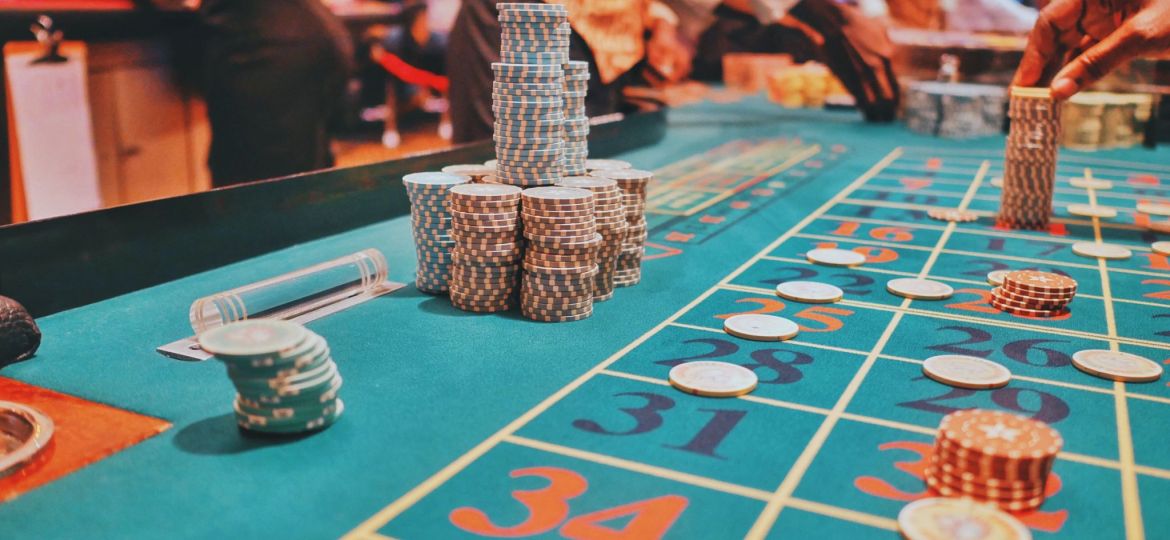



Self-control has become a scarce resource in online gambling. Between instant deposits, push notifications, and casino apps that sit one tap away, most players respond with drastic fixes: deleting every app, quitting cold turkey, or promising never to spend more than a rigid sum each month. These overhauls rarely survive week two because they demand more willpower than a tired brain can supply. Micro-habits offer a smarter route: actions so small they slip past mental resistance, yet repeated every session, they compound into remarkable gains in discipline and enjoyment.
Why Micro-Habits Work Better Than Raw Willpower
Motivation is fickle fuel — it surges after a big win or an inspiring podcast and evaporates by the next losing streak. Stanford behavior scientist BJ Fogg has shown that lasting change depends less on motivation than on ability: when an action is tiny, you can do it even on your worst day. Psychologist Peter Gollwitzer’s research on implementation intentions adds a second pillar. Framing a habit as “before I open a casino app, I will write down my session budget” reliably improves follow-through over vague resolutions. Author James Clear later popularized this technique as habit stacking. Each completed micro-action delivers a small hit of satisfaction, training the brain to repeat it. Over weeks, these cues condition your mind to enter a calm, planned play mode almost automatically.
Pre-Session Micro-Habits That Keep You in Control
The few minutes before you play shape your decision-making for the whole session. Opening an app on impulse, after a stressful day or out of boredom, lets mood set the agenda; a deliberate sequence of tiny actions signals that you control it. This is not about swearing off entertainment for good — a Verde Casino download for a few relaxed spins can sit comfortably in your evening, once the plan below is in place. None of the habits below takes longer than two minutes, and together they form a ten-minute routine. Attach each one to something you already do — sitting on the sofa, finishing dinner, picking up your phone — so the sequence runs on autopilot.
- Decide your session budget before opening the app and write it down; money set aside in advance is far easier to respect.
- Set a deposit limit and a session reminder in your account settings while you are calm, not mid-game.
- Start a phone timer for your planned session length so the clock, not the mood, decides when to stop.
- Drink a glass of water and eat something first; playing tired or hungry weakens judgment.
- Take five slow, deep breaths to lower physical arousal before the first spin or bet.
Each item cues the next, so the whole chain eventually fires with almost no conscious effort.
Decision Exercises That Take Less Than Two Minutes
Self-control is not a fixed trait; it responds to training like a muscle. Research led by Gloria Mark at the University of California, Irvine, found that the average person now stays on a single screen for roughly 47 seconds before switching, down from two and a half minutes two decades earlier. That fragmentation is learned, which means it can be unlearned through deliberate practice. The two-minute rule is the simplest drill: pause for two minutes before every deposit, with full permission to go ahead afterward if it still fits your plan. Since urges fade quickly, many pass on their own. A second drill is the ten-minute check-in: halfway through a session, stop and compare your balance and time played against what you planned. Finally, apply the 20-20-20 rule during long screen sessions — every 20 minutes, look at something 20 feet away for 20 seconds. Short, repeated pauses build steadier decision-making far more effectively than occasional bouts of resolve.
Play on Your Phone Without Losing Control
Advice to simply “avoid casino apps” collapses under real-world pressure, so environment design beats restraint. A widely cited 2017 study from the University of Texas at Austin found that the mere presence of a smartphone — even silenced and face down — measurably reduces available cognitive capacity. Keeping the device out of reach during work, meals, and late-night hours is one of the highest-leverage micro-habits available. Intentional leisure matters just as much. Scheduling a defined window for entertainment, whether that means a favorite show, a sports match, or a few slot spins, converts a potential impulse into a planned, guilt-free reward. A few final tweaks round out a safer setup:
- Disable promotional push notifications and marketing emails from gambling apps.
- Batch your play into one or two fixed windows per week instead of dipping in whenever you are bored.
- Turn off one-tap payment autofill so every deposit requires a deliberate step.
- End each session with a two-minute shutdown ritual: note what you spent, how you felt, and close the app.
Each tweak takes minutes to implement, yet together they remove dozens of impulsive moments.
A Seven-Day Micro-Habit Starter Plan for Smarter Players
Knowing which habits work is half the challenge; sequencing them is the other half. Introducing one new micro-habit per day prevents overload and gives each behavior time to settle. The starter plan below spreads seven practical habits across a single week, most of which require two minutes or less.
| Day | Micro-Habit | Time Required |
| 1 | Write down your session budget before opening any casino app | 1 minute |
| 2 | Set a deposit limit in your account settings | 5 minutes |
| 3 | Pause for two minutes before every deposit | 2 minutes |
| 4 | Take three deep breaths before each new session | 30 seconds |
| 5 | Turn off all promotional notifications | 5 minutes |
| 6 | Run one ten-minute mid-session check-in | 10 minutes |
| 7 | Run a two-minute post-session shutdown ritual | 2 minutes |
By day eight, the full stack runs in under fifteen minutes spread across your sessions. Adjust the order freely — the only real rule is consistency.
Turn Tiny Steps Into Lasting Control
Healthy play is rarely the product of heroic effort. It emerges from small, repeated actions that reduce friction, protect your budget, and signal to your brain when to stop. Micro-habits succeed where dramatic overhauls fail because they fit into real life and can survive stressful weeks, low motivation, and unexpected losing streaks. Start with one habit from the plan — writing down your budget and the two-minute deposit pause are excellent first candidates — and practice it until automatic before adding another. Track your streak for two weeks and notice how your sessions change. Gambling is for adults aged 18 and over and should always remain entertainment; if it stops being fun or you struggle to stay within your limits, use the self-exclusion tools in your account or seek support from a responsible gambling service.