

You see a heavy favorite on the road after a big win. Surely, they can’t have a letdown against such a poor opponent, so you bet heavily on the favorite. Before you know it, the other team is storming the field, and your juicy favorite just got upset. You walked into a trap game without realizing it. The good news is that you get an opportunity to learn from a bad loss and gain knowledge in situational handicapping. Let’s break down what trap games are and go through how to avoid them.
Are you looking for a sportsbook to place bets on our college basketball picks? Check out MyBookie.ag

2026 College Football: How to identify a trap game
What does a ‘trap game’ mean in college football?
A trap game in college football is simple to define, but a challenge to explain. It’s a game in which a heavy favorite or ranked team comes off a big win. The big win doesn’t have to be a marquee matchup against another ranked team. It’s usually an emotional rivalry win on the road, a tough conference matchup in which the favorite coming into a trap game was an underdog.
There could also be schedule dynamics that impact performance, such as playing an opponent off a bye week after a tough matchup or an ‘out of the way’ travel spot such as a MAC team heading to Sacramento or a Big 12 team having to travel to Lubbock, TX.
Injuries can also factor into trap game status if a team has to play down a key member on a short week or is facing a team that starts to get healthy.
What’s the difference between a trap game and a ‘Look-Ahead Spot’?
A trap game and a look-ahead spot are similar, but there are key differences in how to spot and handicap. A look-ahead spot occurs when a team is caught looking ahead on their schedule to a key rival or tough conference opponent, and overlooks an easier opponent.
Looking ahead doesn’t require a team to be coming off a big win or having to deal with injuries or travel like a trap game can have. It’s simply overlooking an easy opponent for a more meaningful game ahead on the schedule.
Is it profitable to fade trapped teams?
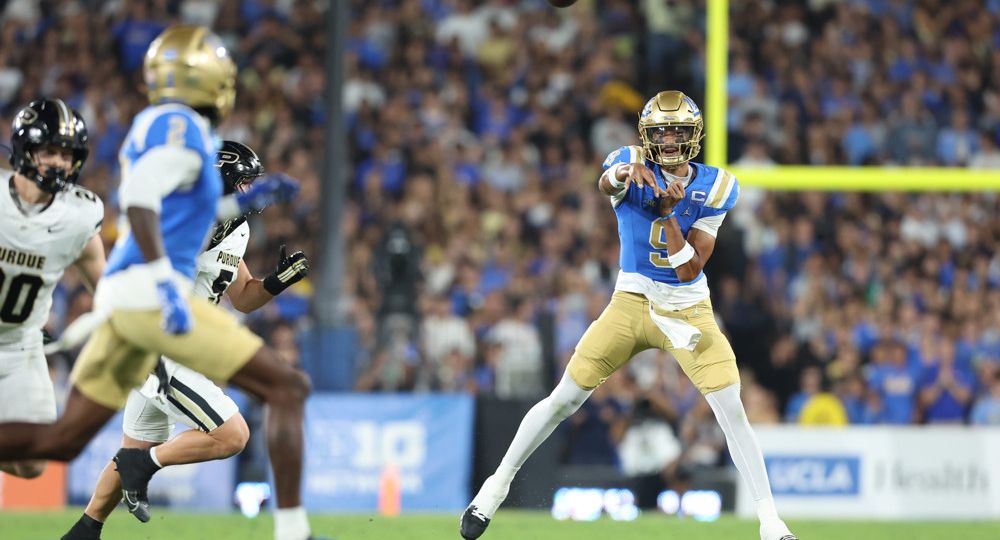
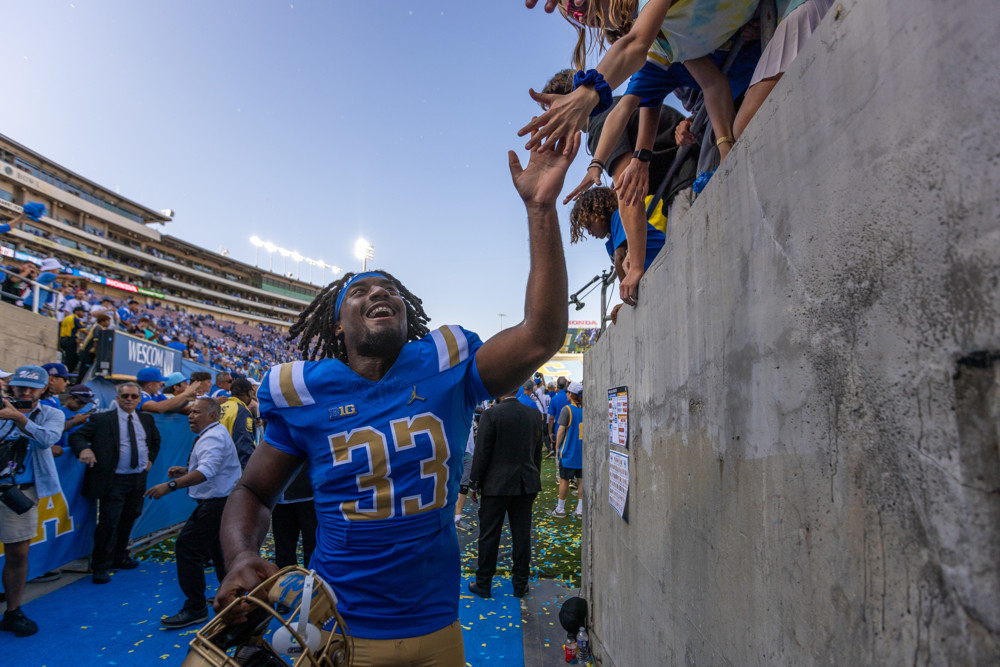
If you know how to look for trap games, it can be extremely profitable. On October 4th of last year, UCLA won outright at home against Penn State when the Nittany Lions were off a tough home loss against Oregon in double overtime. Penn State had to travel to Los Angeles, and they were ranked 7th in the nation with a 3-1 record. UCLA was only 1-4 heading into this game, but clipped Penn State as a 24.5-point underdog.
UCLA was 13-to-1 on the moneyline at some sportsbooks. Hitting a play like that could turn a month from break-even to plus money.
Penn State vs. UCLA wasn’t the only profitable trap game last year or even on the same day. Florida beat Texas outright as a heavy underdog in another trap game on October 4th last year. Texas had a look-ahead to Oklahoma, but had to travel to the swamp to face a 1-3 Florida Gators team.
What are common signs of a trap game?
Trap games are rarely just one factor; they typically involve a combination of factors. Penn State entered the UCLA game off a heartbreaking loss, tough travel, and a team with a number next to its name. Florida had travel, a look-ahead, and a heavy favorite off a lopsided win. Let’s go through a list of potential trap game features to consider when handicapping.
- Betting Line: Is one of the teams a heavy favorite? Maybe heavier than they should be?
- Opponent: Is the favorite playing an opponent that is perceived as inferior?
- Location: Does the favorite have to go on the road? Do they have a travel schedule that goes across multiple time zones?
- Look-ahead: Does one of the teams have a rivalry or important conference matchup next on their schedule?
- Rest: Is the underdog coming off a bye week? Did the favorite have a quick turnaround that may impact preparation?
- Health: Does the favorite have key players listed as a ‘game-time decision’? Are there significant injuries in the trenches that can impact offensive or defensive schemes?
- Opponent: Is the opponent an unusual team for the favorite to have on their schedule? Could a lack of familiarity or unique style of play catch the favorite by surprise?
Does a game have at least two or three of these narratives? More? If you’re checking multiple boxes, you may have found yourself a true trap game and should look to fade the heavy favorite.
What are avoidable betting mistakes on trap games in college football?
While it helps to know the signs to look for, there are a few common mistakes that bettors make when it comes to trap games. A few key mistakes and factors that don’t influence trap games are as follows:
- Every game before a rivalry game is a trap: This is not always the case, but it does make for a potential look-ahead spot. Also, a home rivalry game isn’t usually as concerning as playing a rival on the road.
- A big spread means a trap game. Absolutely not. Alabama plays Chattanooga ahead of the Iron Bowl. The line for that game will be 30+ points. Alabama will likely cover. This game is definitely not a trap game.
- The public is on the favorite, so bet the underdog: Heavy public betting can be a factor, but it doesn’t make a game a trap game.
- The line has moved in favor of the underdog: The books must know something: Line movement can happen because of a lot of factors. Heavy line movement doesn’t necessarily mean a game is a trap.
Which games look like trap games for the 2026 college football season?
Trap games typically require the season to play out a little to really show themselves. However, there are a couple of games on the schedule that bettors may want to have circled. Key games include:
September 30th, Clemson at California: Clemson has to travel to Berkley, CA, the week before they play Miami at home in Clemson, SC. The Golden Bears will play Wagner at home the week before they play Clemson. Clemson should be a heavy favorite coming into this game, and Cal should be fresh off the FCS game. This is a brutal travel spot for Clemson. The flight time is roughly eight hours, and the Tigers may have to take a bus or two to get where they’re going. Cal is in Year One with head coach Tosh Lupui, but he has a solid group around him. There shouldn’t be any issue with preparation, and Cal should look to go bowling in his first year. This is a little early for a trap game, but it fits a lot of the narratives.
October 3rd, Michigan at Minnesota: Michigan will be off a home game against a tough Iowa squad. The Wolverines also have a bye week on deck with Penn State coming to Ann Arbor after that. Minnesota won’t have a significant rest advantage, but the spread should be hefty, and the Golden Gophers haven’t beaten Michigan at home since 1977. This year could be their best chance to win a home game against a team that typically bullies the Gophers.
November 7th, Texas at Missouri: Texas has a look-ahead spot to LSU in Baton Rouge. Missouri will be off a bye week and a road game at Arkansas. These two teams haven’t played since 2017, but the Longhorns went to Columbia, MO in 2011 and lost outright. The Longhorns should be a heavy favorite coming into this game, and going on the road in the SEC is always a tough task.
November 13th, Illinois at UCLA: Traveling from Champaign, IL to Los Angeles is brutal. The Fighting Illini will likely have to take a bus to Chicago and then fly over four hours to Los Angeles. That’s a lot of travel for a college football team. There’s a non-zero chance that Illinois could wind up in the running for a spot in the college football playoff. They have a home game against Iowa right after this. UCLA is in Year One with new head coach Bob Chesney. His teams are known to play a physical style, and they tend to get better as the season goes on. Illinois should come into this game as the favorite, and the Bruins could clip a Big Ten stalwart for the second straight year.
The College Football Experience
For more analysis of every college football game in the 2026-26 season, tune in to The College Football Experience. Colby Dant and Moneyline Mac talk about each game on the entire slate. Listen for input on ATS and moneyline college football picks every week!