

 Sports bettors and casino players are often grouped into the same audience, but they don’t always want the same kind of gameplay.
At a glance, both platforms zoom in on one key moment inside a bigger experience. A prop narrows the focus to a player, stat, or game event. A bonus round does something similar inside a slot by turning one trigger into the part of the session that’s most pivotal to the player experience.
There’s definitely an overlap, but it’s also one that’s easy to exaggerate. One format is built around opinion, timing, and market selection. The other is built around structure and chance. For players who spend more time in sportsbooks than casino lobbies, that distinction is critical.
They Look Similar at First, But They Aren’t
Some of that crossover becomes obvious when bettors start browsing slot games online and notice how many titles are sold around one feature rather than the base game itself. Free spins, sticky wilds, hold-and-win rounds, and multiplier screens are often presented as the true main event. That is not far from how sportsbooks package props around one player line or one game angle.
The difference is the user’s role once the action begins. A prop bet asks the bettor to make a read before anything happens. A slot feature asks the player to stay involved until the game opens the door.
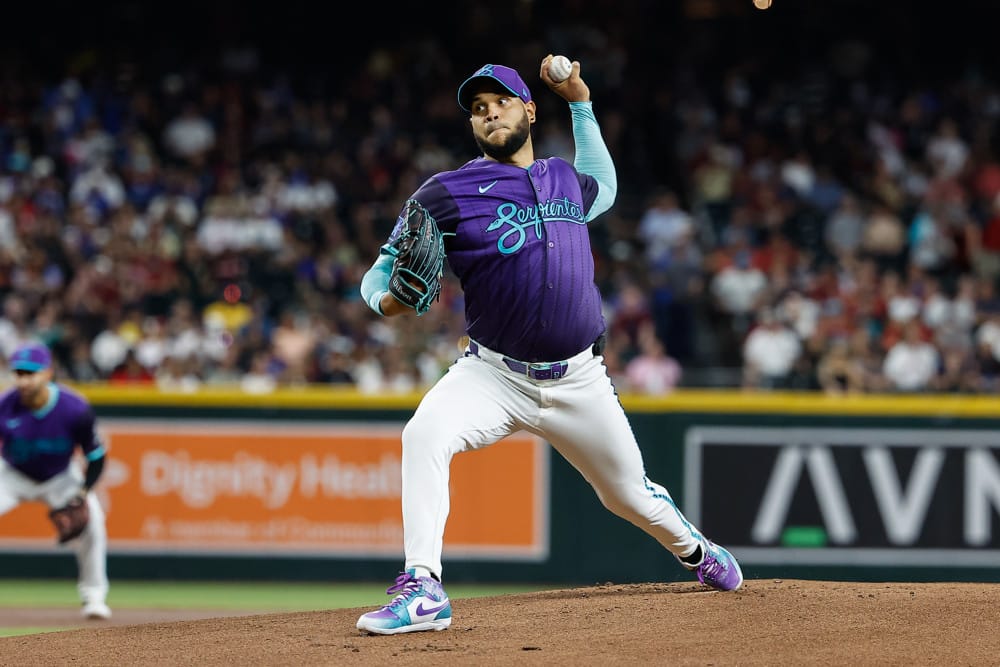
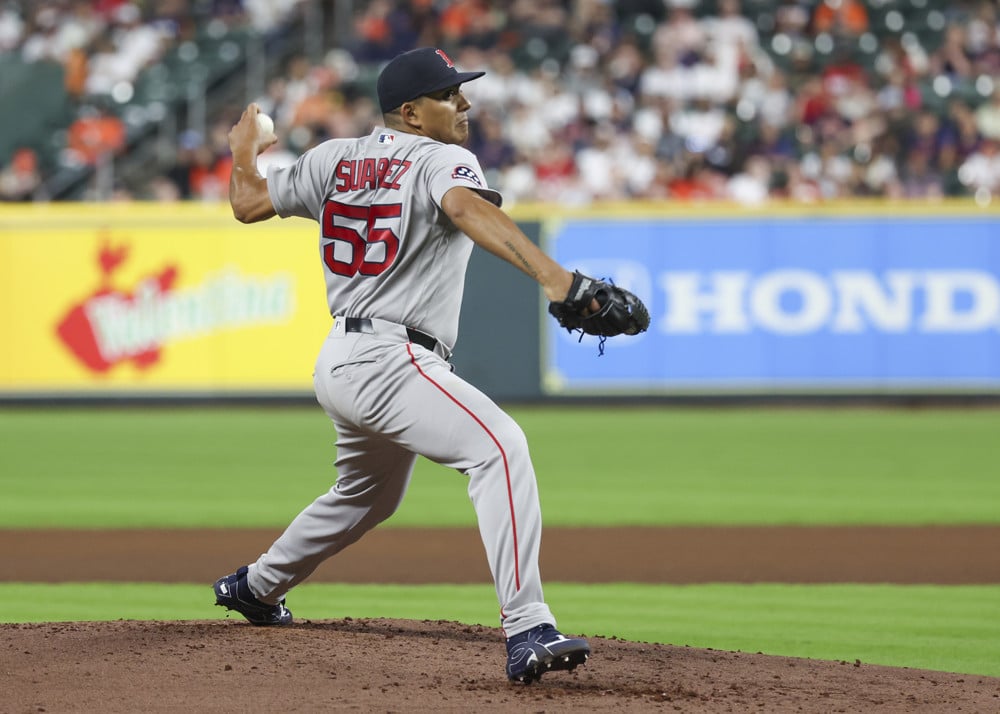
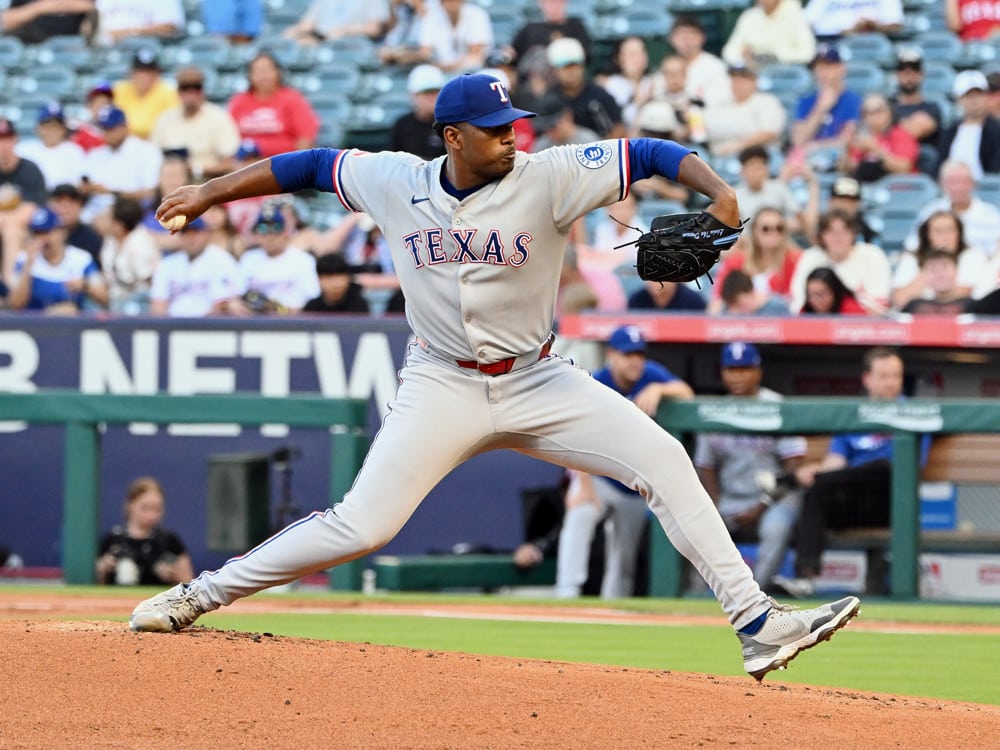
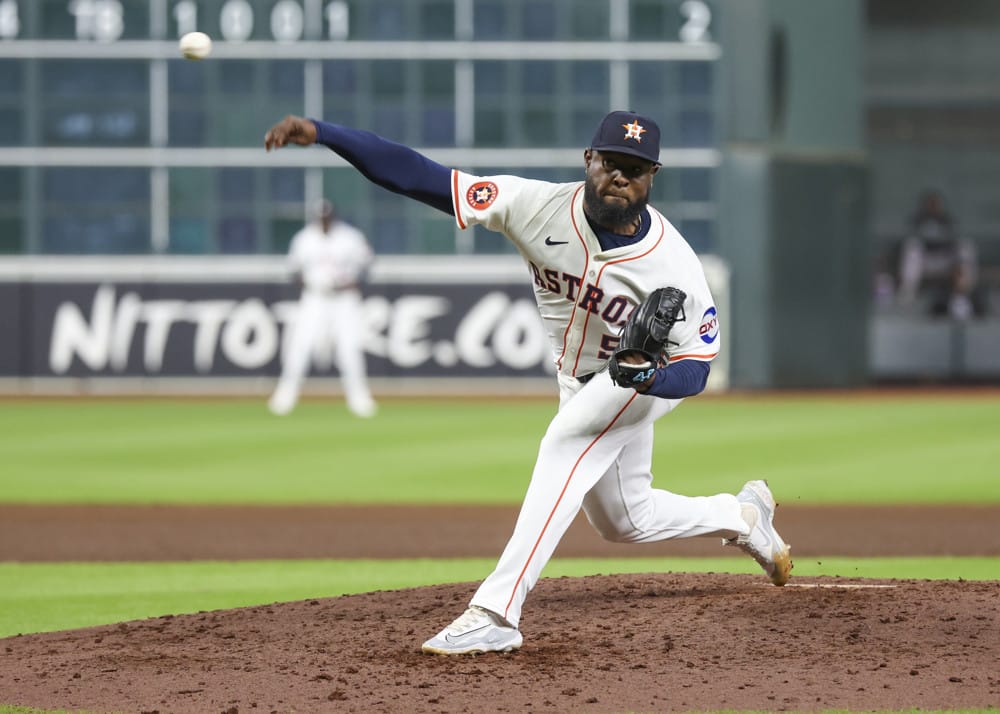
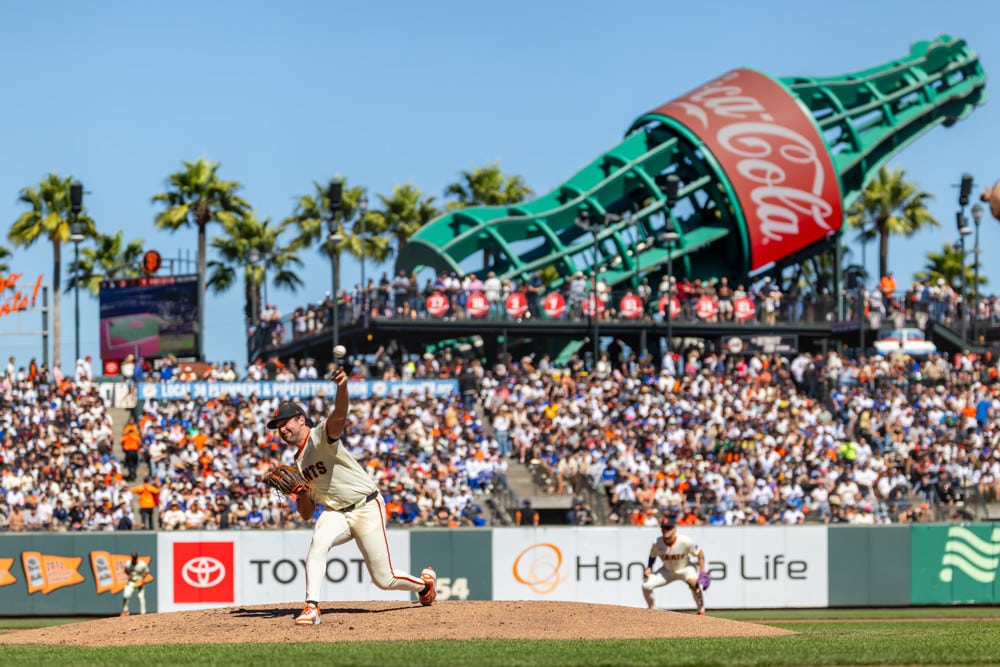
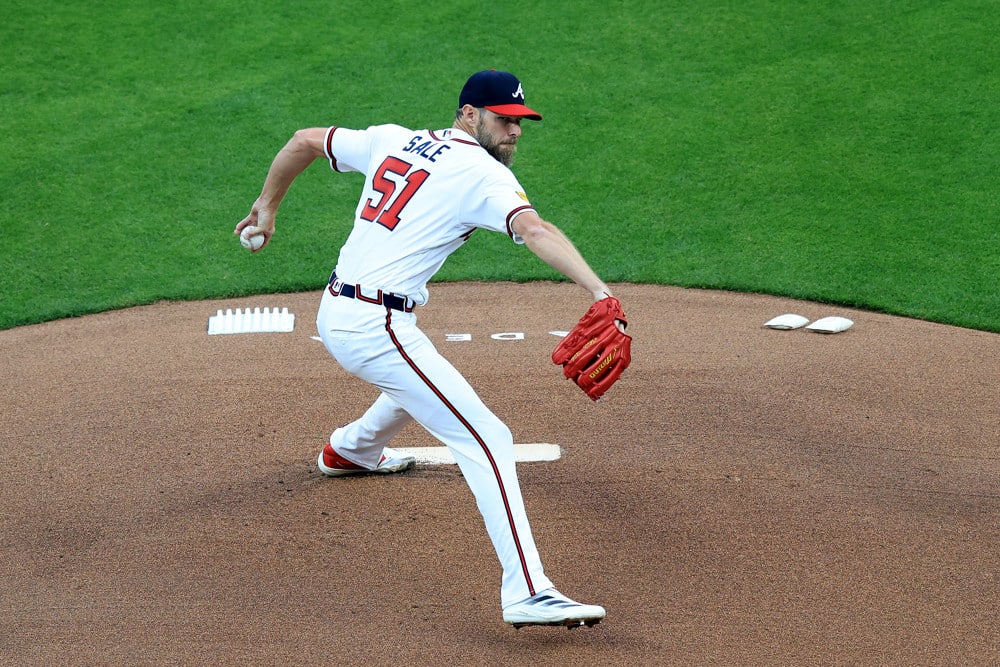
A prop usually starts with a read. You see a number and decide whether it makes sense. Maybe an NBA guard’s assists line is too low because a teammate is out. Maybe an NFL receiver has a favorable matchup. Maybe an MLB strikeout total looks too high because the pitcher may not work deep into the game. There is an angle, a number, and a reason to care.
That matters because it gives the bettor a framework. Even when the wager loses, there are still stats to review. Was the handicap sharp? Did the market move the same way? Props reward attention and strategic decisions, even when variance wins.
In a slot, you can choose the game, the stake, and how much of your bankroll you want in play, but the feature itself is not something you handicap into existence. You don’t beat it with timing, compare it across books, or find a soft line before the market adjusts. You spin until the game decides to unlock the feature.
That element of mechanical luck shifts the player from analyst to participant. The anticipation is still there, but it comes from access rather than opinion. You aren’t waiting to see whether your read was right. You’re waiting to see whether the feature appears at all.
Why the Overlap Feels Stronger Than It Is
Both formats sell a smaller event inside a bigger frame. That part is true.
A same-game prop on a running back’s longest rush isolates one detail and turns it into the whole point of attention. A bonus screen with three scatters does something similar by pulling attention away from the base reels and into a feature that can suddenly change the session. That’s the hook in both cases.
However, props are still closer to markets. There is room for judgment, timing, and selectivity. You can pass when the number is bad and strike when it is good. A bettor can take an anytime touchdown price early in the week, then watch the market shorten by Sunday morning and know the better number was captured. That strategic layer is what keeps sports betting from feeling purely random, even when variance is brutal. Slot features do not offer the same dynamic. You can prefer certain mechanics or volatility profiles, but that is not the same as building a position from information. It’s closer to entering a sequence and waiting for the designed event to happen. A prop can stay with you all night. You watch possessions, snap counts, foul trouble, substitutions, and shot volume because every shift can change the outcome.
A bonus round, on the other hand, is more abrupt. The base game rolls along, then the screen changes, the reels expand, or the wilds lock in place. The message is obvious: normal play is over for a moment, and now you are in the part with the bigger ceiling.
However, the emotional swing is where the two formats line up again. A prop can look perfect before kickoff and still die because the game script breaks the wrong way. A rebounds bet can get wrecked by foul trouble. A strikeout over can collapse because a pitcher is too efficient to build a count. Slots create the same emotional snap. You finally get the feature you were chasing, and it pays almost nothing. Or it retriggers and rescues the session. Different mechanics, same punch.
What This Means for Players
Props ask for a take, while slot features ask for patience. Both create tension by narrowing the action to one moment, but they get there differently. If you like reading numbers, tracking movement, and beating a price before it shifts, props will feel more natural. If you want something simpler and more self-contained, bonus rounds offer a different appeal. In 2026, both are built around the same lesson: users want a clear hook, a short path to tension, and one moment that feels bigger than everything around it.