

 What does it take for a player to still hold the spotlight over a decade after his last NBA game? For Nate Robinson, it’s what he’s willing to say now that the lights are off. Today, fans don’t just watch games. They follow interviews, tune into podcasts, and scroll through full transcripts. They want to hear athletes speak directly. They want stories that were never told during postgame media scrums.
So how do these stories get out? It’s not always ESPN or the big networks anymore. Some platforms tied to gambling and crypto are beginning to open space for athletes to talk, unfiltered and at length. That’s what happened here.
The conversation at the center of this story came from a sit-down with the newly launched crypto gambling platform mBit Casino, which hosted Robinson and let the discussion stretch far beyond typical sports talk. Interaction with fans isn’t limited to odds and picks anymore. Connection builds influence, and people pay attention when players finally say what they couldn’t before.
Source: Pixabay.com
One Missed Game, One Lost Bonus, and a Decade of Doubt
How many players carry a single DNP for over a decade? Robinson does. He remembers it not because it embarrassed him, but because it cost him something real. In the season after Boston’s Finals run, he was one game away from unlocking a $1.6 million bonus. He never got that game. He never saw that money.
He says the decision felt intentional. Not just a lineup call. A choice. His belief? Doc Rivers knew exactly what was at stake and chose to sit him anyway. What does that say about trust in a locker room? What does it say about power when a coach can shut a door like that, no matter what a contract says?
This wasn’t a rookie hoping for a two‑way deal. Robinson had already proven himself as a high‑impact guard off the bench. He knew his role. He knew the rotation. He knew what that money could’ve meant for his future. Yet it never came.
He brings up another coaching choice, one that still echoes in fan conversations: the rotation in Game 7 of the 2010 NBA Finals. Could a few more minutes for him and Glen Davis have swung that night? Could the Celtics have taken that title from the Lakers? He doesn’t claim they would’ve won. But the question hangs there, heavy and unanswered.
The Bonds That Survived the Losses
Not everything from that Celtics era brings frustration. Robinson talks about that locker room with something close to reverence. He calls it one of the most electric environments he’s ever been in. Garnett, Pierce, Ray Allen, Rondo, those weren’t just names to him. They were part of a rhythm, a system that worked, a culture that didn’t need explanation.
His relationship with Glen Davis, though, stands out the most. They celebrated, fought, and motivated each other. He recalls the moment when Davis scored through contact during the Finals, and Robinson jumped on his back like a kid riding a teammate into war. The cameras caught it. So did the crowd. It was pure, unforced chemistry.
What does it mean to be part of a team where everyone believes they belong? For Robinson, it wasn’t just about getting minutes. It was about knowing that even as a role player, he had a place in a Finals team narrative. That sense of belonging didn’t come often in his career. When it did, he remembered.
Today’s League, Smaller Guards, and Who Gets Believed
The league has changed, but not as much as people think. Robinson knows that size has always been used as a limit. He never expected the NBA to favor small guards. He just expected coaches to recognize what he could do anyway.
So when Kevin Durant said that guards under 6’2″ don’t get trusted in the playoffs, Robinson didn’t flinch. He understood. But he didn’t agree. Trust doesn’t start with the box score. It starts with who the system was built for.
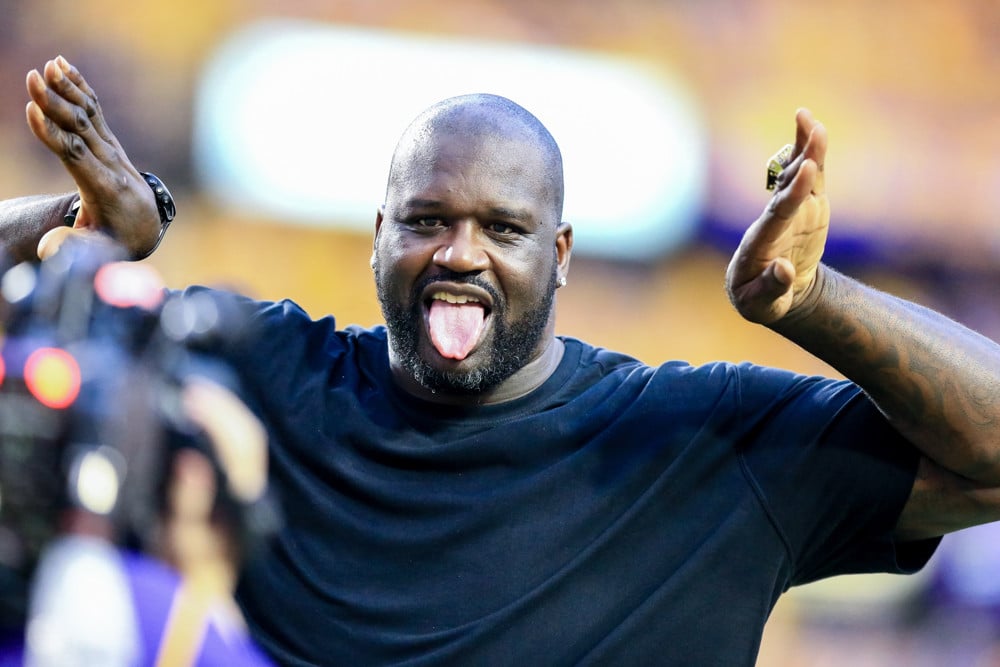
Robinson made impact plays despite the odds. He blocked Yao Ming. He blocked Shaq. He dunked over Dwight Howard. None of it should’ve been possible. But it happened. So why does the league still hesitate to give shorter players full control? Maybe it’s less about skill and more about narrative.
Curry, Jordan, and the Standards That Don’t Shift
Robinson isn’t chasing debate when he calls Michael Jordan the GOAT. He just says what he sees. The mentality Jordan had, that constant readiness to kill a game off, not care what people thought, meant more to Robinson than any stat line. It wasn’t about image. It was about the edge.
He puts Kobe Bryant in that same category. Mentality again. Ruthlessness. Isolation. Pressure. Not every player could handle that. Not every era produced that.
But he saves some of his sharpest praise for Steph Curry. He remembers training with Curry in his early years. The workouts were brutal. Not for the cameras. Not for social media. Just work. That’s what made the dancing, the long threes, and the sideline smiles possible.
He even goes further. Curry’s not done. He picks Steph as an MVP candidate for this season, his 17th in the league. He predicts crazy numbers. High shooting splits across the board. Why? Because the work hasn’t stopped.
Underdog Rules and the Legacy That Keeps Talking
What should Nate Robinson’s legacy be? A dunk contest winner? A role player with three‑team stints? Or the guy who blocked Shaq and then needed a transplant?
He doesn’t answer that question outright. But his interview fills in the blanks. He wants people to see the through-line. The kid who watched Allen Iverson and believed he could fit. The man who kept going after every team told him his size would never hold.
He says coaching is next. Maybe high school. Maybe college. He wants to start at the bottom again. That part’s familiar. But this time, the story’s bigger than basketball. It’s about health. Belief. What you do when nobody’s listening and what you say once they finally are.
Robinson doesn’t look back with regret. He looks back with context. That makes all the difference.