


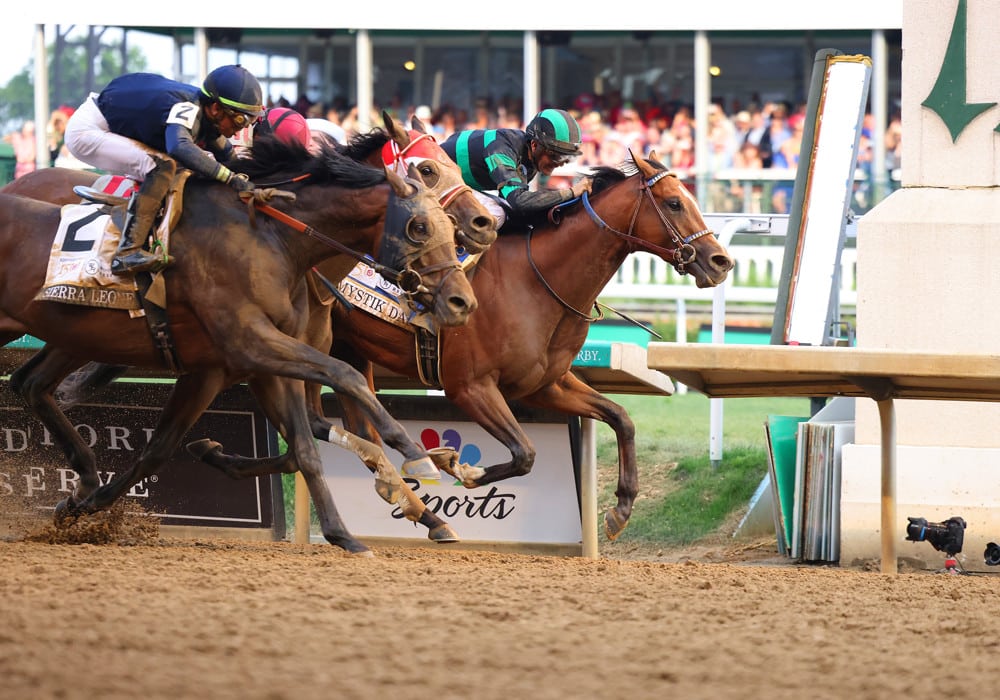
 Horse racing is a very important part of Australia’s sporting culture, but its place in modern society is more complicated than it once was. For generations, racetracks were social destinations where sport, fashion and community came together.
Events like the Melbourne Cup are still highly popular with the horse racing odds attracting plenty of attention, but public sentiment toward racing has changed somewhat. There are growing concerns around animal welfare, changing gambling habits and the appeal of newer sports have impacted racegoing numbers.
While racing remains popular in parts of the country, particularly in Victoria and New South Wales, it now exists under far greater scrutiny. This changing reputation helps to explain the possible closure of Moonee Valley Racecourse.
The Moonee Valley Racecourse is under threat of closure
The Moonee Valley Racecourse is affectionately known as “The Valley” and is facing the very real prospect of closure. Both racing authorities and stakeholders are considering its long-term viability.
The track is located just six kilometres from Melbourne’s CBD and the track sits on land that has become incredibly valuable. This makes it prime real estate in a city that is quickly expanding.
One of the top reasons behind the potential closure is financial sustainability. Maintaining an ageing racetrack in an urban area comes with huge costs.
Infrastructure upgrades, safety compliance and modern facility expectations require significant investment. For the Racing Victoria and the Moonee Valley Racing Club, the question has become whether pouring money into an aging venue is worth it.
Especially when audience numbers are gradually declining and alternative tracks can host meetings more efficiently.
Another factor in the decision is consolidation. Victorian racing already operates multiple metropolitan tracks, including Flemington and Caulfield.
The racing calendars are becoming increasingly crowded and broadcasting now is driving revenue more than on-track attendance. This means that fewer venues are needed to stage the same number of meetings.
From a strategic point of view, this means Moonee Valley is a less important venue.
Urban pressure also plays a role. The number of residential developments around the track has grown. This is bringing noise complaints, traffic issues and planning challenges. The racetrack was once surrounded by open land but it now sits beside housing, shopping districts and schools.
Balancing racing competitions with the local community’s expectations is getting harder each year.
The history of Moonee Valley Horse Racing Track
Part of what makes the possible closure of Moonee Valley so hard for fans to accept is its long and interesting history. Established in 1883, the track has been an important part of Australian racing culture for more than 140 years.
Its unique night meetings, tight turns and cosy viewing areas have given it a character unlike any other racetrack in the country.
Moonee Valley is best known as the home of the Cox Plate, which is often described as Australia’s greatest weight-for-age race. Since 1922, this race has been run almost exclusively at The Valley.
Champions including Winx, Kingston Town, Sunline, and Phar Lap have all created their legacy there. The encouragement from the crowd as horses race around the final bend is part of racing history.
Other than the Cox Plate, Moonee Valley has hosted many memorable moments. Night racing under lights transformed the venue and attracted after-work crowds. This introduced a more relaxed feel to the sport.
For many Melburnians, a warm Friday night at The Valley was their first experience of live racing.
The track’s design is also well liked. Unlike larger racecourses, Moonee Valley puts fans close to the action. The short straight, the camber of the turns and the focus on tactical riding created challenging races.
There is a cultural cost to the closure of Moonee Valley. The track is reminiscent of a time when racing was very local and when clubs had very local following. During this time crowds felt ownership over their venues.
The closure of the track risks losing this for many local people.
However, supporters of the closure feel that preserving history is not more important than securing the sport’s longevity. They believe that redevelopment could fund better facilities elsewhere and help ensure racing survives in a quickly changing industry.
Final thoughts
The possible closure of Moonee Valley Racecourse represents the crossroads at which Australian horse racing now stands. Public attitudes have changed and the economy is struggling.
This means that hard decisions must be made about what the sport should look like in the years ahead.
The track’s significant history and cultural importance make it more than just another racetrack. Whether the gates eventually shut for good or the venue finds a new role, Moonee Valley’s will always have its legacy.
The sport must ensure that as Australian racing evolves, it doesn’t forget the places that made it what it is today.