

March Madness always brings surprises, but this season’s field has an unusual level of depth. Several teams have the talent, coaching, and identity to navigate the chaos of the bracket.
Each enters the tournament with a clear path to a championship, and every contender in this group has the blend of experience, tempo control, and defensive structure required to survive six elimination games.
With multiple styles capable of winning the title, this year’s race feels wide open.
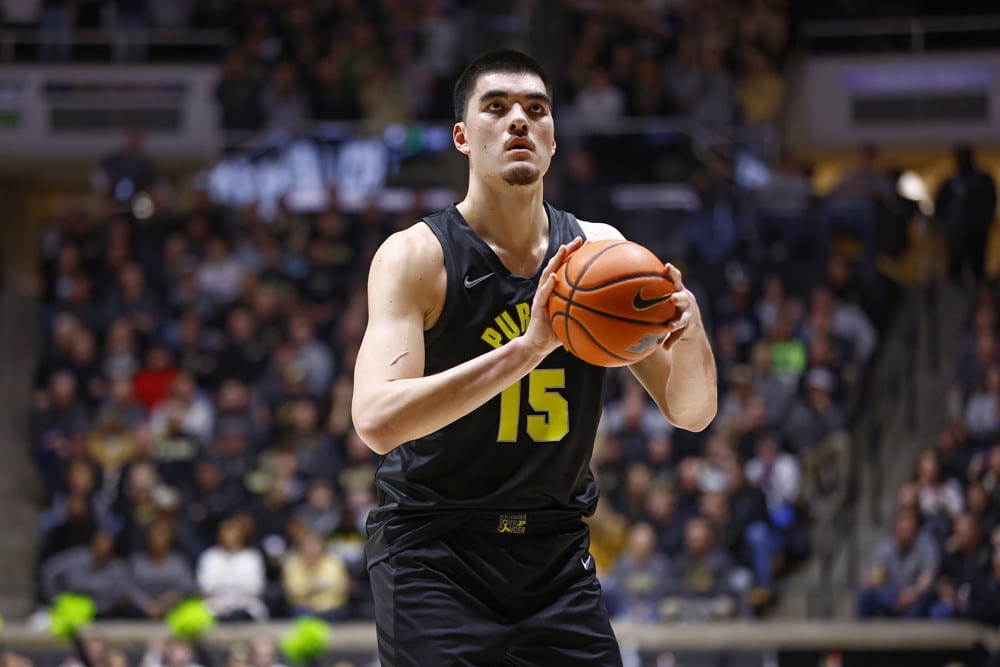
Purdue Boilermakers
Purdue enters March with a more complete roster than the group that fell short a year ago. Their inside-out structure gives them the steady possessions needed for tournament success, and the improved guard play brings composure in late-game situations. The Boilermakers’ shooters space the floor effectively, forcing opponents to pick their poison.
Some of the strengths that elevate Purdue are:
- Efficient three-point shooting around a dominant post presence,
- Guards who protect the ball and manage pressure,
- A deeper rotation that supports their defensive structure.
Purdue’s ability to maintain rhythm through foul trouble or lineup changes may be their biggest improvement. Their bench players understand their roles, and their transition defense has tightened, patching a previous concern. When the game slows, Purdue’s control of the half-court gives them a reliable advantage.
Arizona Wildcats
Arizona threatens opponents with pace and versatility. Their transition game is among the best in the country, and the roster’s athletic length creates mismatches all over the floor.
When Arizona controls tempo, they can turn any game into a track meet. Their bigs offer inside scoring but also pull defenders out to the perimeter, giving the guards space to operate.
Arizona’s strengths include their point guard play, rebounding, and on-court leadership. Their adaptability also stands out. They can win shootouts or grind out half-court possessions depending on matchups.
Fans interested in comparing how tempo-driven teams are performing can explore FanDuel Research for even more insight into what’s fuelling top contenders.
Houston Cougars
Houston’s identity is built on toughness. Their physical defense forces opponents into rushed decisions, and their rebounding effort shuts down second-chance points. The Cougars create advantages by winning the gritty parts of the game: loose balls, contested shots, and pressure on the perimeter.
Houston is dangerous because they have a defensive culture that rarely cracks, guards who value each possession, and a disciplined half-court approach.
The team thrives in slower, controlled games because their execution rarely dips. Teams that rely heavily on perimeter creation often struggle to find clean looks, and Houston has the patience to grind out close finishes.
The latest NBA odds offer useful insights and context into how defense-first teams influence scoring outcomes at higher levels.
Alabama Crimson Tide
Alabama brings a modern offensive attack to the table. They spread the floor, shoot confidently from deep, and push tempo whenever opportunities appear. Their willingness to let it fly from beyond the arc creates volatility that can overwhelm opponents on a hot shooting night.
Alabama is an evolving threat because it has one of the most explosive offenses in the field, strong spacing that opens driving lanes, and a tempo that forces opponents into uncomfortable transitions.
When Alabama hits early threes, their spacing reshapes the entire game. Their athletes can turn defensive rebounds into quick strikes, and their ball movement keeps defenders rotating.
While their defense can fluctuate, the offense has the firepower to make them a dangerous team to face.
UConn Huskies
UConn remains one of the most balanced teams in the tournament. Their offense is efficient, their defense is organized, and their rotations run smoothly regardless of opponent style. The Huskies rarely get rattled because of their structured half-court sets and reliable shooting.
What sets UConn apart? Their steady offense built on smart reads, strong rim protection, and shooters who stay composed under pressure.
UConn’s discipline shows in tight moments. They move the ball with maturity, avoid unnecessary risks, and understand how to control late-game possessions. Their defensive communication also limits breakdowns, making them difficult to chase once they build a lead.
Louisville Cardinals
Louisville has rebuilt its roster with a more modern, athletic approach. Their length on the wings creates defensive versatility, and the offense has improved spacing that allows for better shot creation.
The Cardinals have focused on developing reliable secondary scoring options, which gives them more flexibility across different matchups.
Increased athleticism and depth at key positions are why Louisville belongs on the list. They also have a more structured offensive rhythm and a defense capable of handling multiple styles.
Louisville’s rise is tied to consistency. Their rotation length gives them the stamina needed for tournament play, and the improved ball movement allows them to generate good looks without relying on a single scorer.
If they continue to grow on the defensive end, their ceiling is higher than many expected.
Duke Blue Devils
Duke enters March with a blend of youthful talent and seasoned leadership. Their offense balances individual creation with smart spacing, and their size on the perimeter helps limit second-chance points.
Duke’s adaptability makes them dangerous in both high-tempo games and slower half-court battles.
Why Duke can make a deep run:
- Versatile wings who defend multiple positions,
- Young scorers who can heat up quickly,
- A rotation that blends energy with experience.
Duke’s biggest strength is its balance. They can score from the post, beat defenders off the dribble, or catch fire from three. When their defense tightens, they have the tools to go toe-to-toe with any contender in the field.
The Road Ahead
This field includes a variety of paths to a championship. Some teams rely on pace, others on defense, and several win with structured execution.
The tournament will favor whichever program stays consistent, handles momentum swings, and adapts to the unique pressure of the bracket.
With the blend of talent and identity these contenders bring, the stage is set for a memorable finish to the season.
*Content reflects information available as of 2025/12/02; subject to change.