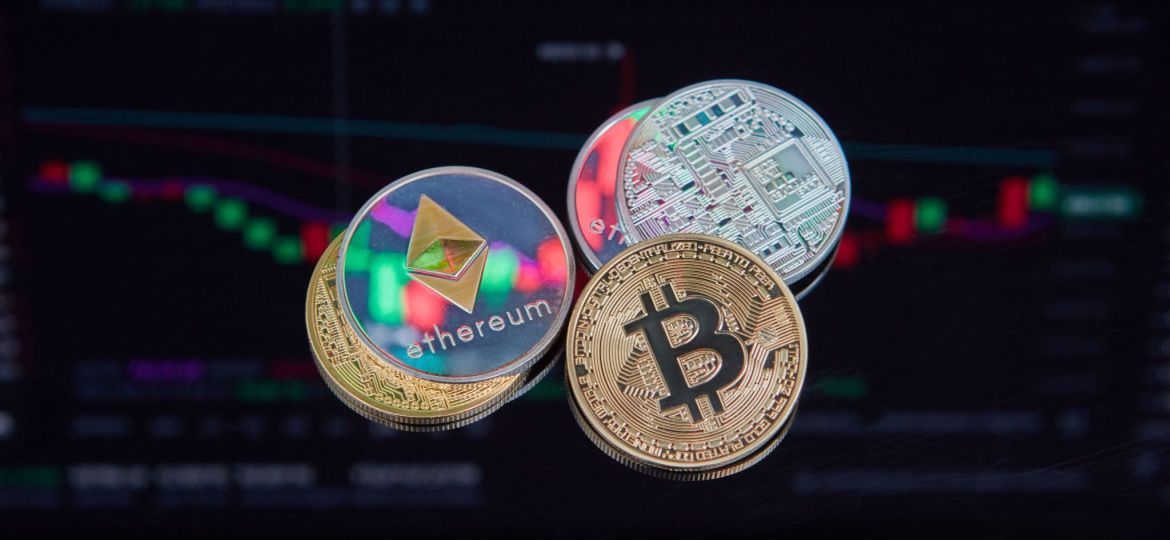



A Bitcoin bull market can change how cryptocurrency holders approach online casino payments, particularly when the value of their digital assets rises. For players exploring top-tier Bitcoin gambling sites, these market movements raise important questions about crypto-denominated balances, deposit bonuses, withdrawal speeds, and the impact of price volatility on their funds.
While rising Bitcoin prices may increase the fiat value of BTC holdings, gambling outcomes remain independent of market performance. This guide explains how crypto casino payments work during a bull market, how to evaluate bonuses and payouts, and what to consider when managing a cryptocurrency bankroll.
Does a Bitcoin Bull Market Actually Improve Casino Returns?
An important distinction for any professional gambler is that holding an appreciating asset does not automatically improve gambling profitability. Cryptocurrency price movements and casino game outcomes are separate financial variables. A rising Bitcoin price does not improve winning probabilities, reduce the house edge, or guarantee better gambling returns.
Separating Asset Appreciation from Casino Outcomes
- Crypto Asset Volatility: If Bitcoin appreciates in market value, your holding gains value in fiat terms whether it is sitting in a private wallet or deposited at an online sportsbook.
- Negative Expected Return (House Edge): Casino games are mathematically designed with a built-in house advantage. Playing slots, table games, or sports betting carries an expected financial loss over time regardless of whether your stakes are in USD, BTC, or ETH.
Illustrative Scenario: BTC Appreciation vs. Gambling Performance
Consider a player starting with a bankroll worth $1,000 in Bitcoin:
| Scenario | BTC Market Movement | Gambling Outcome (in BTC) | Final Fiat-Equivalent Value |
|---|---|---|---|
| No Gambling | +20% Price Rise | 0% Gain/Loss | $1,200 |
| Winning Session | +20% Price Rise | +10% BTC Win | $1,320 |
| Losing Session | +20% Price Rise | -25% BTC Loss | $900 |
If Bitcoin appreciates by 20%, the fiat value of an unchanged BTC balance increases by 20%. Any additional betting profits or losses must be calculated separately. Even a positive betting win rate can produce an overall loss when the odds and amounts wagered are taken into account. Furthermore, if a player loses 25% of their BTC holdings through gambling, their final fiat balance drops to $900 despite the 20% market rally.
Bitcoin vs. Stablecoins: Understanding Volatility & Casino Balances
Understanding how a casino manages deposits is essential to evaluating risk. Not all operators hold balances in original cryptocurrencies.
Volatile Cryptocurrencies vs. Stablecoins
- Volatile Digital Assets: Bitcoin (BTC), Ethereum (ETH), and Solana (SOL) are volatile cryptocurrencies whose market values can rise or fall substantially. Holding them exposes player balances to broader market fluctuations during gameplay.
- Dollar-Pegged Stablecoins: Dollar-pegged stablecoins such as Tether (USDT) and USD Coin (USDC) are designed to maintain a relatively stable value, although they carry issuer, reserve, redemption, and depegging risks.
Casino Account Denomination Models
- Crypto-Denominated Accounts: Deposits remain in BTC/ETH. Wagers and payouts stay in crypto, exposing your balance to full crypto price movements.
- Immediate Fiat Conversion: Some operators automatically convert crypto deposits into USD, EUR, or native fiat credits upon receipt, locking in fiat value at the time of deposit and removing exposure to market rallies or drops during session play.
- Internal Token Systems: Certain platforms convert funds into internal proprietary credits or tokens, which carry operator liquidity and redemption risks.
Evaluating Crypto Casino Bonuses and Wagering Requirements
Promotional packages on crypto-friendly platforms often feature large headline match percentages, but their true financial value depends on the underlying terms and conditions.
Beyond Headline Percentages
Some crypto casinos advertise larger deposit-match percentages than their standard payment offers. However, the headline percentage alone does not determine bonus value. Players should compare wagering requirements, eligible games, maximum bets, withdrawal restrictions, and the amount of real money required to qualify.
House Edge and Bonus Clearing Realities
Games with higher published Return-to-Player (RTP) percentages generally have lower theoretical house edges, but they still involve the possibility of losing money. A slot with 96% RTP has an expected loss of approximately $4 per $100 wagered over a sufficiently large number of plays. Actual short-term outcomes can vary significantly, and bonus terms may exclude certain games or reduce their wagering contribution (e.g., table games like blackjack contributing only 5% to 10% toward wagering goals).
Rakeback, Loyalty Rewards, and On-Chain Staking
Many platforms feature loyalty rewards programs to return a portion of theoretical house edge to frequent players:
- Rakeback & Cashback: Daily or weekly rebates return a small percentage of theoretical house edge or net losses to the player balance. While helpful in mitigating losses slightly, rakeback does not turn a negative-EV game into a positive-EV investment.
- On-Chain Loyalty Tokens: Select platforms offer casino-linked staking tokens. Players should exercise caution, as token staking introduces liquidity, smart-contract, counterparty, and token price devaluation risks.
Crypto Withdrawal Speeds, Processing Times, and Fees
Transaction speed is frequently cited as a primary advantage of cryptocurrency cashier rails, but approval workflows differ from blockchain network settlement.
Approval Approval vs. Blockchain Settlement
Cryptocurrency withdrawals can settle relatively quickly once the casino approves and broadcasts the transaction. However, total payout time depends on the operator’s internal approval process, identity checks (KYC), network congestion, transaction fees, and required blockchain confirmations. Bitcoin transfers may take longer than payments through certain faster blockchain networks depending on mempool congestion.
Bankroll Management & Risk Mitigation
Maintaining structured control over funds prevents market volatility and short-term losses from eroding capital.
Practical Risk Rules (Illustrative)
- Separate Active Balances: Keep core holdings in private cold storage and transfer only intended wagering units to casino hot wallets.
- Skimming Rules: Periodically routing profits or a portion of appreciated balances into stablecoins (USDT/USDC) or self-custodial wallets can help lock in fiat value, though it does not change the mathematical expectation of future bets.
Provably Fair Verification & Sportsbook Odds
Technological features vary widely across platforms and require realistic scrutiny:
- Provably Fair Systems: Some crypto casino games use provably fair systems based on cryptographic commitments, server seeds, client seeds, and nonces. These mechanisms can allow players to verify particular game outcomes against disclosed algorithms. However, the availability and quality of these systems vary, and provably fair verification does not replace independent testing, licensing checks, or scrutiny of the game’s house edge.
- Sportsbook Markets: Some crypto sportsbooks offer competitive odds, alternative markets, and cryptocurrency payment options. However, pricing varies by operator and event, and crypto-based services remain subject to applicable gambling laws and geographic restrictions. Players should compare the actual odds and licensing status rather than assuming crypto sportsbooks offer better value.
Legal, Regulatory, and Responsible Gambling Risks
- Regulatory Status & Licensing: Cryptocurrency payments do not exempt operators or players from legal requirements. Always check local laws regarding online gambling and verify operator licenses.
- VPN & Terms of Service: Utilizing VPNs to bypass geographic restrictions often violates casino Terms of Service, which can result in account forfeiture and blocked withdrawals.
- Responsible Gambling: Gambling should strictly be approached as entertainment, not as an investment or wealth-generation strategy. Set strict limits, never gamble with funds needed for essential expenses, and access support resources if gaming stops being fun.
Conclusion
Understanding crypto-native online gaming requires distinguishing between asset appreciation and game math. While digital cashier rails offer processing flexibility and alternative promotion options, house edges remain constant. Players who choose to participate should focus on clear bonus terms, verifiable operator licensing, robust security practices, and responsible bankroll discipline.