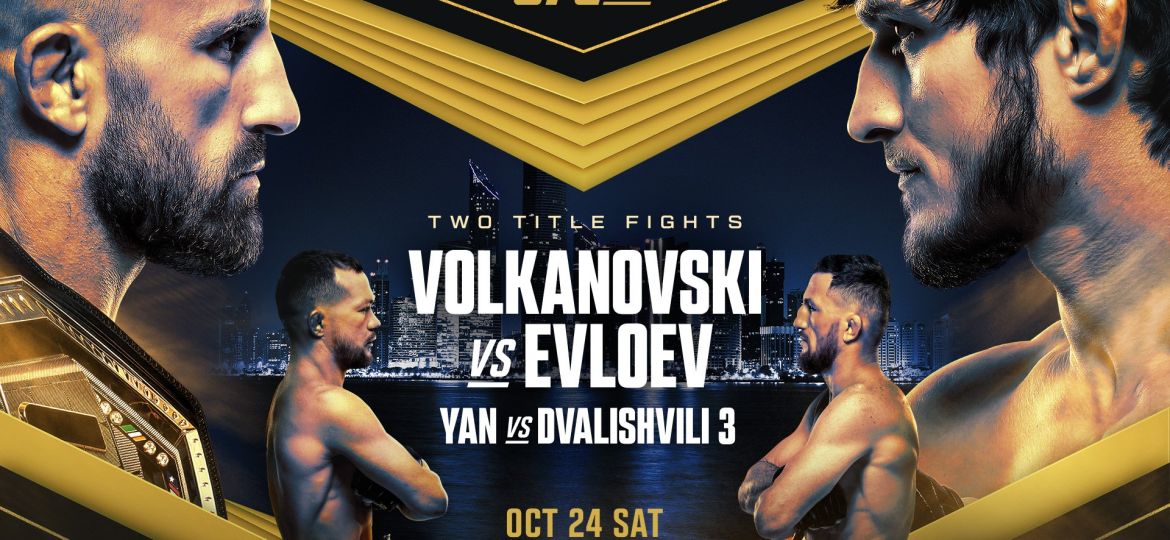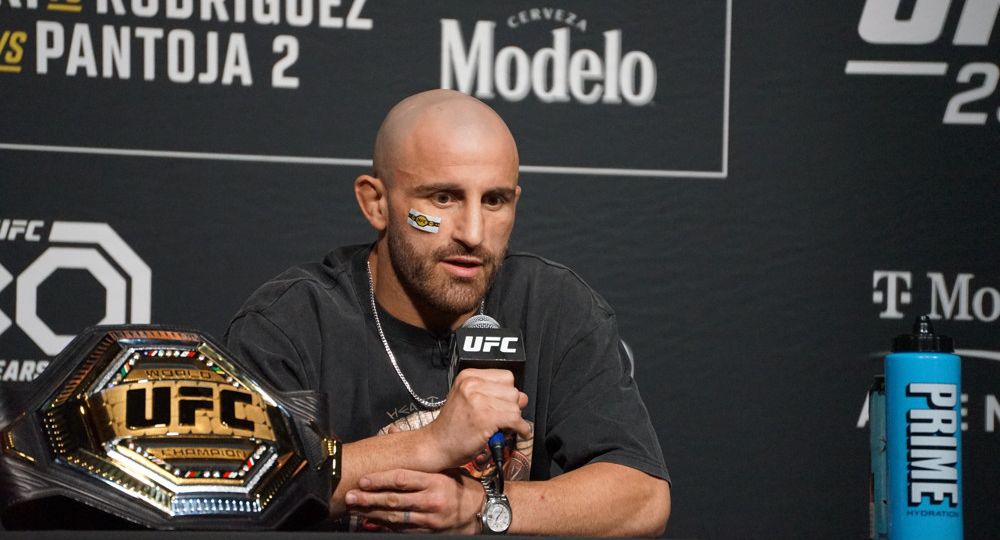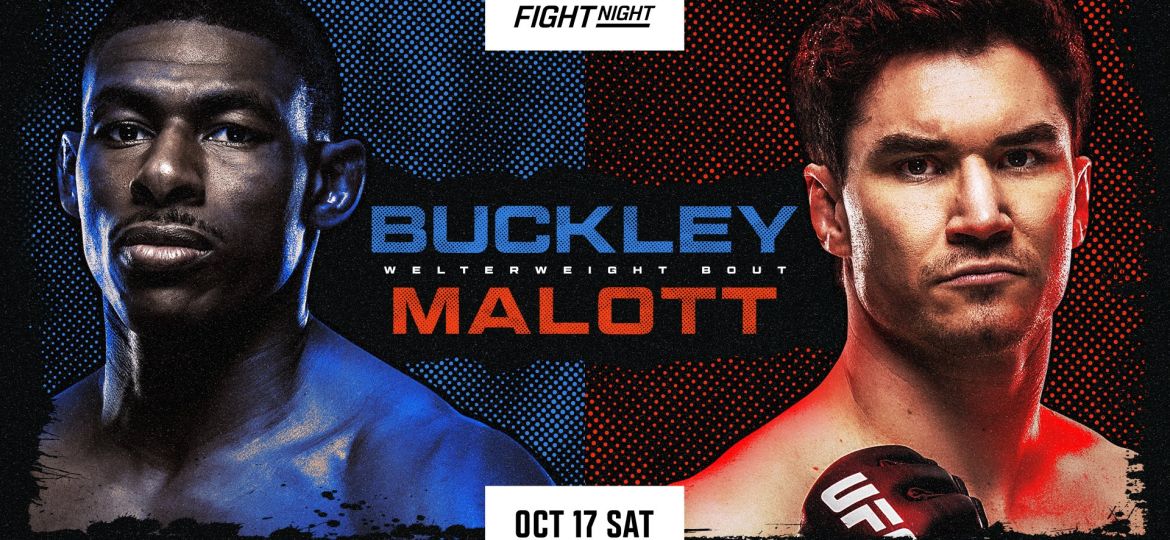


Pro wrestling and MMA get treated as opposite ends of the combat sports spectrum — one scripted, one shoot — but the crossover between the two audiences, and increasingly the athletes themselves, is a lot deeper than the surface-level rivalry between fanbases would suggest. Brock Lesnar’s run from WWE to a UFC heavyweight title remains the most famous example, but he’s far from the only one, and the traffic has run in both directions for years.
That crossover shows up in betting markets too. A dedicated mma betting site gives fans a place to follow exactly the kind of storylines that make this crossover interesting — odds on a former wrestler’s UFC debut carry a different kind of intrigue than a lifelong specialist’s fight, since the audience bringing pre-existing name recognition to the octagon changes how a fight gets bet on and discussed.
Why the pipeline exists in the first place
Wrestling promotions have long recruited athletes with legitimate combat sports or amateur wrestling backgrounds — it’s part of why so many pro wrestlers already have the physical tools MMA demands before they ever set foot in a cage. Ronda Rousey’s move the other direction, from UFC champion to WWE headliner, showed the pipeline works both ways, and it wasn’t a novelty booking so much as a genuine crossover of two overlapping fanbases that had been watching each other’s product for years already.
The betting angle makes the crossover more interesting, not less
Skeptics sometimes argue that betting markets shouldn’t get involved in what’s fundamentally a mix of legitimate athletic crossover and pure spectacle. In practice, the opposite tends to be true: a betting market forces a level of honest assessment onto a fighter’s chances that pure hype cycles don’t always provide. A wrestler-turned-fighter with a lot of name recognition but an unproven record won’t automatically get priced as a favorite just because fans like him — the market prices in the same skepticism a knowledgeable analyst would bring to any UFC debut. Brock Lesnar’s own transition remains the clearest case study: despite his WWE fame, oddsmakers and analysts treated his early UFC bouts with real caution until he actually proved himself inside the octagon.
What to watch for going forward
The pipeline shows no sign of slowing down. Combat sports promotions continue to see value in athletes who can move between disciplines, and crossover events — whether that’s a wrestler testing MMA or an MMA fighter working a wrestling program — keep generating exactly the kind of attention that makes both audiences pay closer notice than they would to an ordinary card. For fans who’ve followed both worlds for years, that overlap isn’t a gimmick; it’s just been part of how these two industries have always fed off each other. Regular listeners of the Sports Gambling Podcast will recognize this as one of those storylines that keeps resurfacing every time a new crossover name gets floated for a debut.
Whatever side of the wrestling-versus-shoot debate someone lands on, the roster of athletes who’ve crossed that line successfully keeps growing, and the audience following both worlds closely is bigger than either side likes to admit.