

Texas Hold’Em poker is one of the most popular forms of poker. However, there’s a big difference between sitting in your friend’s basement, bluffing the clowns you’ve known for years, and sitting at the casino. Texas Hold’Em Strategies form the foundation of consistent success. Whether you play online or in live rooms, understanding the core principles will help you make better decisions under pressure. This is more for beginners or intermediate players, but may be a good refresher for the seasoned vets as well. Let’s take a look at some of the ins and outs.

Mastering Texas Hold’Em Poker: Strategies and Tips To Win
What Is Texas Hold’Em Poker?
Texas Hold’em Poker is a community-card poker variant. Each player receives two private hole cards. Five community cards are then dealt face-up in stages and shared by everyone at the table. The goal is to make the best five-card hand using any combination of your hole cards and the community cards. Or, to force your opponents to fold through betting.
The game uses a standard 52-card deck and seats between two and ten players. Two forced bets, the small and big blind, start the action. Play always begins with the player to the left of the big blind. There are a couple of different betting rounds, and they follow a fixed structure. Players may fold, call, raise, or check when no bet is pending.
The player who builds the strongest hand or remains after all others fold wins the pot. Hand rankings follow the traditional poker order. A royal flush is the best hand. Just having the high card is the bottom. This straightforward format creates strategic layers once the cards are dealt.
How To Play
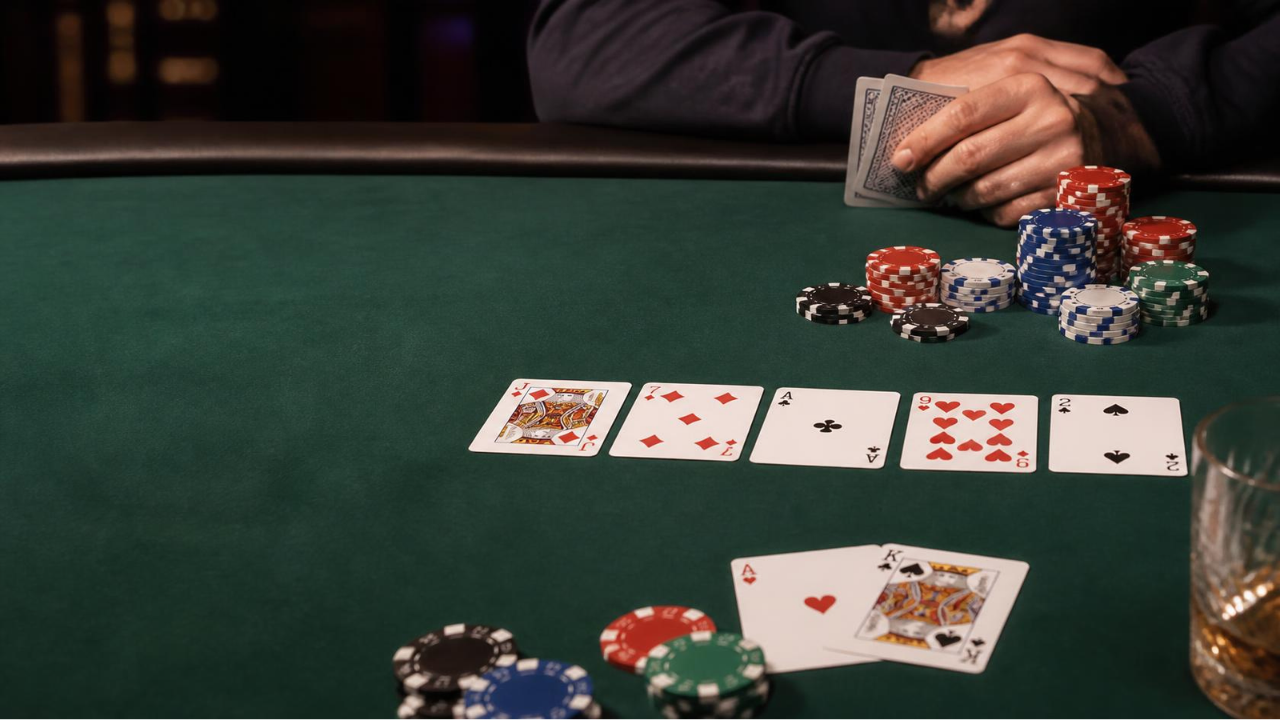
After the hole cards are dealt, the first round (pre-flop) occurs. Once that action closes, the dealer reveals the flop. The flop consists of three community cards. A second betting round then follows. After that betting round comes the turn, which is the fourth community card. Bettors then proceed with another round of betting.
Finally, the river appears. This is the fifth and last community card. There is one more round of betting to follow. If two or more players remain, a showdown decides the winner by flipping your two hole cards and comparing the best five-card combination.
To play correctly, always act in turn and observe table position. Early position requires tighter decisions because many players act after you. Middle and late positions allow more flexibility. Track the pot size, remaining stack sizes, and any prior action. These elements shape every choice you will be making. Practice the sequence until the flow feels natural. Mastering the rhythm of the game lets you focus on decisions rather than the procedure.
Essential Texas Hold’Em Poker Strategies
Strong Texas Hold’Em Poker strategies begin with starting-hand selection. It’s important not to be too eager to bluff if you’re a beginner. Play premium pairs, high-suited connectors, and strong cards from your early position. Expand your range in late positions when fewer players remain to act.
Remember that your position is power. Acting last gives information about opponents’ intentions and lets you control the pot size. You should always calculate the pot odds before calling draws. Compare the cost of a call to the potential reward. If the odds justify the risk, continue. Otherwise, get comfortable folding. Knowing when to fold can keep you in the game longer than you would expect.
Avoid chasing weak draws simply because the pot looks large. You should always value bet strong hands for maximum extraction and size bets according to opponent tendencies. Your goal is to not push anybody to fold too soon. Consistent application of these strategies helps improve long-term results more than random winning hands of luck.
Winning Approaches
Refine Texas Hold’em Poker strategies by studying opponent patterns. Note who over-folds to aggression and who calls too often. Often try to figure out who rarely bluffs and who bluffs the majority of the time. Learning these things about your opponents can help adjust your range. Value-bet thinner against calling stations and bluff more often against tight players.
As with all casino games, manage your bankroll carefully. Discipline will keep you in the game during inevitable downswings. There will be times when you’re getting cards like a two and a six right after having a three and an eight. It happens. You should practice patience. Many pots are won by folding correctly rather than forcing action.