


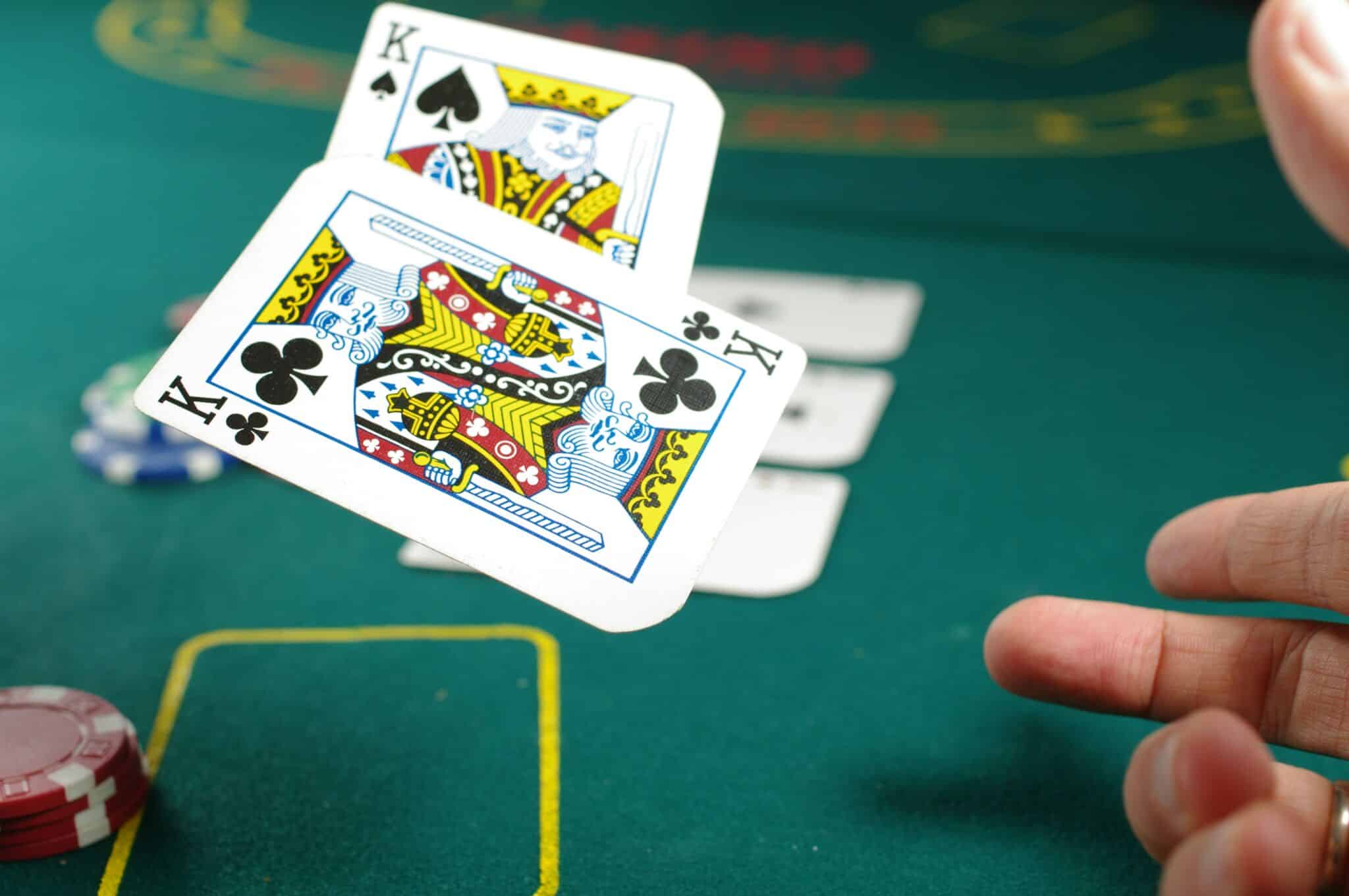
 The thing about poker is that it has been played in so many forms that you might have already lost track of what’s going on. If this is you, don’t worry, you’re not alone. There is quite a lot to bear in mind when it comes to the poker industry. A game that was once only played in physical casino spots is now not only played online but you even get demo and real money versions. This just adds even more layers to a game that is already pretty complex. It’s a game that’s based on rules and if you don’t know those rules, forget it. It’s not like slots where you just pull a digital lever and that’s it. With poker, you need to know what you’re doing. And although no amount of skill or knowledge can defeat the fact that it is and always will be a game based on luck and chance, it is worth understanding the game a bit more.
The main focus here is understanding why real money online poker games draw in so many players. What is it about these games specifically that seems to resonate with the masses? Well, it’s definitely not only one thing but rather a mixture of a few things. Think you’re ready to learn? Excellent, it’s time to dive in.
The Balance Between Skill And Chance
Now, whilst it was mentioned above that this game is always based on luck, it does help to have some skill or knowledge of the game, that’s for sure. One of the biggest draws of real money online poker is, therefore, the balance it strikes between skill and luck. Unlike games that rely entirely on random outcomes, poker rewards decision-making over time. Short-term results can swing wildly but long-term performance is shaped by how well you read situations, manage risk and adapt to opponents.
Accessibility Without Losing Depth
Online poker is easy to access but difficult to master. Anyone can sit at a table within minutes but improving takes time and focus. This accessibility lowers the barrier to entry while still offering depth for those who want to learn. This is what makes poker sites popular over others because the access is just so ripe with information and immersive experiences. Several further factors make online poker approachable:
- Games are available at all stakes levels
- Rules are consistent across most formats
- Tutorials and practice modes are widely available
At the same time, strategy evolves constantly. Player pools change, trends shift and styles adapt. This prevents the game from feeling boring, even if you’re an experienced player.
The Appeal Of Playing Against Real People
Unlike many online casino games, poker is played against other players rather than the house. That changes the experience entirely. Wins and losses feel personal because they are shaped by human decisions. Reading betting patterns, spotting mistakes and adjusting strategy adds a social and psychological layer that many find compelling. Online play removes physical tells but replaces them with timing, bet sizing and long-term behavior.
Flexible Time Commitment is Key
Real money online poker fits easily into different lifestyles. Sessions can last minutes or hours, depending on preference. There is no requirement to commit to long blocks of time unless you choose to. This flexibility might be appealing to you if you want to have more control over how long you play. Perhaps you just want to jump in for a quick round or maybe you want to play for a few hours at a time. Online poker games give you the control to determine this on your own.
The Learning Curve And Personal Progress
Online poker offers visible feedback. Hand histories, statistics and tracking tools allow players to review performance and spot patterns. Progress feels measurable, which appeals to people who enjoy learning and self-improvement. You might find motivation in improving decision-making over time and adjusting strategies based on results. This ongoing learning process turns poker into more than just entertainment. It becomes a skill-based activity with room for growth for you.
Social Interaction Without Pressure
While online poker is not face-to-face, it still offers social elements. Chat functions, recurring opponents and community forums create a sense of shared space. At the same time, the distance of online play reduces social pressure. This balance suits players who enjoy competition but prefer controlled interaction. There is engagement without obligation and anonymity without isolation.
Stakes That Feel Meaningful But Manageable
Playing for real money adds weight to decisions. Even small stakes can feel meaningful because something tangible is on the line. That sense of consequence sharpens focus and makes gameplay more engaging. At the same time, online poker offers low-stakes options that keep risk manageable. Players can choose levels that align with comfort and budget. This flexibility allows real money play without forcing high-risk decisions.
Variety In Formats And Styles
Online poker is not a single experience. Different game types cater to different preferences. Some formats emphasize patience while others reward aggression and speed. This variety helps keep players interested over long periods.
Common formats include:
- Texas Hold’em and Omaha for strategic depth
- Fast-fold games for quick decision-making
- Tournament structures for long-term planning
Having multiple ways to play allows players to shift styles based on mood and goals.
A Neutral Space Between Gaming And Gambling
The draw of online poker is not about guaranteed outcomes or constant excitement. It is about engagement, decision-making and the challenge of navigating uncertainty.