


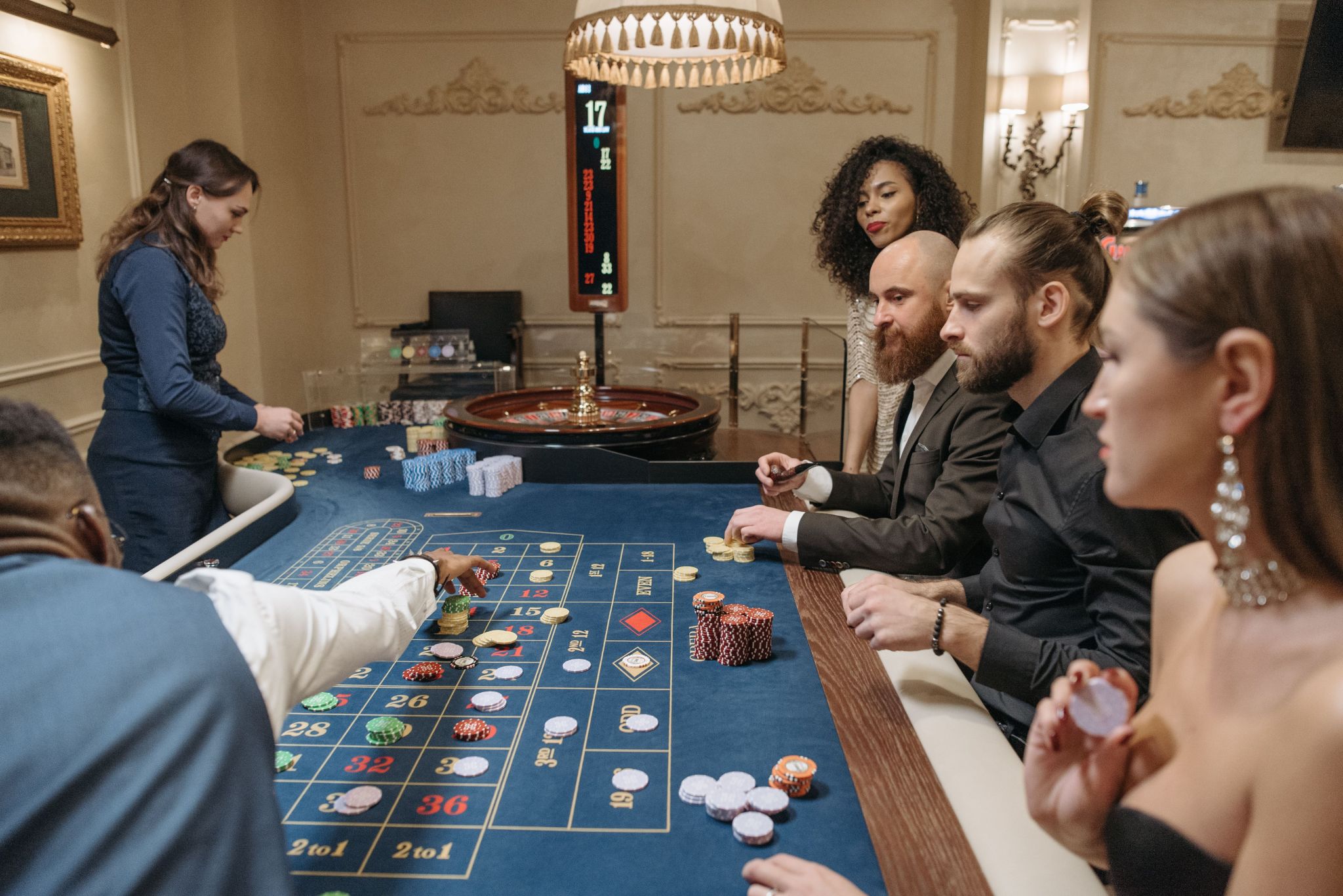
The casino gaming industry is no longer limited to platforms where players use real money. A different model has gained ground over the years, letting people enjoy casino-style games without necessarily gambling real money. These platforms are commonly known as social casinos. They borrow familiar elements from traditional casino games but place greater emphasis on virtual currencies.
You’ve probably come across a mobile game that lets you play slots or poker with virtual coins. Some of these games also let users connect with friends, join tournaments or join online communities. And in a typical social casino, virtual coins cannot be exchanged for cash prizes. This is actually one reason social casinos online are gaining traction.
According to Mordor Intelligence, the market was valued at approximately $8.36 billion in 2025 and is projected to reach $13.49 billion by 2031. Although estimates vary between research firms because of differences in market definitions, they point to a sizeable industry with international reach. But is this growth driven by the genre’s format alone, or are other factors influencing it?
Mobile gaming is opening doors to new markets
You know how people use smartphones nowadays. In fact, when they want to go online, they most often reach for their phones rather than turn on a computer. And that is usually regardless of whether someone wants to catch up on football news or just spend a few minutes online. Data Reportal agrees, suggesting that over 96% of the world’s internet users go online on a mobile device at least some of the time.
It’s the reason these devices account for the largest share of the world’s web traffic. As such, it’s reasonable to assume that people who already do most of their online activities on smartphones may find it easier to access social casino games on these devices. They may not need to sit at a computer or visit a physical casino to enjoy this type of entertainment. Of course, that doesn’t mean desktops are no longer relevant. They still are, but a mobile app is often enough to get started.
In response, social casinos have created mobile-friendly experiences to stay relevant. Thanks to responsive design, operators can create layouts that adjust automatically to different screen sizes. This means a game can still fit comfortably on a smaller phone without forcing users to zoom in or scroll from side to side.
The controls also need to be easy to operate through touchscreens. If you design a game primarily for desktop, it may not offer the same experience when someone tries to use it on a mobile device. And that might not work well, especially now that many internet users expect mobile platforms to work as well as, or even better than their desktop counterparts. That’s why forward-thinking casinos seeking long-term survival must now consider how they design for mobile use.
Localization goes deeper than translation
Suppose a casino is targeting a Latin American country, for instance. Of course, they want to present their offerings in the country’s local language so they don’t feel foreign. And that can actually be beneficial. Real localization starts with how people play. Which games do they enjoy, and how do they like to spend their time online?
An operator entering a new market might find that card games have a bigger following than slots. Somewhere else, bingo could be the game everyone already knows. Offer only cards to a crowd that wants slot-style play and the connection may never actually happen.
There is also the issue of cultural references. Since these platforms may feature themed games, it can help when those themes align with local cultures. Think of it as an operator presenting a Chinese New Year-themed slot to a Chinese player. Chinese New Year is a spring celebration centered on family reunions, lion dances, fireworks, and red envelopes.
Integrating the event’s themes into a game can make gambling feel familiar, which may strengthen engagement. But operators need to understand the cultural significance of these references before incorporating them into their games.
Rules and the shape of the model
Social casinos in their classic form run on virtual currency with no cash prizes, so they sit outside gambling licensing in many places. Sweepstakes-style variants add a prize element, and that brings closer scrutiny. But regulations vary, so platforms must adapt their offerings to local laws.
In the UK and Europe, a sweepstakes casino offering real money prizes needs a gambling license. Elsewhere, the picture can look quite different. Fortunately, many social casinos know this and are working to match each region’s requirements, which lets them operate in those markets far more smoothly and sidestep needless legal trouble.
Following local rules can also build user trust. At the very least, it shows an operator knows the regulations covering its activities and is happy to work within them. That matters because players don’t always see how a social casino differs from a conventional online gambling platform. But a clear, plain explanation can go a long way toward clearing up that confusion.