

Sports fans compete with each other almost by reflex. Give a group of supporters a schedule, a whiteboard and a free afternoon, and within minutes someone has started a fantasy league, a bracket challenge or a running argument about who called last season’s playoff upset first. The habit says a lot about how fandom works as a social identity, and psychologists have been measuring it for half a century.
Basking in a win you had nothing to do with
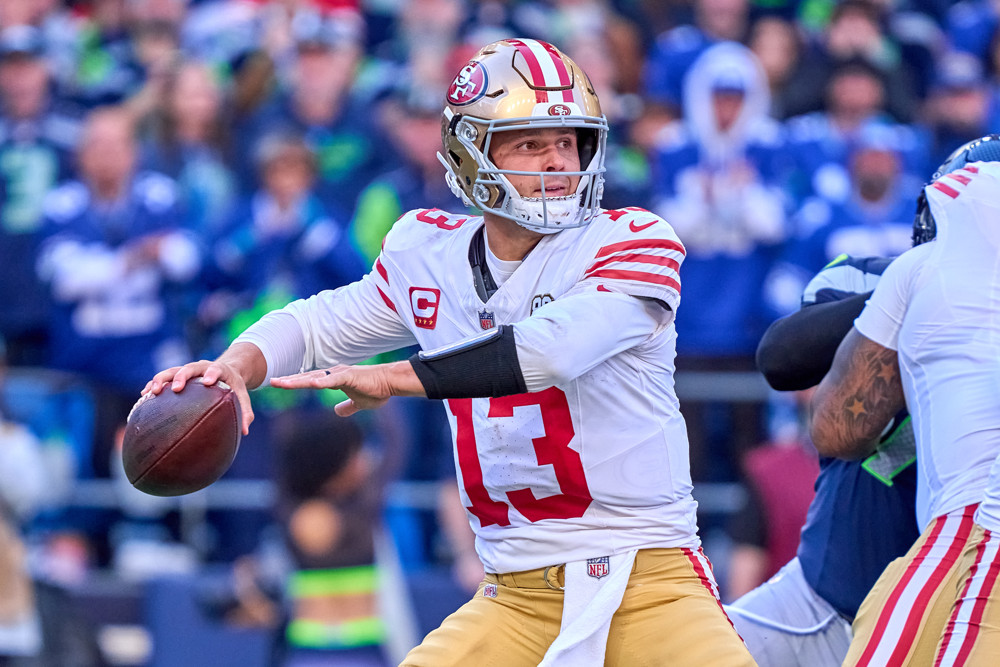
The classic study came out of American college football in the 1970s. Robert Cialdini and colleagues noticed that students were more likely to wear school-identifying clothing after their football team won than after it lost. In follow-up experiments, students described victories with “we” and defeats with “they.” The researchers called this basking in reflected glory, and the effect appeared even though the students had played no part in the result.
That small finding explains a lot. A fan’s team is a piece of personal identity, so its wins and losses feel like the fan’s own. A 1992 study led by Edward Hirt went further. It found that highly identified basketball fans who watched their team win rated their own abilities and self-esteem higher than fans who watched a loss.
Why watching is never quite enough
If a team’s result can lift your mood, it makes sense to want a result that belongs to you alone. Watching gives a fan no control at all. A personal contest, even a tiny one, adds a scoreboard where the fan is the competitor.
That is the appeal of predictions.
A fan who calls an underdog upset before kickoff, then turns out to be right, earns something no jersey can supply: proof of knowledge. Research by Daniel Wann at Murray State University, summarized by the Association for Psychological Science, linked stronger team identification with lower loneliness and higher collective self-esteem, and found that about 95 percent of fans attend games with friends. Fandom is social, and so is the urge to keep score against those friends. That summary also describes Wann’s finding that fans rated the supporters of rival teams as behaving worse than their own, a textbook case of in-group bias.
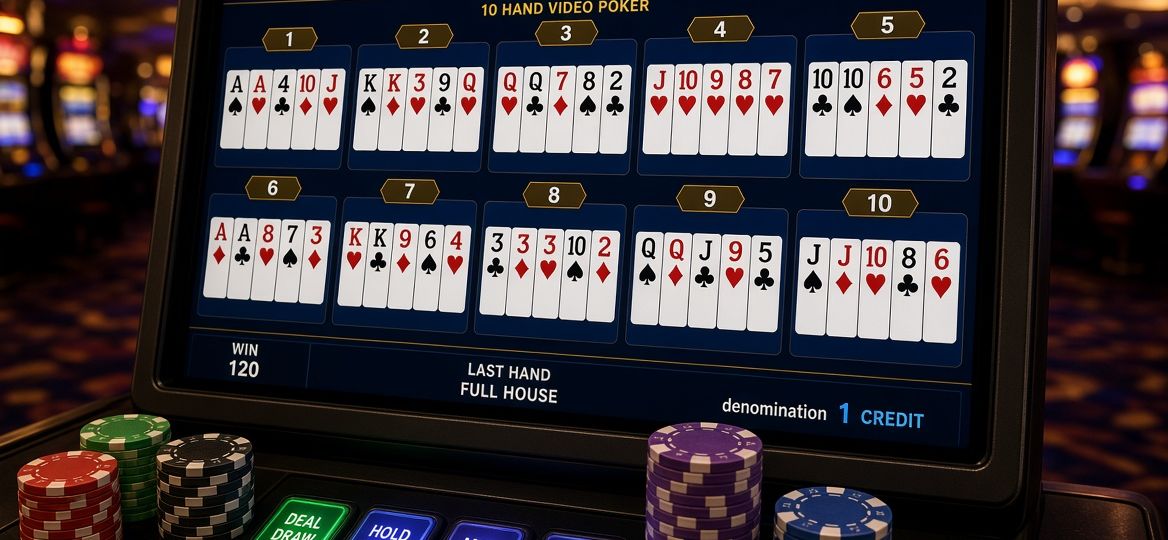
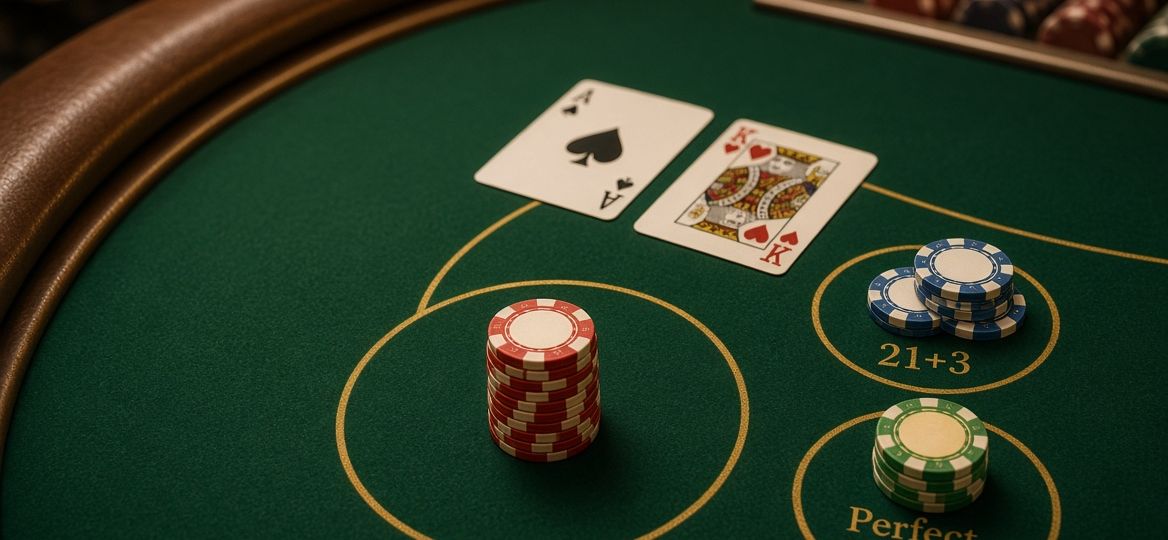
The same competitive streak shows up in social gaming, where many people enjoy a scoreboard more than a spectator seat. A sweepstakes casino built around free play and prize redemption draws on that instinct, offering a quick personal contest that fits between quarters or during a long halftime show. The appeal echoes what Cialdini spotted decades ago: people want a result they can call their own, and a short game with a clear outcome supplies one in minutes.
Fantasy leagues, bracket challenges and the office whiteboard
Fantasy sports turned that urge into a structure. Instead of following one team, a manager drafts players from across the league and lives or dies by box scores from games they might never watch. The format multiplies the number of results a fan cares about on any given Sunday, and it creates a season-long rivalry with coworkers, college roommates or in-laws. It also scrambles loyalties: a manager who drafted a running back from a hated rival suddenly has a reason to cheer when he scores against the home team, which makes for some very confused living rooms.
The format keeps evolving. Guillotine leagues, where the lowest-scoring team each week is eliminated and its roster released to the others, add a survival game on top of the usual one. This site’s own fantasy football show ran one and explained the format in an episode recapping the draft and the rules.
The bragging rights economy
For most fan contests, the real prize is status. A March bracket challenge in an office often offers nothing more than a trophy, a lunch or the right to set the group chat’s profile picture for a year. Even so, participants research seedings, argue about 12 over 5 upsets, study injury reports and defend their picks with a seriousness normally reserved for work.
Social comparison theory explains why. People judge their own abilities by measuring themselves against others, especially others who seem similar. A fantasy league among friends is a ready-made comparison group with an objective scoreboard and a weekly update. Win, and your knowledge is confirmed in public. Lose, and the next week offers a chance to recover. That weekly reset is part of the design: no single bad result is final, so the contest keeps everyone engaged until the last game of the season.
When the competition stops being fun
Competition among fans is mostly healthy, but it carries a cost when it crowds out the original pleasure of watching. Fantasy football has its defenders here too. Sarah Paper, a psychologist at Allina Health, has praised it for building connections that can push back against loneliness, while advising players to step away when a league brings more frustration than enjoyment.
The research supports both sides. The original 1976 paper by Cialdini’s team, published in the Journal of Personality and Social Psychology, argued that fans link themselves to winners to polish their public image, and its abstract in Germany’s sport science database shows the behavior was strongest when that image felt threatened. The identity that makes a win feel personal makes a loss feel personal too.
Why the scoreboard follows fans home
Sports give fans a ready supply of results, rivalries and numbers, and fans are people who already tie part of their identity to those results. Turning the next game, the next draft or the next tournament into a personal contest is the natural extension of that bond. It lets a spectator stop waiting on someone else’s performance and start keeping a score of their own, preferably one their friends can see.