


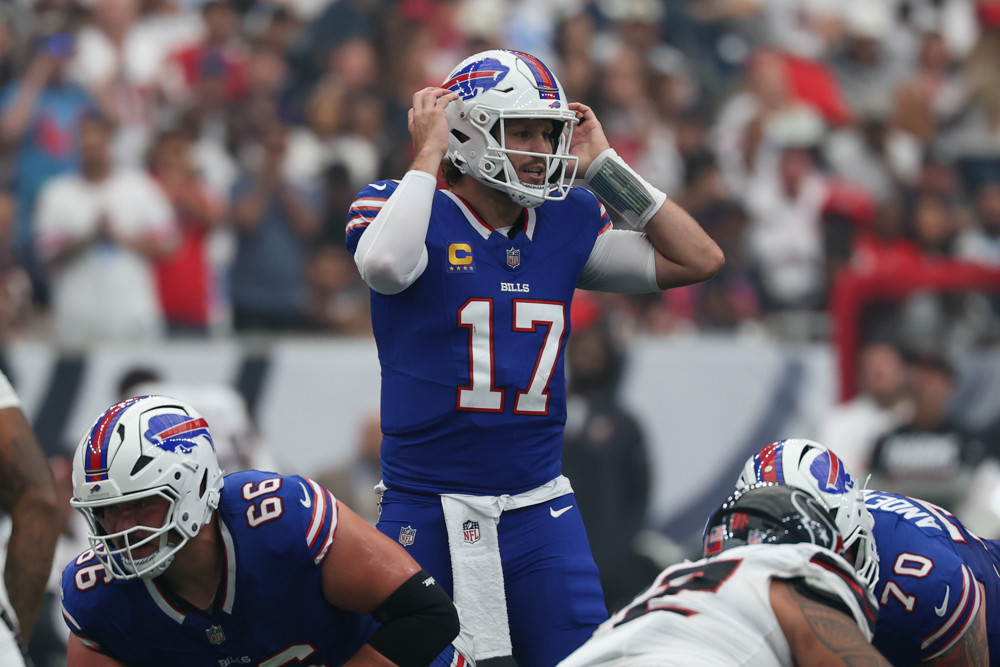
Sports betting has become closely connected with the way people consume sports content. Fans follow games through websites, podcasts, social media, news platforms and betting-focused publications, often moving between several types of content during the same session.
For betting brands, this creates plenty of opportunities to reach potential customers. The challenge is making advertising feel relevant instead of interruptive.
One approach that can help is native advertising.
Native advertising places promotional content within an environment where people are already consuming related editorial or entertainment content. Rather than relying solely on traditional banner placements, brands can create ads that fit more naturally into the page and the interests of its audience.
What Is Native Advertising?
Native advertising is a form of paid advertising designed to match the format and context of the platform where it appears.
For example, a sports fan reading an article about an upcoming NFL game might see a recommended article from a betting brand alongside other content on the page. The advertisement is still identified as sponsored content, but its presentation is more closely connected to the surrounding material.
This is different from a traditional display banner, which typically occupies a dedicated advertising space and uses a more obvious promotional format.
The broader concept is explained in more detail in this native advertising guide, but the main idea is simple: the advertising format should make sense within the environment where it appears.
Why Native Advertising Fits Sports Betting
Sports betting is particularly suited to content-driven advertising because bettors already consume large amounts of information before and during sporting events.
They may read previews, check team statistics, follow injury reports, listen to podcasts or look at predictions before deciding what to bet on.
That creates opportunities for betting brands to present useful content at points where the audience is already engaged.
A sportsbook, for example, could promote an article about factors to consider before betting on an NFL game. A casino brand could promote educational content about responsible bankroll management. A sports betting platform might promote analysis of betting markets or explain how odds work.
The promotional message becomes part of a broader content experience rather than simply asking the reader to click a banner.
Relevance Matters More Than Simply Getting Seen
Getting an advertisement in front of a large audience does not automatically make a campaign successful.
For sports betting advertisers, relevance is particularly important.
An advertisement appearing on a page about football is likely to make more sense to a sports betting audience than the same advertisement appearing on an unrelated website. The same principle applies to the content itself.
A headline about NFL betting markets may attract more attention from football fans than a generic headline about an online sportsbook.
This doesn’t mean every native advertisement needs to be heavily focused on betting. Instead, the subject should provide a logical connection between the publisher’s audience and the advertiser’s offer.
Creating Native Ads That Feel Natural
There are several elements that can make native advertising more effective for sports betting campaigns.
Start With the Audience
Before creating an advertisement, brands should consider who will see it.
A campaign targeting NBA fans can use different subjects, references and content angles from one aimed at horse racing or football bettors.
Understanding the audience helps advertisers choose topics that people are actually interested in reading.
Focus on the Headline
The headline is one of the first things a reader notices.
Instead of making every headline a direct sales pitch, advertisers can use informative or curiosity-driven approaches. For example, a headline explaining how betting odds work may encourage a click more naturally than a headline that simply tells readers to sign up.
The headline should still accurately represent the content behind the advertisement. A strong click-through rate is not particularly useful if readers immediately leave because the landing page doesn’t match their expectations.
Match the Creative to the Placement
Images also play a role in making native advertising fit its surroundings.
A sports-related image can make sense on a sports publication, while an unrelated stock image can make the advertisement feel disconnected.
The goal isn’t to disguise the fact that an advertisement is paid content. It is to make the creative relevant to the context in which it appears.
Native Advertising vs. Traditional Display Ads
Native advertising and display advertising can both have a place in a sports betting marketing strategy.
Display ads are often useful when a brand wants a prominent visual presence. They can communicate a promotion, brand message or call to action quickly.
Native advertising takes a more content-focused approach. Instead of relying primarily on a banner, it can direct users toward an article, guide, analysis or other piece of content.
The two formats can also work together.
A brand could use display advertising to build awareness while using native placements to promote more detailed content. Someone who first encounters the brand through a display ad could later interact with an informative article through a native placement.
This creates multiple opportunities to engage with the same audience without relying on a single advertising format.
Measuring a Native Advertising Campaign
Like any other advertising channel, native advertising should be measured against clear objectives.
The right metrics depend on the purpose of the campaign.
For campaigns focused on generating traffic, advertisers may look at impressions, clicks and click-through rate. If the goal is lead generation or customer acquisition, conversion rate and cost per acquisition become more relevant.
Engagement can also provide useful information. If people click on an article but leave almost immediately, the problem may not be the advertisement itself. The landing page or content may simply not meet the expectations created by the headline.
Tracking several stages of the user journey gives advertisers a clearer picture of what is actually happening after someone sees an ad.
Common Mistakes to Avoid
One of the biggest mistakes is treating native advertising exactly like a traditional banner campaign.
A banner can communicate a promotional message almost instantly. Native content generally needs to give the reader a reason to continue.
Another mistake is choosing placements based solely on traffic numbers. A website can have a large audience without having the right audience for a particular betting campaign.
Advertisers should also avoid exaggerated headlines and content that doesn’t deliver what the advertisement promises. Short-term clicks are less valuable if they result in poor engagement or low conversions.
Finally, gambling advertising needs to follow the applicable laws, regulations and platform requirements in the markets being targeted. Age restrictions, responsible gambling messaging and advertising rules can vary between jurisdictions, so campaigns should be reviewed before launch.
Building a More Relevant Advertising Strategy
Sports betting audiences are already surrounded by information. They follow games, compare statistics, read opinions and look for insights that can help them make informed betting decisions.
That makes relevance particularly important for advertisers.
Native advertising provides one way for brands to become part of that content environment while still clearly presenting themselves as advertisers. When the placement, topic and audience are aligned, the advertisement can provide a more useful experience than an unrelated promotional message.
For sports betting brands, the strongest campaigns don’t have to choose between advertising and content. They can use both, creating informative material that gives audiences a reason to engage while supporting broader marketing objectives.
As sports media continues to expand across websites, podcasts, social platforms and other channels, advertisers have more opportunities to connect with sports audiences. Native advertising can be one of the tools brands use to make those connections more relevant and content-focused.