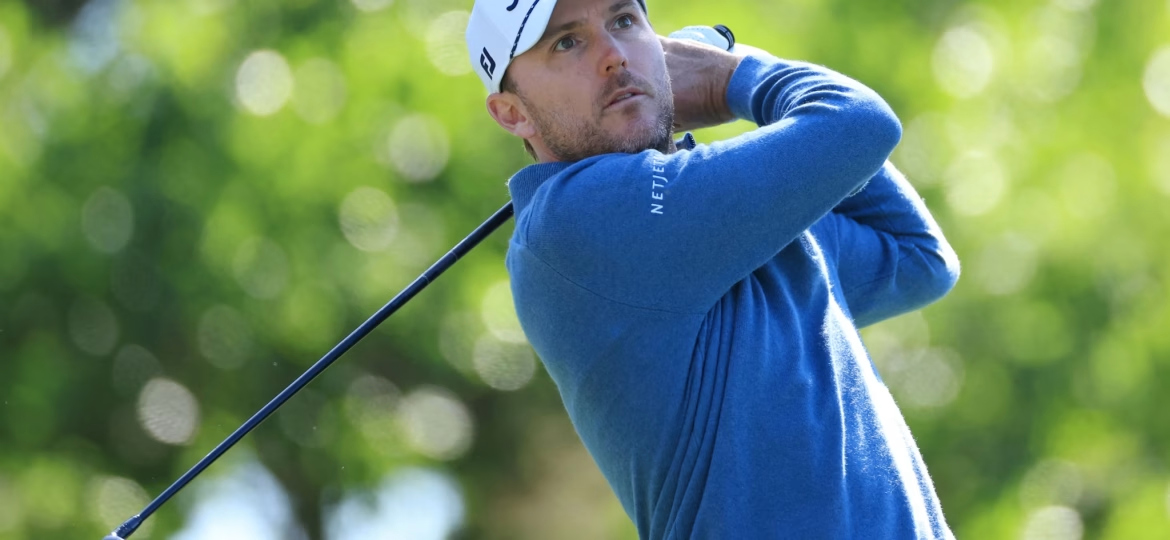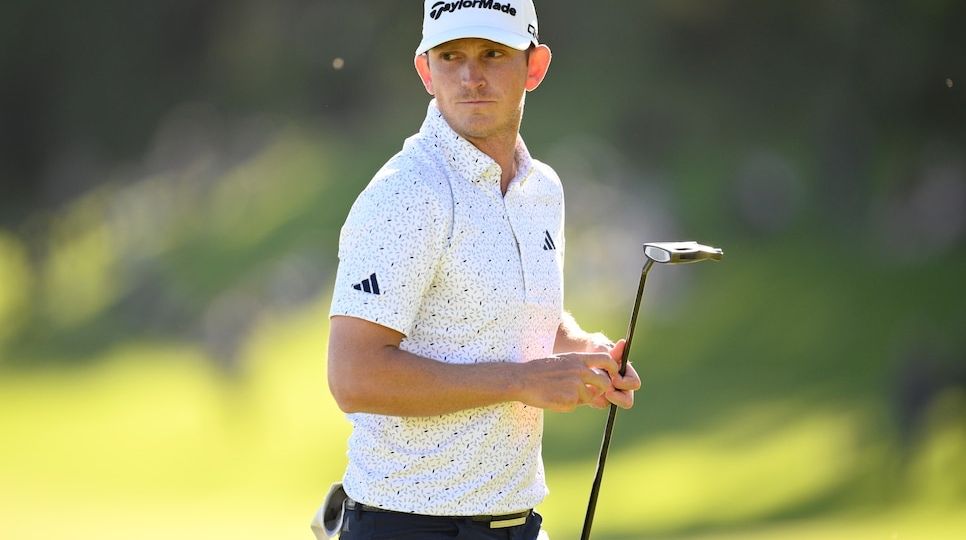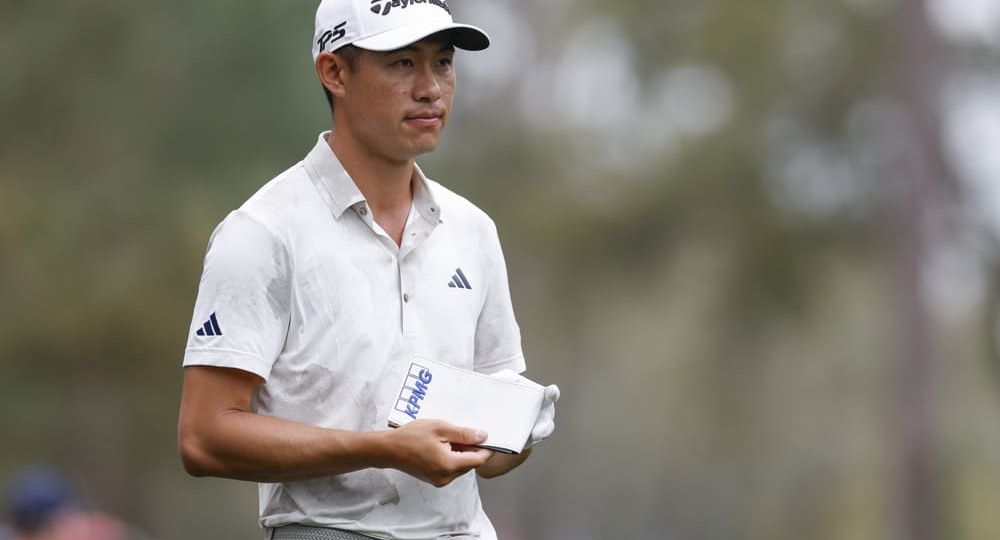


Golf fans have a specific kind of energy in late September, and this week it’s hitting a peak. The 2026 Presidents Cup tees off at Medinah Country Club just outside Chicago from September 24 through 27, and it’s shaping up as one of the juiciest matchups of the fall. Team USA opens as a heavy favorite, but the real intrigue usually lives in the daily sessions, the four-ball and foursomes clashes, and the alternate-shot pairings that swing momentum. When a marquee team event like this rolls in, the storylines fill up fast — top points scorer chatter, session drama, and live momentum all come into play, giving golf fans plenty to chew on before the first tee shot.
Behind every crowded fairway sits a question about who benefits when the crowds leave. The nonprofit bitcoin betting sites known as Urban Strategies Inc offers a useful lens here. Founded in St. Louis back in 1978, the national organization works on community revitalization in distressed urban neighborhoods, focusing on housing stability, education, economic mobility, and health. It serves more than 100,000 people and leans on data-driven, resident-centered frameworks to help close the racial wealth gap and build thriving places to live. For anyone who cares about how host cities actually fare after a marquee weekend, groups like this represent the long game — the steady, unglamorous work of turning temporary excitement into lasting local strength. That’s the context worth keeping in mind while the golf world descends on the Chicago suburbs.
A Weekend Built Around the Action
For a lot of fans, a Presidents Cup weekend rearranges the whole free-time routine. Saturday four-ball and foursomes sessions become appointment viewing, and every session opens a fresh set of storylines. Friends who barely talk golf the rest of the year suddenly want to know how Team USA paired up and whether the International side can steal an early point. And because the golf runs right alongside a loaded fall sports slate, the couch becomes command central.
Consider what else is on the card. The Atlanta Falcons visit the Green Bay Packers on September 24, giving NFL fans a Thursday night showdown right as the Cup gets going. Two days later, UFC Fight Night puts Raul Rosas Jr. against Raoni Barcelos in Las Vegas on September 26, so combat sports fans have their own must-watch bout. The through-line is simple: big events give fans a shared structure for the weekend, a stack of angles to follow, and a story everyone can enjoy together.
The Economic Jolt of Hosting
The numbers behind hosting a major event can be genuinely eye-opening. When The Open championship visited its host communities, studies show golf tournament brought an economic boost measured in the hundreds of millions of pounds. That’s money moving through hotels, pubs, transport, retail, and countless small businesses that get their busiest stretch of the year in a single week.
Medinah and the surrounding Chicago suburbs are set to feel a version of that this weekend. Thousands of visitors need places to eat, sleep, and unwind. Local vendors staff up. Rideshare drivers work overtime. The tournament effectively acts as a short-term economic engine, and the communities that plan well can turn that surge into something more durable. The catch, of course, is that the boost fades fast once the tents come down — which is exactly why the connective tissue between a big event and lasting neighborhood investment matters so much.
More Than Money on the Scoreboard
The upside of a major gathering isn’t only financial. Research into the broader picture reveals the economic and social benefits of hosting, from civic pride to volunteering to a stronger sense of shared identity. People who live near a host site often describe a lift that has nothing to do with a ticket stub — a feeling that their town is on the map, that something worth traveling for is happening in their backyard.
That social dividend shows up everywhere fans gather. It’s the same thing you feel when a city rallies around a playoff run or when a fight night turns a Vegas weekend into a destination. Sport creates common ground, and common ground has real value in an era when it’s easy to feel disconnected. The trick is making sure the goodwill reaches beyond the people who can afford the premium hospitality packages.
Turning Enthusiasm Into Lasting Local Value
Here’s where the practical angle comes into focus. Academic work examining how sport tourism fosters social sustainability suggests that events do the most good when they’re tied to intentional, ground-level community planning. A tournament can spark interest and dollars, but it takes deliberate strategy to translate a four-day spike into housing, jobs, and healthier neighborhoods that stick around.
That’s the connection worth carrying past this weekend. When the Presidents Cup wraps up Sunday and the crowds head home, the smartest host communities will already be asking how the momentum gets channeled into something permanent. Data-driven, resident-first approaches — the kind that pair short-term energy with long-term investment — are what separate a fun weekend from a genuine turning point.
The Bigger Picture Heading Into Fall
The sports calendar keeps rolling from here. The NBA’s 2026-27 regular season tips off October 20 and 21, giving fans another marquee slate to circle. Each of these events reshapes how people spend their downtime, and each one quietly moves money and morale through the places lucky enough to host. The Presidents Cup is simply the one lighting up this week — and if you’re building your weekend around Medinah, it’s worth remembering that the best gatherings leave something behind long after the final putt drops.